




Leak Detection & Repair
Prompt Response · Lasting Repairs · Minimal Disruption
Our Approach to Leak Detection & Repair
How a Pipe Leak Happens
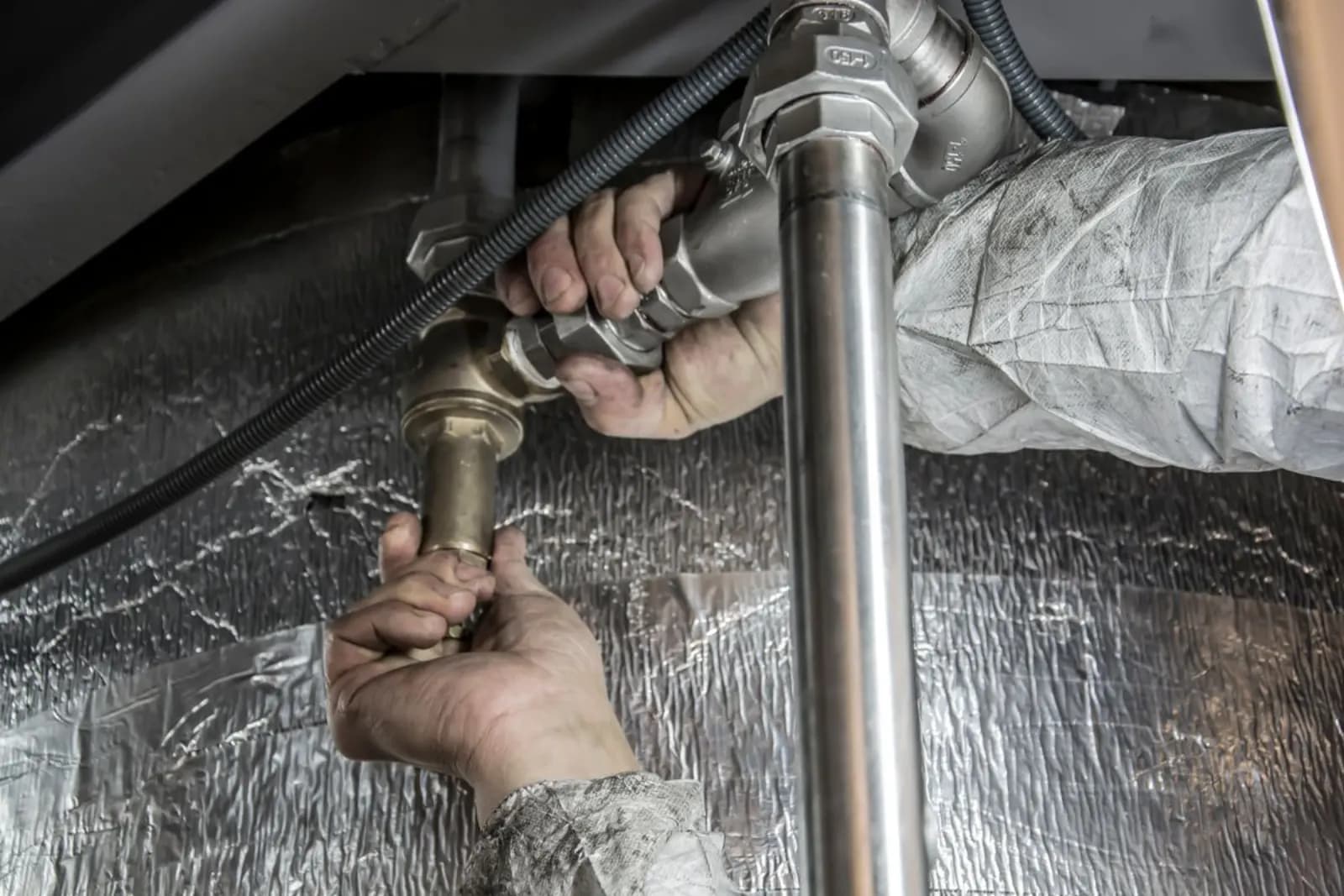
- Supply line — pressurized water inside the wall
- Shutoff valve — closing it stops flow to the leak
- Pinhole leak — sprays fast under pressure
- Water damage — spreads quickly once a line fails
Water leaks can cause significant damage if not addressed quickly. J&R Mechanical Services provides fast leak detection and repair services that stop the damage and fix the problem right the first time.
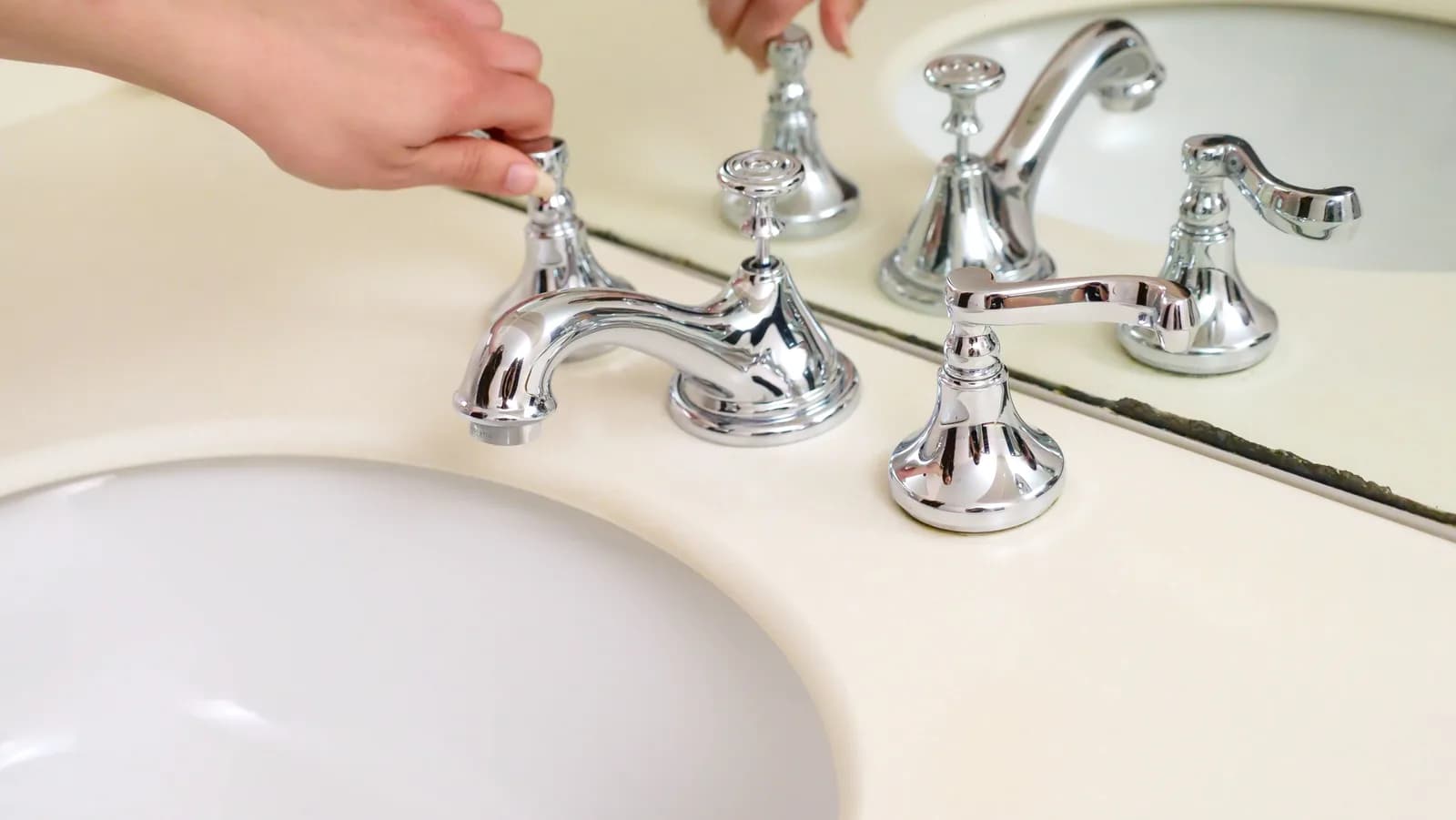
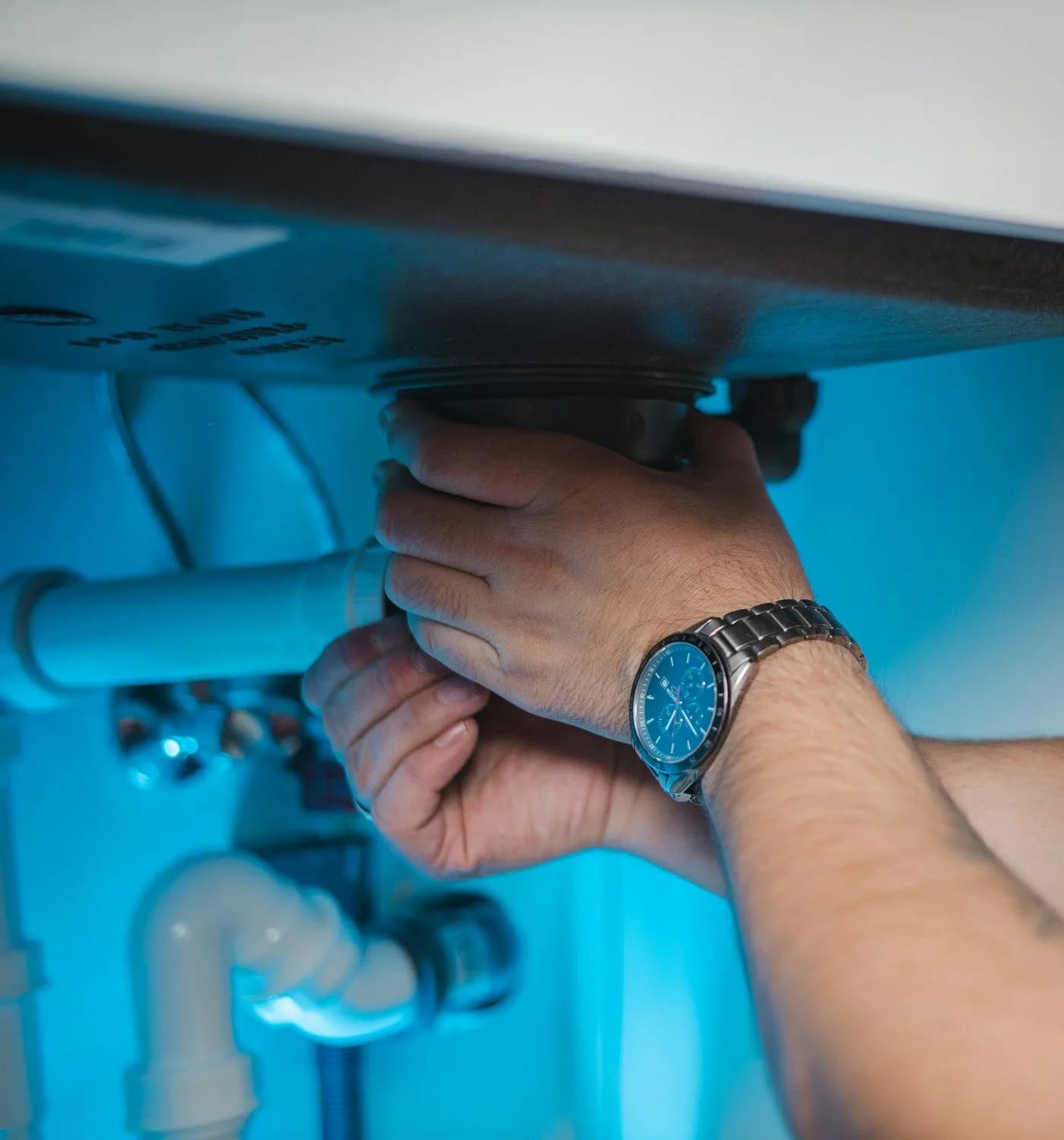
Whether it is a dripping faucet, a leaking pipe under the sink, a toilet that will not stop running, or a more serious water line issue, we locate the source of the problem accurately and make a lasting repair. If your leak involves a failing water heater, we can diagnose and address that too.
We repair copper, PEX, PVC, and galvanized piping. For older homes with failing pipe systems, we can recommend and perform partial or full repiping to prevent recurring leak issues.
Quick response matters with leaks. Water damage gets worse by the hour and can lead to mold, structural damage, and costly repairs. Contact us as soon as you notice a leak and we will get it handled.
How Do You Find a Hidden Leak?
Not every leak announces itself with a puddle. Hidden leaks show up as an unexplained jump in your water bill, the sound of running water when everything is off, a water meter that keeps spinning with all fixtures closed, musty odors, warm spots on a floor, or stains spreading across a ceiling or wall. Our plumbers trace leaks methodically — isolating sections of the supply system, checking fixture connections and shutoffs, and inspecting the most common failure points — so we open only what actually needs to be opened.
The person diagnosing your leak is not working against a sales quota. If the fix is an inexpensive fill valve, that is what we will tell you. Our goal on a first visit is simple: solve the problem cleanly and become the plumber you call next time.
What About Frozen and Burst Pipes in Cold Weather?
Burst pipes are the most damaging leak a home can have — a single split supply line can release hundreds of gallons in an hour. Pipes in exterior walls, crawl spaces, garages, and unheated basements are the usual victims when temperatures drop below zero. If a pipe bursts, shut off the main water valve immediately (usually near the water meter or where the line enters the house), open faucets to relieve pressure, and call us.
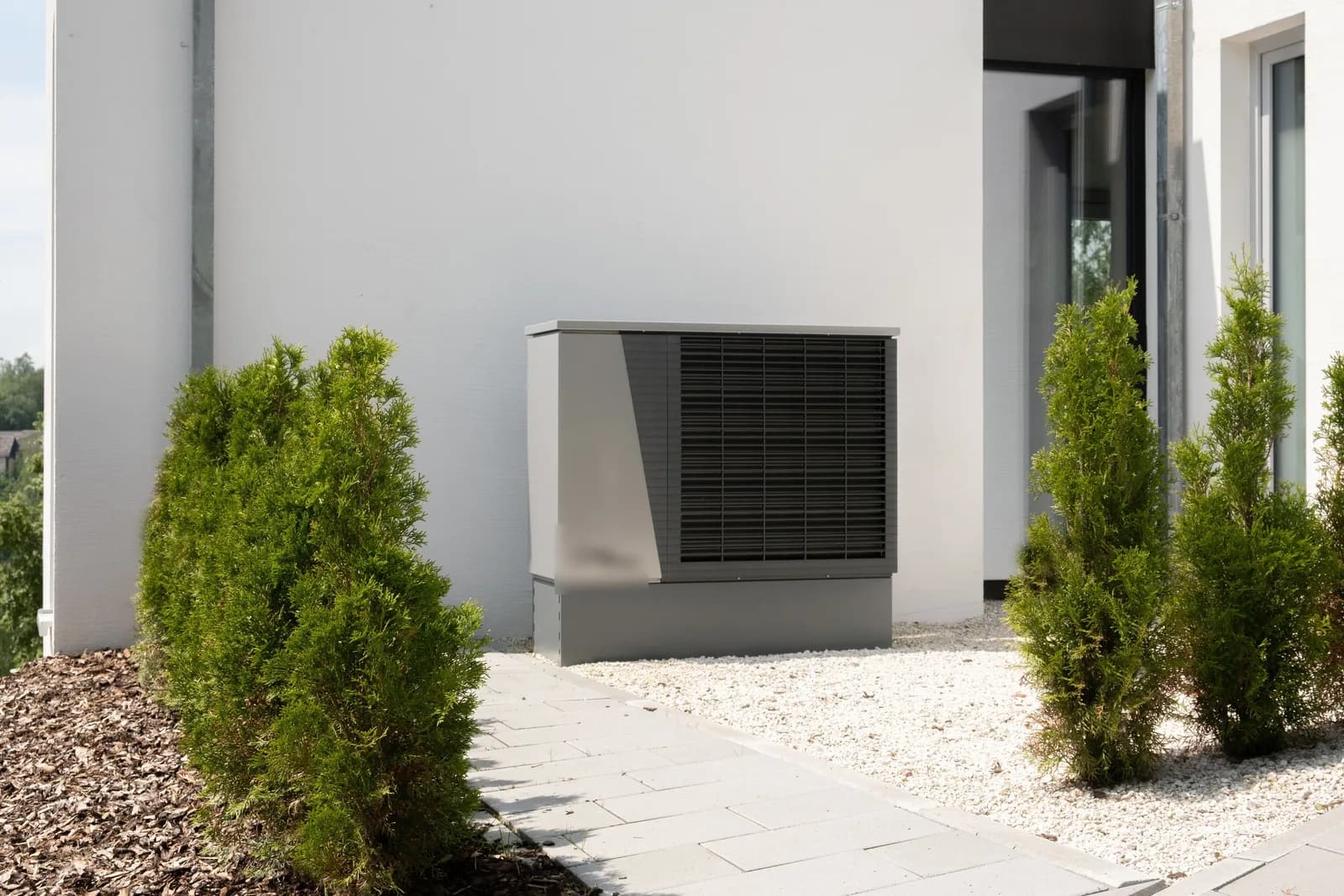
After the repair, we will show you what caused the failure and what prevents the next one — pipe insulation, rerouting vulnerable runs, or heat tape where appropriate. Homes heated primarily by heat pumps or with reduced-temperature zones are especially worth a freeze-risk check.
Finding and Documenting a Plumbing Leak
Some leaks are obvious: a puddle, a stain, a running sound. Others hide inside walls or under floors for months, showing up only as a strange water bill. This guide covers how to confirm a hidden leak with your water meter, where leaks most often start, a simple dye test for a running toilet, how to keep pipes from freezing during a Maine winter, and what homeowners insurance typically wants documented if you end up filing a claim.
The Water Meter Leak Test
If you suspect a hidden leak but cannot find it, your water meter can confirm one exists before you start opening walls. The test is simple and free.
- Make sure no water is running anywhere in the house: no dishwasher, washing machine, ice maker, or irrigation system
- Find your water meter, often in the basement, a utility closet, or a pit near the street, and note the reading (or the position of the small leak-indicator dial, if your meter has one)
- Wait two hours without using any water
- Check the meter again. If the reading changed at all, or the leak indicator moved, water is going somewhere
How Much a Small Leak Actually Wastes
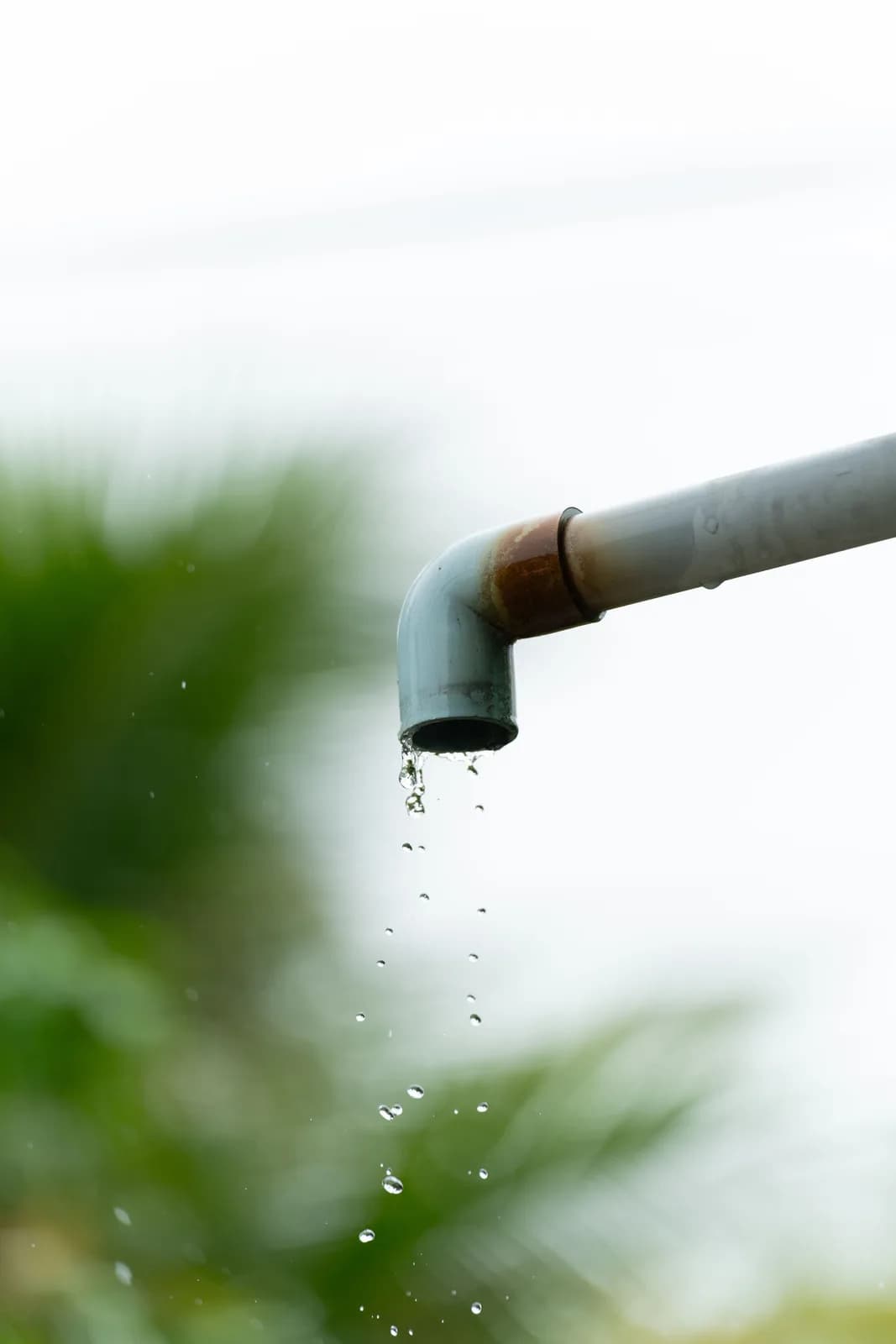
The EPA estimates that household leaks waste more than 9,300 gallons of water per year in the average home, and that roughly 1 in 10 homes has a leak wasting 50 gallons or more per day. A faucet dripping once per second wastes over 3,000 gallons a year on its own; a showerhead leaking at 10 drips a minute wastes more than 500 gallons a year. Either one can run for months without anyone noticing, since neither shows up as a puddle.
The meter test only tells you that a leak exists somewhere between the meter and your fixtures, not where. From there, narrowing it down usually means shutting off individual sections, such as the main valve to a specific bathroom or the irrigation system, and repeating the test to see whether the meter goes quiet.
Where Leaks Most Often Start
| Location | Typical cause | Warning sign |
|---|---|---|
| Toilet fill or flush valve | Worn flapper or fill valve lets water trickle from tank to bowl | Toilet runs intermittently, or a dye test shows color in the bowl without flushing |
| Under-sink supply lines and shutoffs | Old compression fittings, corroded valves, or a cracked braided line | Dampness or staining inside the cabinet |
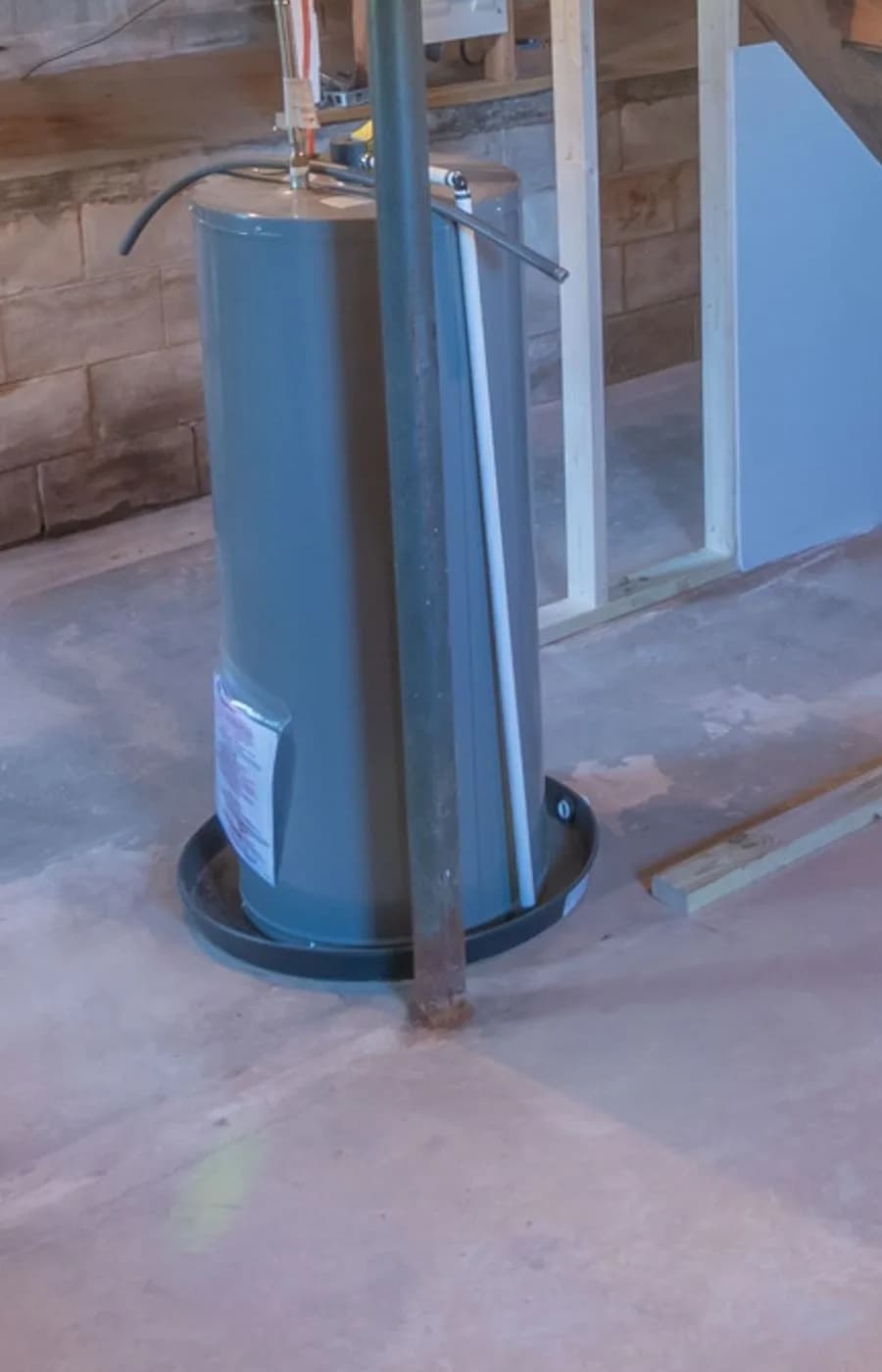
| Water heater tank and fittings | Tank corrosion from the inside out, or a loose fitting | Water pooling at the base, or a rising water bill with no other obvious cause |
| Exterior hose bibs | Freeze damage to the internal valve stem | Dripping when the hose is disconnected, or a wet spot on an interior wall near the fixture |
| Slab or under-floor supply lines | Pinhole corrosion or a poor original connection | A warm spot on the floor, an unexplained rise in the water bill, or the sound of running water with every fixture off |
| Washing machine hoses | Rubber hoses degrade over years under constant pressure | Usually a sudden, large-volume leak rather than a slow drip |
Dye Test for a Running Toilet
A toilet that runs even occasionally is one of the most common sources of wasted water, and it is easy to check yourself. Add a few drops of food coloring or a dye tablet to the tank, not the bowl, and wait 10 to 15 minutes without flushing. If color appears in the bowl, the flapper or flush valve seal is letting tank water leak past it, and it needs to be replaced.
Frozen Pipe Prevention for Maine Winters
Pipes freeze and split when water inside them turns to ice and expands, most often in unheated or poorly insulated spaces such as attics, crawl spaces, garages, and runs along exterior walls. The Insurance Institute for Business & Home Safety (IBHS) recommends insulating pipe in these hard-to-reach areas, sealing cracks and gaps that let cold air reach them, and covering ventilated crawl space openings for the winter.
- Insulate pipe runs in attics, crawl spaces, and along exterior walls with foam pipe sleeves
- Caulk exterior gaps and add weatherstripping around doors and windows near plumbing runs
- Shut off and drain outdoor faucets that are not frost-proof before winter sets in
- Cover or seal ventilated crawl space vents during the coldest months
If a pipe does freeze, never use an open flame to thaw it. Shut off the main water valve, open the nearest faucet, and call a plumber. A frozen section may already be cracked and only reveal the leak once it thaws.
What Homeowners Insurance Typically Wants Documented
Standard homeowners policies generally cover sudden, accidental water damage, such as a pipe that bursts without warning, but often exclude damage from a leak that was allowed to continue over time or from a plumbing system that was not maintained. As a practical matter, insurers commonly ask for photos of the damage taken before any cleanup or repair begins, the date the leak was discovered, and receipts for emergency mitigation (such as a water extraction company) and any repairs performed. Keeping damaged materials until an adjuster has seen them, or at minimum photographing them thoroughly from multiple angles, helps avoid disputes later over what actually happened.
A written repair invoice that states the cause of the leak, such as a failed supply line fitting or a frozen and split pipe, is also worth keeping with your claim records. It gives the adjuster a plumber's account of what happened in addition to your own, which can matter if the timeline of the leak is ever in question.
Call your insurance agent before assuming something is or is not covered. The same leak can be treated differently depending on how long it ran and whether it was reasonably foreseeable.
Local & Independent
J&R Mechanical Services is an independent contractor — not a national franchise. Our technicians are not commissioned salespeople. We do the work you called us for, do it right, and earn the next call.
More Residential Plumbing Services
Serving Augusta & Brunswick
Leak Detection & Repair FAQs
What are the signs of a hidden water leak?
A higher-than-normal water bill, the sound of running water when fixtures are off, a spinning water meter with everything closed, musty smells, damp or warm spots on floors, and stains on ceilings or walls are all common signs of a hidden leak. If you notice any of these, have it checked promptly — leaks only get worse.
Why did my water bill suddenly spike?
A sudden spike is most often a running toilet, which can silently waste a surprising amount of water each day, or a hidden supply-line leak. An easy first check: put food coloring in the toilet tank and see if it appears in the bowl without flushing. If the toilet checks out, call a plumber to trace the leak.
What should I do first if a pipe bursts?
Shut off your main water valve right away — it is usually located where the water line enters your home or near the meter. Then open faucets to drain pressure from the lines, move belongings away from the water, and call a plumber. The faster the water is off, the less damage you will have.
Can you repair the leak or will you push a whole repipe?
We repair the leak in front of us. Our technicians are not commissioned salespeople — we only recommend repiping when a pipe system is genuinely failing in multiple places, and we will show you the evidence either way. Most leaks are a straightforward, permanent spot repair.
More Ways We Can Help
Google ReviewsService Areas
9Find your town on our service area pages, starting with…
Company
5Learn more about how we work, starting with…
Services
30Related services you may also need, such as…
Get a Quote
Request Service
Fill out the form below to request an estimate or schedule service.
“*” indicates required fields
Need it today?Call (207) 902-8899