






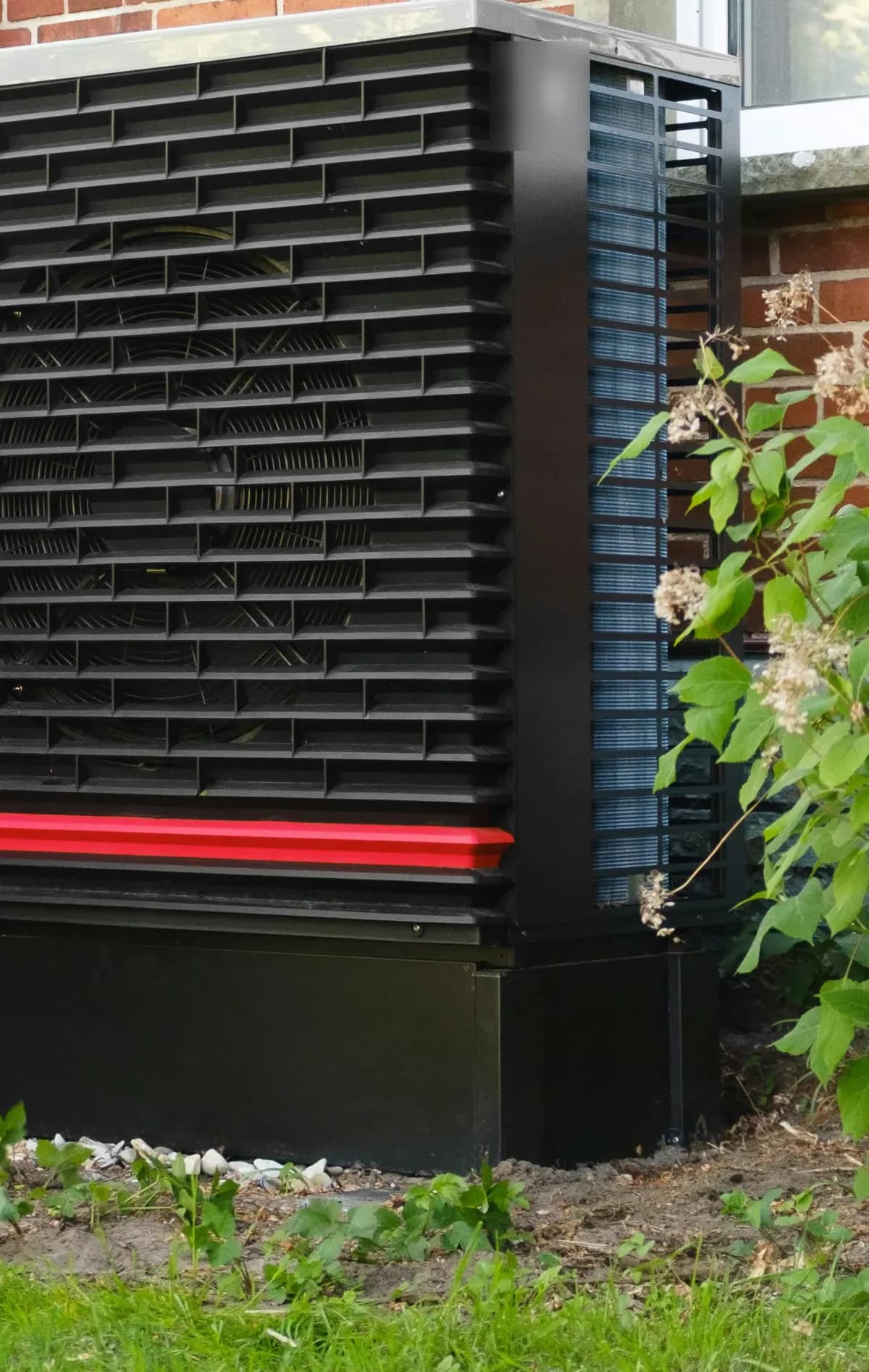
HVAC Services
Heat pumps, furnaces, boilers, and air conditioning — repaired, installed, and maintained by one crew.
Heating & Cooling, One Crew · Repair, Installation & Maintenance · Plumbing Handled In-House
Our Approach to HVAC Services
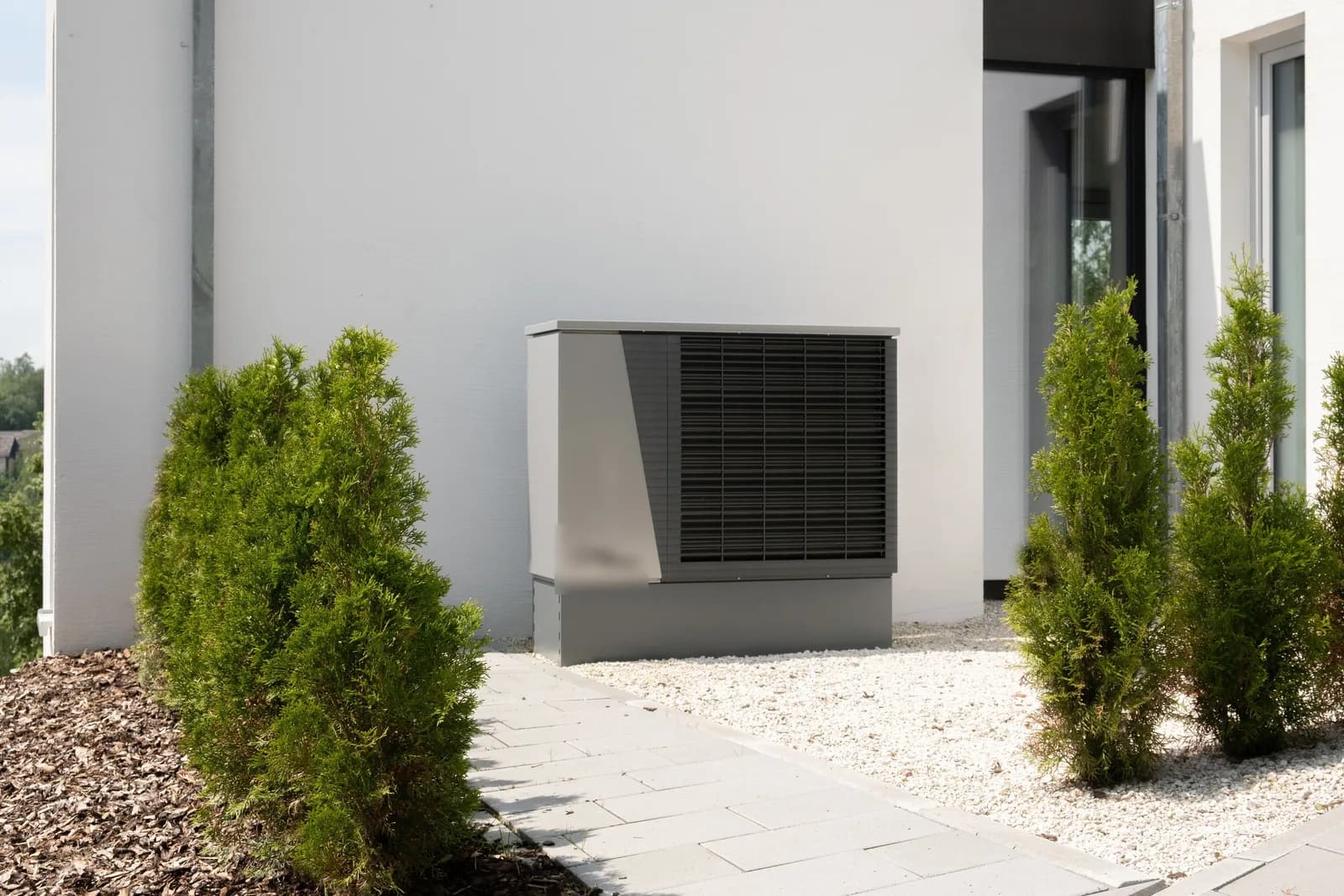
How a Heat Pump Works
- Outdoor unit — fan and compressor extract heat from outside air
- Reversing valve — switches the system between heating and cooling
- Line set — carries hot, high-pressure refrigerant indoors
- Indoor coil — releases heat into the airstream
- Warm air — the blower delivers it to the room
J&R Mechanical Services is a full-service heating and cooling company. We repair, replace, and maintain heat pumps, furnaces, boilers, and air conditioning, with a crew that also handles the plumbing side of every HVAC job.
We service every kind of heating system a home might have. Our heat pump and mini-split team installs and repairs cold-climate systems. For forced-air homes we handle furnace repair and high-efficiency furnace replacement. For hydronic homes — baseboard, radiators, and radiant floors — we provide boiler repair, annual cleanings, and boiler installation for oil, propane, and natural gas systems.
Cooling matters too. We install central and ductless air conditioning, and for most homes we recommend a heat pump that does both jobs — cooling in summer and heating in winter. Because we also hold plumbing capabilities, the gas piping and condensate work that come with new equipment can happen under one crew.
We diagnose the real problem, quote the repair before we start, and tell you honestly when replacement makes more sense than another repair.
Heating systems in Maine homes come in three basic types — heat pump, forced-air furnace, or hydronic boiler — and plenty of houses have more than one. We work on all three: cold-climate heat pump installation and repair, furnace service for ducted homes, and boiler work for baseboard, radiator, and radiant-floor heat. Whichever system is already in the house, the same crew handles the repair, the replacement, and the plumbing connections that come with it.
No two HVAC calls look quite the same — a farmhouse with an old cast-iron boiler needs a different approach than a new build running ducted heat pumps. We carry the parts and training for heat pumps and mini-splits, furnaces, and boilers, plus the air conditioning side most Maine summers eventually call for. One crew and one invoice, whether the fix is mechanical or plumbing.
Our Approach
One local, independent company for the whole HVAC system — heating, cooling, and the plumbing tied to it. No commissioned salespeople and no pressure to replace what can be fixed.
HVAC Services
Equipment We Work On
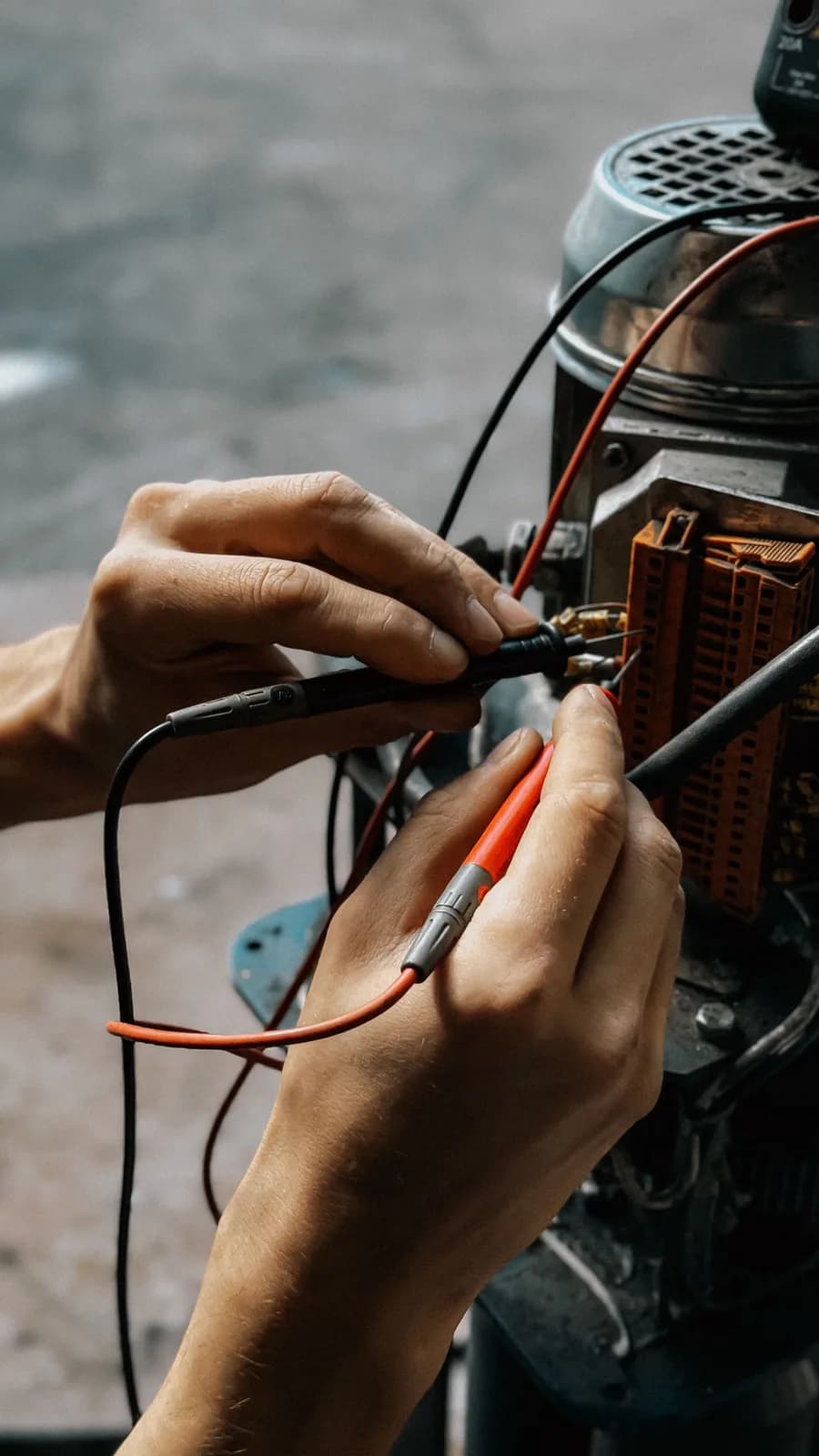
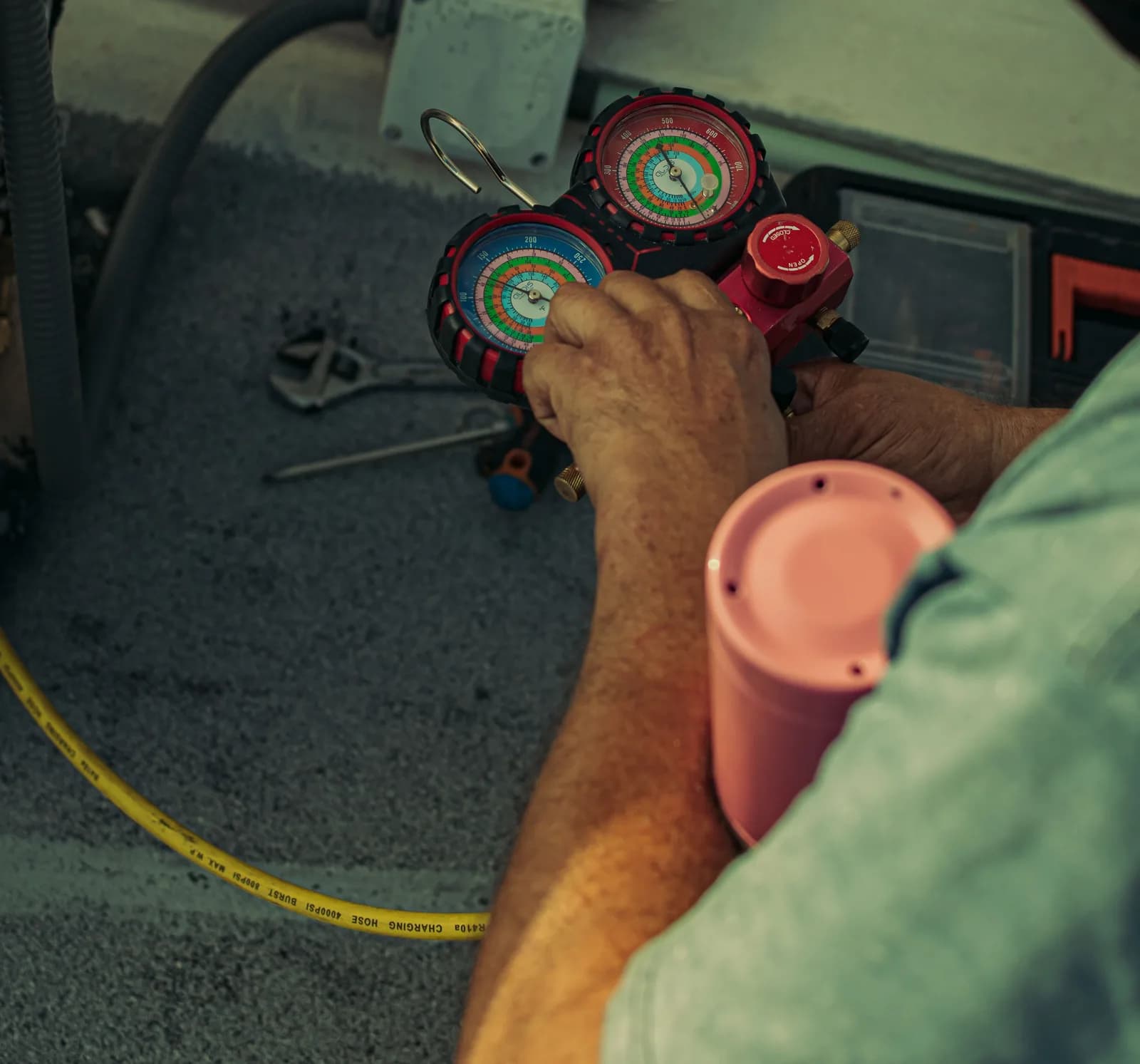
Serving Augusta & Brunswick

Efficiency Maine
Rebates & Guidance
- By the numbers
Smart thermostats trim run time
Efficiency Maine notes that smart Wi-Fi thermostats can reduce a heating system's average run time by about 8% when paired with your furnace, boiler, or heat pump.
Source: Efficiency Maine - Recommendation
Check your AFUE rating
Efficiency Maine recommends checking your boiler or furnace's AFUE efficiency rating and considering a condensing model, which extracts extra heat from combustion exhaust, to cut fuel use, even though no rebate applies to standard fossil-fuel units.
Source: Efficiency Maine - Recommendation
A heat pump can replace central AC too
Efficiency Maine doesn't have a stand-alone central air conditioning rebate; a ducted or ductless heat pump provides both heating and cooling, qualifies for the whole-home heat pump rebate, and cools for roughly half the running cost of a window air conditioner.
Source: Efficiency Maine - Rebate
Insulation rebates pair with heating upgrades
Efficiency Maine rebates insulation work at 40% of project cost up to $4,000 for any income, 60% up to $6,000 for moderate income, or 80% up to $8,000 for low income households, separate from any heating-equipment rebate.
Source: Efficiency Maine
Program details as of Sep 26, 2026. Rebate amounts and eligibility change; confirm current terms at efficiencymaine.com.
Choosing a Heating System in Maine: Costs, Ratings, and Hybrid Setups
Maine homes heat with oil, propane, natural gas, electric baseboard, or a heat pump — often more than one at a time. Each fuel has a different price per unit, a different amount of usable heat packed into that unit, and a different real-world efficiency once it's burned or moved into the living space. Comparing them fairly means putting all of them on the same footing: dollars per million British thermal units (MMBtu) of heat actually delivered to the house.
This guide walks through that comparison using the state's own fuel price survey and federal heat-content and efficiency data, explains what the efficiency numbers on an equipment label — AFUE, HSPF2, SEER2, and COP — actually measure, and covers how a hybrid setup, a heat pump paired with the boiler or furnace already in the house, divides the work between the two systems.
What Each Fuel Costs Per Million Btu Delivered
The Maine Governor's Energy Office surveys home heating fuel dealers across the state and publishes statewide average prices. As of its September 21, 2026 report, No. 2 heating oil averaged $6.02 per gallon and propane averaged $3.23 per gallon (30-day cash price, accounts using 900 or more gallons a year). The U.S. Energy Information Administration (EIA) puts Maine's residential natural gas price at $31.62 per thousand cubic feet as of June 2026, and the average Maine residential electric rate at 19.66 cents per kWh for 2024, the most recent full year on record.
None of those numbers mean much on their own, because a gallon of oil, a therm of gas, and a kilowatt-hour of electricity don't hold the same amount of heat. The EIA's standard conversion factors are 138,500 Btu per gallon of heating oil, 91,452 Btu per gallon of propane, 100,000 Btu per therm of natural gas (about 1.037 million Btu per thousand cubic feet), and 3,412 Btu per kWh of electricity. Dividing price by heat content, then dividing again by the equipment's efficiency, gives a cost per million Btu actually delivered as heat — the only fair way to compare fuels against each other.
| Fuel | Price & date | Typical efficiency | Cost per MMBtu delivered |
|---|---|---|---|
| No. 2 heating oil | $6.02/gal — Maine Governor's Energy Office, Sept. 21, 2026 | 87% AFUE (ENERGY STAR oil furnace minimum) | ≈ $50 |
| Propane | $3.23/gal — Maine Governor's Energy Office, Sept. 21, 2026 | 97% AFUE (ENERGY STAR gas/propane furnace, North region) | ≈ $36 |
| Natural gas | $31.62/Mcf — EIA Maine residential price, June 2026 | 97% AFUE (ENERGY STAR gas furnace, North region) | ≈ $31 |
| Electric baseboard (resistance) | 19.66¢/kWh — EIA Maine average retail price, 2024 | 100% (all electricity becomes heat) | ≈ $58 |
| Cold-climate heat pump | 19.66¢/kWh — EIA Maine average retail price, 2024 | Seasonal COP ≈ 2.5 (from ENERGY STAR cold-climate HSPF2 minimum) | ≈ $23 |
These are statewide averages on the dates shown, not a personal quote — your price depends on your dealer, utility, and contract, and fuel prices move throughout the heating season. The efficiency figures assume ENERGY STAR-qualified equipment; an older or poorly maintained system delivers less heat per unit of fuel, which raises its real cost per MMBtu above what's shown here.
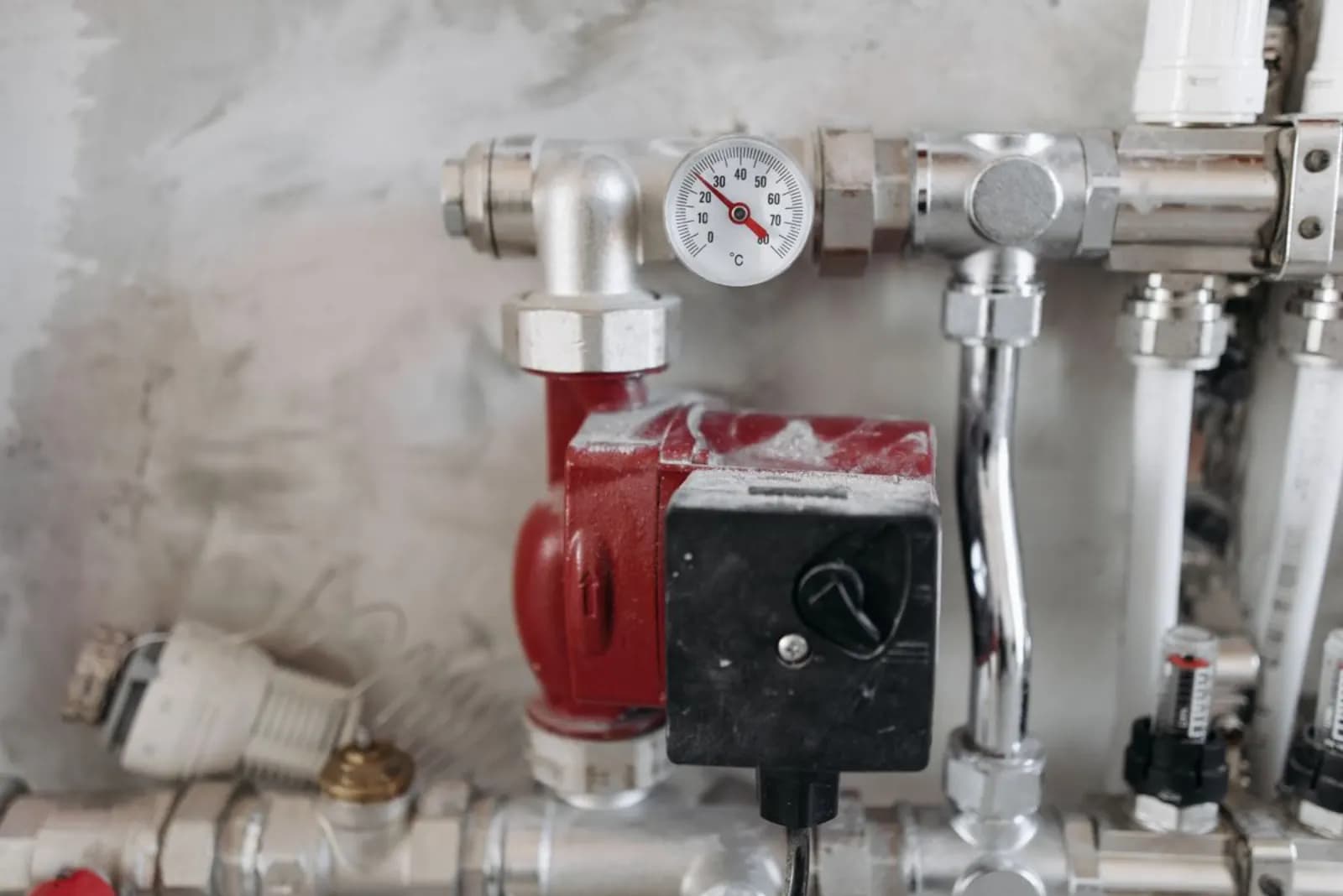
Reading the Label: AFUE, HSPF2, SEER2, and COP
Four different ratings show up on heating and cooling equipment, and they aren't interchangeable — each measures a different kind of system, under different test conditions.
AFUE (Annual Fuel Utilization Efficiency) applies to furnaces and boilers that burn fuel. It's the percentage of the fuel's heat content that ends up as usable heat over a full heating season, after chimney and cycling losses. SEER2 and HSPF2 are the current Department of Energy test-procedure versions of the older SEER and HSPF ratings for air conditioners and heat pumps; the 2023 rule behind the '2' raised the external duct static pressure used during testing to better match real installations, so a unit's SEER2 or HSPF2 number is typically a bit lower than the same equipment would have scored under the old test — it isn't a weaker system, just a more realistic one. SEER2 rates cooling efficiency over a season; HSPF2 rates a heat pump's heating efficiency over a season. COP (coefficient of performance) is the most basic of the four: at one specific outdoor temperature, it's simply the heat delivered divided by the electrical energy used to deliver it. A COP of 3 means three units of heat out for every one unit of electricity in. ENERGY STAR's cold-climate heat pump criteria require a COP of at least 1.75 at 5°F, which is the standard's way of making sure a unit still beats plain electric resistance heat even on a cold Maine morning.
| Rating | Applies to | What it measures | Typical qualified range |
|---|---|---|---|
| AFUE | Furnaces & boilers | Share of the fuel's heat content delivered as usable heat, seasonal average | 87%+ oil, 95–97%+ gas/propane (ENERGY STAR) |
| SEER2 | Central AC & heat pumps, cooling mode | Seasonal cooling output ÷ electricity used, current DOE test procedure | ≥15.2 for ENERGY STAR-certified equipment |
| HSPF2 | Heat pumps, heating mode | Seasonal heating output ÷ electricity used, current DOE test procedure | ≥7.8 standard, ≥8.1–8.5 cold-climate (ENERGY STAR) |
| COP | Heat pumps and other electric heat sources | Heat delivered ÷ electricity used, at one specific outdoor temperature | ≥1.75 at 5°F required for ENERGY STAR cold-climate models |
How a Hybrid (Dual-Fuel) Setup Divides the Work
A hybrid or dual-fuel setup pairs a heat pump with the oil, propane, or gas system already in the house instead of replacing it outright. The heat pump handles heating and cooling most of the year, since it's the cheapest fuel per MMBtu delivered down to fairly low outdoor temperatures. The existing boiler or furnace stays in place as backup for the coldest stretches, when a heat pump's output and efficiency both drop, or as a backup during a power outage if the furnace can run on a generator circuit.
Cold-climate heat pumps built to NEEP's specification are tested with any supplemental electric-resistance heating elements factored into the rating for the coldest conditions, but a paired boiler or furnace is typically a more efficient and cheaper backup than a heat pump's own built-in resistance strips. Efficiency Maine's guidance on pairing systems is specific on one point: if a heat pump and a second heating system share a space, install them so their thermostats don't work against each other — one system's call for heat shouldn't be blocked or overridden by the other's setpoint. In practice that means either a control strategy that hands off between the two systems at a set outdoor temperature, or clearly separated zones so each system only ever answers to its own thermostat.
If you're adding a heat pump to a house that already has a boiler or furnace, decide before installation how the two will hand off — which one leads, at what outdoor temperature the other takes over, and whether that happens automatically or requires switching a setting by hand.
Sources: Maine Governor's Energy Office — Heating Fuel Prices · Maine heating oil & kerosene price report, Sept. 21, 2026 · EIA — Energy Explained: Units and Calculators (Btu conversion factors) · EIA — Electricity Data for Maine · EIA — Natural Gas Residential Price, Maine · ENERGY STAR — Furnaces Key Product Criteria (AFUE) · ENERGY STAR — Air-Source Heat Pumps Key Product Criteria (SEER2/HSPF2/COP) · Efficiency Maine — Heat Pumps · NEEP — Cold Climate Air Source Heat Pump Specification & Product List · eCFR — Title 10 Part 430, Subpart B, Appendix M1 (SEER2 regional standards)
HVAC Services FAQs
Which is cheapest to run — a heat pump, a furnace, or a boiler?
In most homes a cold-climate heat pump delivers efficient heat per BTU at current utility rates, followed by natural gas, then propane and oil. The right answer depends on the fuel available and the house itself. Call and we can talk through the numbers for your home.
Do you service every brand of HVAC equipment?
We work on most major residential HVAC brands. If a part is not readily available, we tell you before you pay for a second visit.
Should I repair or replace my heating system?
If the system is relatively new and the repair cost is a small fraction of replacement, repair usually wins. With an older system, rising fuel bills, or repeat failures, replacement — often with a heat pump that also cools — can pay back faster. We give you both prices and let you decide.
Do you handle the plumbing that comes with HVAC work?
Yes. J&R Mechanical Services handles plumbing in addition to HVAC, so gas piping, condensate lines, and water heater work can happen without a second contractor to schedule.
More Ways We Can Help
Google ReviewsService Areas
9Find your town on our service area pages, starting with…
Company
5Learn more about how we work, starting with…
Services
30Related services you may also need, such as…
Get a Quote
Request Service
Fill out the form below to request an estimate or schedule service.
“*” indicates required fields
Need it today?Call (207) 902-8899