






Drain Cleaning
Kitchen & Bathroom Drains · Main Line Clearing · Preventive Maintenance
Our Approach to Drain Cleaning
How Your Drain-Waste-Vent System Works
- Fixture drains — sinks, tubs, and toilets
- Main stack — collects branch lines and vents through the roof
- Vent — keeps trap seals from siphoning dry
- Cleanout — access point for clearing clogs
- Building sewer — carries wastewater to the street main
Slow or clogged drains are more than an inconvenience — they can lead to backups and water damage. J&R Mechanical Services clears drains quickly and effectively without damaging your pipes.
We handle all types of drain clogs including kitchen sinks, bathroom sinks, showers, tubs, and floor drains. Whether the clog is caused by grease buildup, hair, soap scum, or foreign objects, we have the tools and experience to clear it.
For stubborn or recurring clogs, we can perform a main line clearing to address deeper blockages in your home drainage system. We use professional-grade equipment that effectively removes buildup without damaging your pipes. If a clog has caused a leak, our leak repair service can address any water damage.
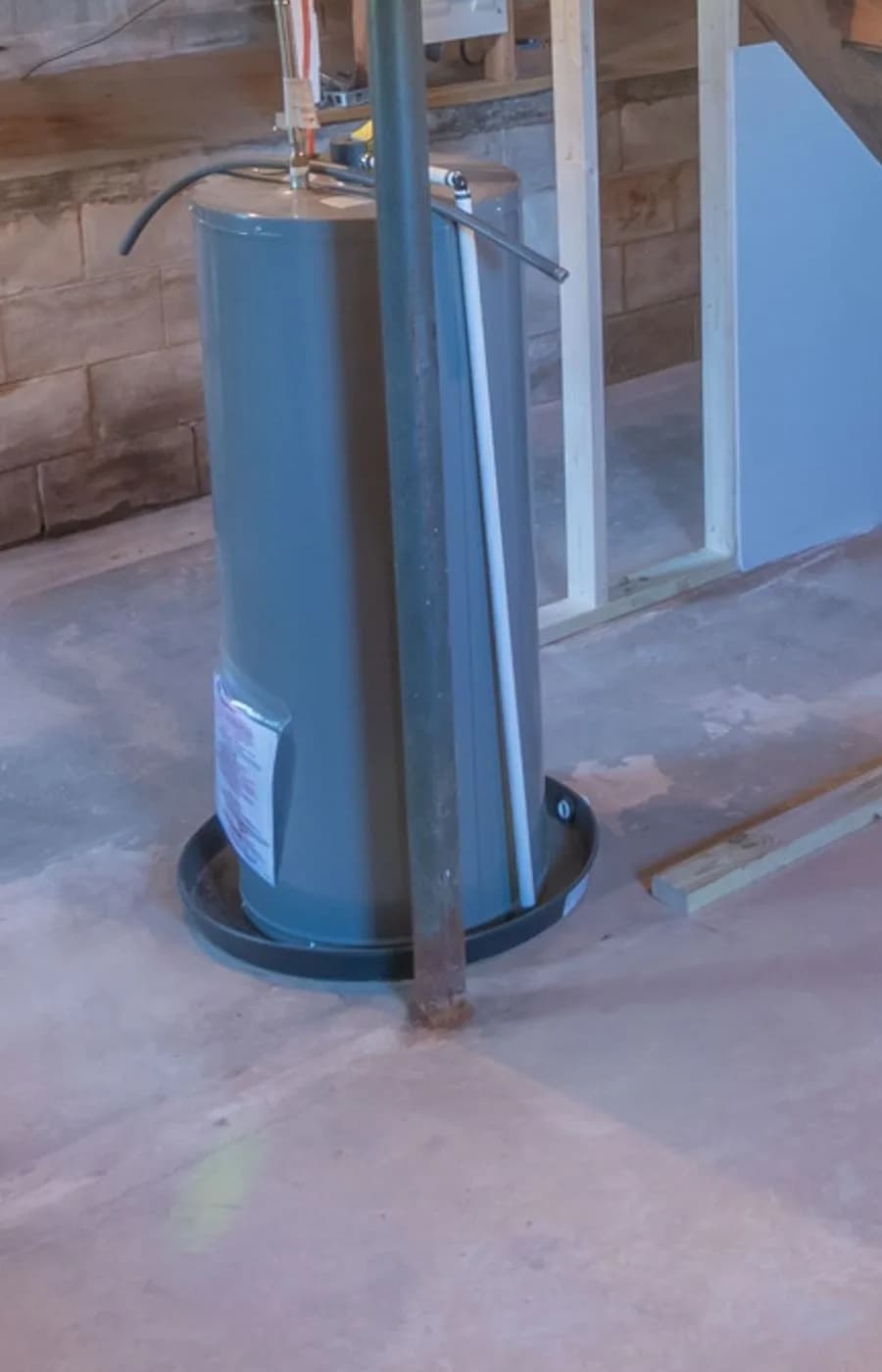
Preventive drain maintenance can save you from emergency calls and costly cleanups. If you are experiencing slow drains throughout your home, it may be time for a thorough drain cleaning to get your system flowing freely again. While we are at your home, we can also inspect your water heater for optimal performance.
Why You Should Skip the Chemical Drain Cleaner
Liquid drain cleaners are the most common cause of the damage we see on drain calls. The caustic chemicals generate heat that can soften PVC, corrode older metal piping, and eat rubber gaskets — and when they fail to clear the clog, they leave a trap full of caustic liquid that the next person (often our technician) has to work through. They also rarely remove the actual blockage; they burn a narrow channel through it, so the clog returns in weeks.
Mechanical cleaning — drain augers and professional-grade equipment matched to the pipe size — physically removes the blockage and scours the buildup on the pipe walls. That is why a professional cleaning lasts, while a bottle of chemicals buys you a few weeks. If you have already used a chemical product, tell us when you call so our technician can handle the line safely.
What Does a Recurring Clog Mean?
A clog that keeps coming back in the same fixture usually means the blockage was never fully removed — or that there is a deeper problem: a bellied or improperly pitched pipe, invading tree roots in the main line, or a partial collapse in older clay or cast-iron piping. If multiple drains in the house slow down at once, or the lowest drain in the home backs up when you run water elsewhere, the issue is almost certainly your main sewer line, not an individual fixture.
We diagnose the actual cause instead of repeatedly clearing the symptom. We have no incentive to sell you a main-line excavation you do not need — most recurring clogs are resolved with a thorough mechanical cleaning and an honest explanation of what we found.
What Actually Protects Your Drains, and Your Septic System
Most drain clogs are preventable, and the products marketed to fix them are sometimes the same ones that make the next clog worse. This guide covers what should never go down a drain or toilet, how septic systems specifically are affected, why chemical drain cleaners carry real risk, and what a camera inspection actually shows.
What Not to Put Down a Drain or Toilet
EPA guidance for septic and sewer systems is blunt: toilets are not trash cans, and kitchen drains are not a disposal point for anything beyond what a garbage disposal is rated to handle. Most of what causes a slow or blocked drain did not get there by accident; it went down on purpose because it seemed harmless at the time.
- Cooking grease, oil, and fat, which solidify inside the pipe as they cool even if they go down as a liquid
- Non-flushable wipes, including ones labeled flushable, which do not break down the way toilet paper does
- Coffee grounds, eggshells, and fibrous scraps like celery, which bind together instead of washing through
- Feminine hygiene products, diapers, and condoms
- Medications, which pass through septic and sewer treatment largely intact and end up in groundwater or waterways
- Household chemicals such as paint, solvents, pesticides, gasoline, and motor oil
Septic-Safe Habits
A large share of Maine households are on a private septic system, and the rules for what is safe to send down the drain are stricter than for a municipal sewer connection, because a septic tank depends on live bacteria to break down waste. The EPA's SepticSmart program warns that pouring chemicals down the drain can kill the bacteria that make the system work, which is also why septic tank additives are not recommended; a properly functioning tank does not need them.
Water volume matters as much as what goes down the drain. Running every load of laundry in a single day, rather than spacing loads through the week, can overload a drainfield's ability to absorb water. The EPA recommends high-efficiency fixtures for septic households for the same reason: less water in means less strain on the system.
- Space out high-volume water use, such as laundry and the dishwasher, instead of running it all at once
- Have the tank inspected roughly every three years and pumped on the schedule your inspector recommends
- Skip septic tank additives; the EPA notes a well-maintained system does not need them
- Keep the drainfield area clear of vehicles, structures, and deep-rooted trees
Why Chemical Drain Cleaners Are Riskier Than They Look
Liquid and gel drain cleaners typically work with strong caustic or acidic chemicals that generate heat as they react. The EPA classifies them as household hazardous waste specifically because they can explode, ignite, or react dangerously if mixed with other chemicals, and recommends a plunger or a drain snake as the first thing to try instead.
There is also a practical problem: chemical cleaners often do not remove the clog. They burn a narrow channel through it, which is why the same drain tends to clog again within weeks. If a chemical treatment has already been poured down a slow drain, tell your plumber before they start; the leftover caustic liquid can splash back during mechanical cleaning.
Enzyme or bacterial drain treatments are a different category from caustic chemical cleaners and are not the safety hazard this section is about. They work slowly by digesting organic buildup and are marketed more as maintenance than emergency unclogging, so they are not a substitute for a plunger, a snake, or a professional cleaning when a drain is already blocked.
Never mix two different drain-cleaning products, and never use a chemical cleaner right before a plumber is scheduled to open the same trap by hand.
What a Camera Inspection Actually Shows
A drain or sewer camera is a waterproof lens on the end of a flexible cable, fed into the pipe from a cleanout or fixture opening. The video feed shows the inside of the pipe in real time, including scale buildup, root intrusion, bellied (sagging) sections, offset joints, and cracks that a snake alone cannot diagnose. Many camera systems include a small transmitter in the camera head, which lets a technician trace the exact path and depth of the pipe from above ground with a locator wand, useful for marking exactly where to dig if a repair turns out to be necessary.
A camera inspection turns guesswork into a specific diagnosis: whether a line needs a routine cleaning, a spot repair, or full replacement, and exactly where.
Local & Independent
J&R Mechanical Services is an independent contractor — not a national franchise. Our technicians are not commissioned salespeople. We do the work you called us for, do it right, and earn the next call.
More Residential Plumbing Services
Serving Augusta & Brunswick
Drain Cleaning FAQs
Is Drano safe to use on a clogged drain?
We recommend against it. Chemical drain cleaners can damage pipes and gaskets, rarely remove the full blockage, and create a safety hazard for anyone who works on the drain afterward. A mechanical cleaning removes the clog completely and is safer for your plumbing.
Why does my drain keep clogging in the same spot?
A recurring clog usually means the original blockage was only partially cleared, or there is an underlying issue like pipe scale, improper pitch, or root intrusion. A thorough professional cleaning — and identifying the root cause — breaks the cycle.
How do I know if my main sewer line is clogged?
Warning signs include multiple drains slowing at once, gurgling toilets, sewage odors, and water backing up at the lowest drain in the house when you run water elsewhere. A main-line clog needs prompt professional attention before it becomes a sewage backup.
How can I keep my drains from clogging?
Keep grease, coffee grounds, and fibrous food out of kitchen drains; use hair catchers in showers; flush nothing but toilet paper; and run hot water after each sink use. An occasional preventive cleaning keeps older or heavily used lines flowing freely.
More Ways We Can Help
Google ReviewsService Areas
9Find your town on our service area pages, starting with…
Company
5Helpful pages to start with include…
Services
30You can also count on us for…
Get a Quote
Request Service
Fill out the form below to request an estimate or schedule service.
“*” indicates required fields
Need it today?Call (207) 902-8899