





Fixture Installation
Faucets & Sinks · Toilets & Bidets · Garbage Disposals
Our Approach to Fixture Installation
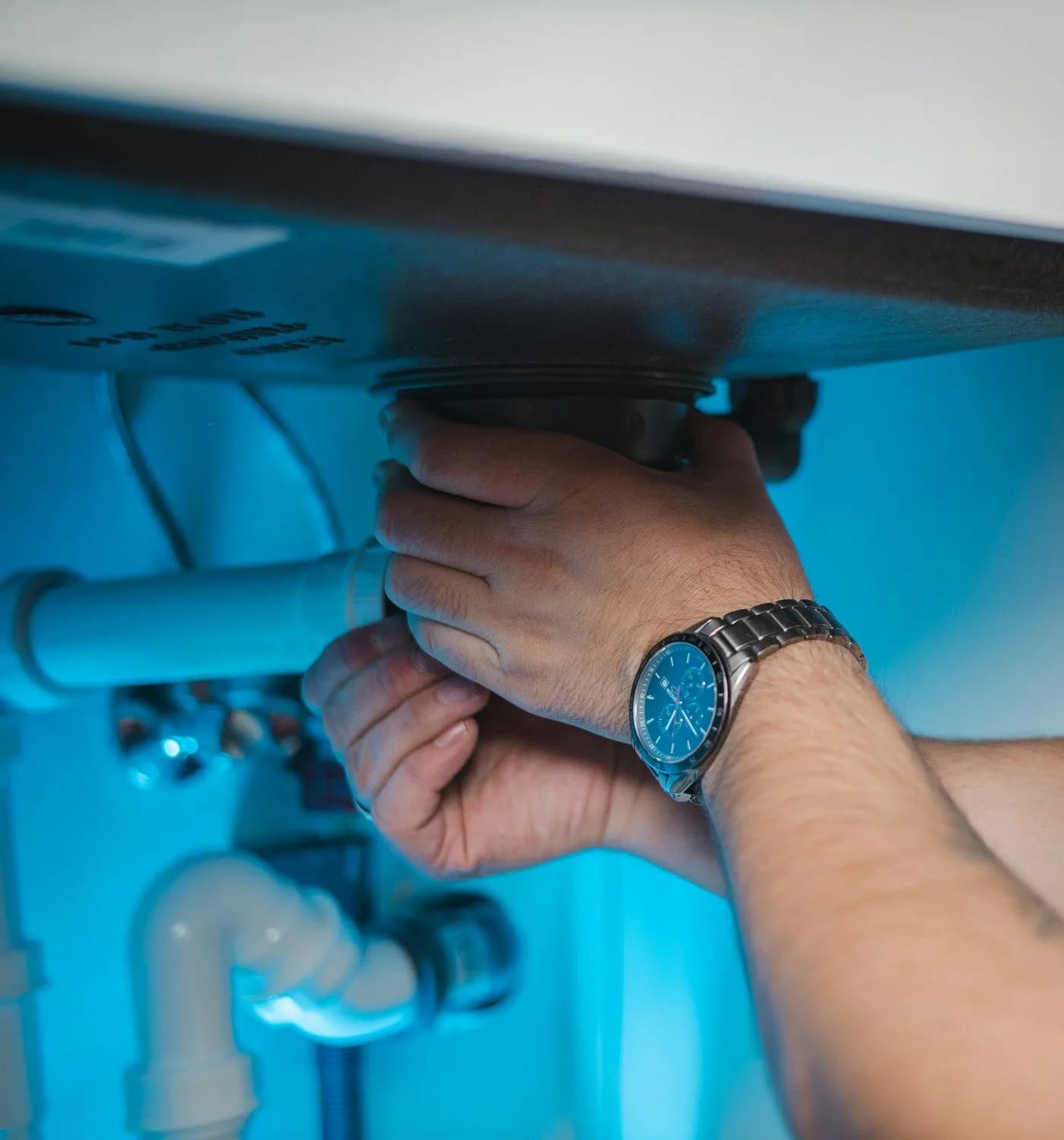
J&R Mechanical Services installs plumbing fixtures with precision and care. From kitchen faucets to bathroom toilets, we make sure everything is properly connected, tested, and leak-free.
We install all types of residential plumbing fixtures including kitchen and bathroom faucets, sinks, toilets, garbage disposals, shower valves, and tub fillers. We work with fixtures you have purchased or can help you select the right option.
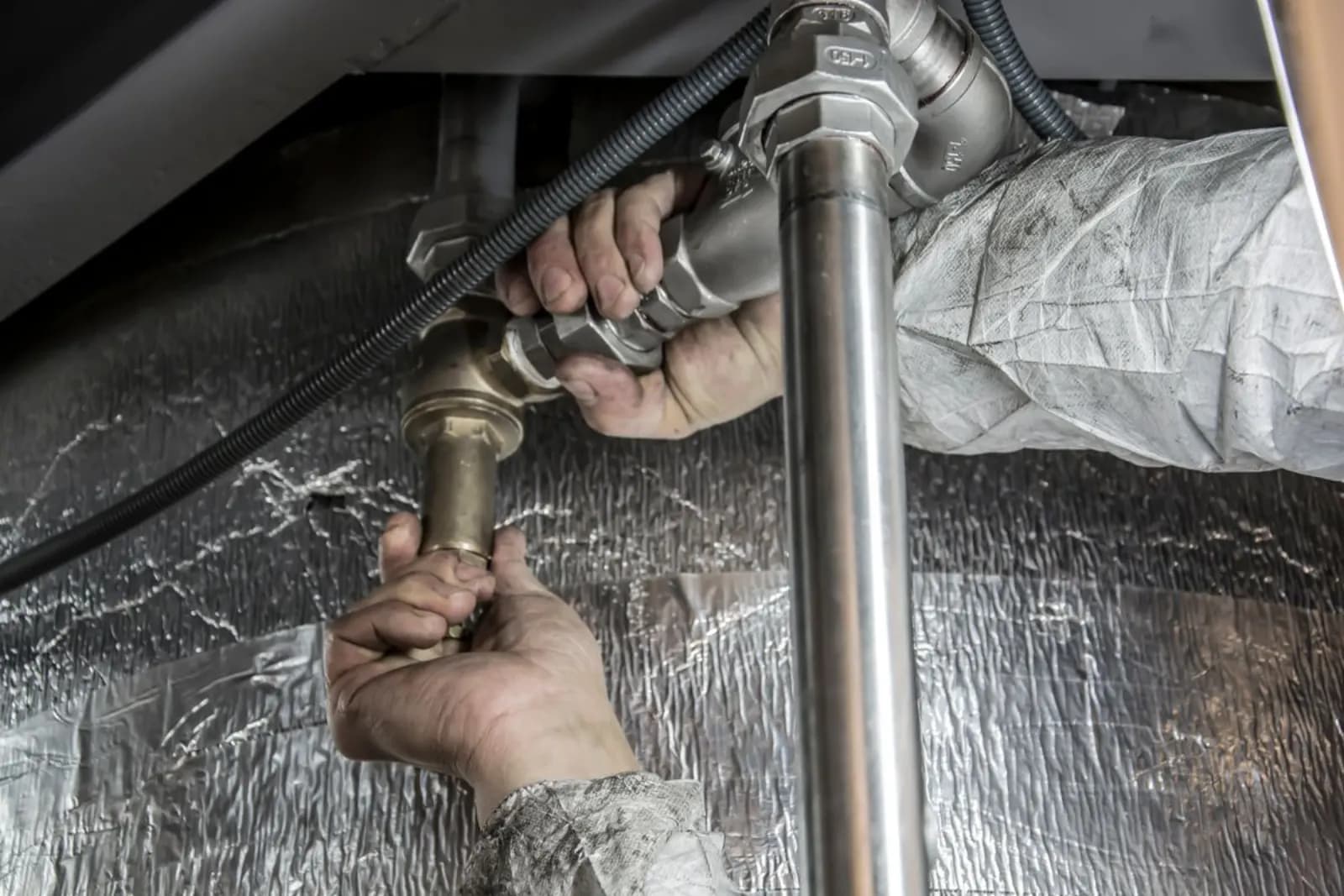
Proper fixture installation requires attention to detail — correct supply line sizing, secure mounting, proper drain connections, and thorough leak testing. We take the time to do it right so you do not have problems down the road.
Upgrading your fixtures can improve water efficiency, reduce your water bills, and update the look of your kitchen or bathroom. We handle the plumbing side so you can enjoy the results.
Why Hire a Professional Plumber for a "Simple" Fixture Swap?
Most fixture problems we get called to fix were installed by someone else — cross-threaded supply lines, missing or doubled-up washers, overtightened plastic nuts that crack weeks later, and drains pitched wrong so they gurgle and clog. A faucet swap looks simple until the shutoff valve under the sink will not close, the mounting nuts are corroded solid, or the new fixture does not match the hole pattern in the sink. Our plumbers handle all of that routinely.
A professional installation also protects the fixture warranty — many manufacturers require proof of professional installation for warranty claims. We pressure-test every connection before we leave, so you are not discovering a slow drip inside the vanity a month later.
What Should You Know Before Buying Your Own Fixture?
We are happy to install fixtures you purchase yourself — no markup games, no insistence that you buy from us. A few tips from experience: match the faucet to your sink hole configuration (single-hole, centerset, or widespread), check that a new toilet matches your rough-in distance (usually twelve inches from wall to bolts), and skip the bargain-bin brands whose replacement cartridges are impossible to find in five years. If you want guidance, tell us what you are trying to achieve and we will recommend options at a couple of price points — the honest way, since our technicians earn nothing extra for selling you a pricier faucet.
Fixture Standards: Flow Rates, Rough-In, and Anti-Scald Protection
Modern fixtures do more than look nice. Federal and voluntary standards control how much water they use, manufacturers set exact dimensions so new fixtures fit existing rough-in plumbing, and code requires certain valves specifically to prevent scalding. This guide covers those standards so you know what you are buying and why it matters.
WaterSense and Federal Flow Rate Standards
Every toilet, faucet, and showerhead sold in the U.S. must meet a federal maximum water-use standard, and the EPA's voluntary WaterSense label identifies products that use meaningfully less.
| Fixture | Federal standard maximum | WaterSense maximum | Older fixtures (pre-1994) |
|---|---|---|---|
| Toilet | 1.6 gallons per flush | 1.28 gallons per flush or less (about 20% less than the federal standard) | Up to 6 gallons per flush |
| Bathroom faucet | 2.2 gallons per minute | 1.5 gallons per minute (30% or more below the federal standard) | No federal limit existed before 1994 |
| Showerhead | 2.5 gallons per minute | 2.0 gallons per minute (about 20% less than the federal standard) | No federal limit existed before 1994 |
What a WaterSense Label Actually Guarantees
The gap between an older toilet and a new WaterSense model is large enough that replacing a single pre-1994 toilet can measurably lower a household's water use without any change in how the fixture performs day to day. WaterSense certification requires fixtures to pass EPA performance testing in addition to meeting the flow limit, so the lower number is not simply a weaker flush or a thinner stream, it is a fixture engineered to do the same job with less water.
The standard is not frozen in place. The EPA has drafted a tighter Version 2.0 WaterSense specification that would lower the bathroom faucet maximum from 1.5 to 1.2 gallons per minute, though that revision is currently paused for further review rather than in effect. Until it is finalized, 1.5 gallons per minute remains the current WaterSense threshold for bathroom faucets.
Rough-In Dimensions: Why Measuring Matters
Toilets, in particular, are built around a standard rough-in: the distance from the finished wall behind the toilet to the center of the drain and closet bolts. Most toilets sold in the U.S. are made for a 12-inch rough-in; some models are made for a 10-inch or 14-inch rough-in for bathrooms with unusual layouts or older plumbing. Before buying a replacement toilet, measure the existing rough-in and match it to the new fixture's own specification sheet. A mismatch means the toilet will not sit flush against the wall, or the tank will not clear it.
Faucets, sinks, and tub and shower valves have their own rough-in requirements for supply line spacing and hole patterns, which is why swapping a fixture for one from a different manufacturer or a different era sometimes takes more work than expected.
Accessible and Comfort-Height Basics
Standard toilets sit around 15 inches from floor to seat. Comfort-height, or chair-height, toilets are taller, and the U.S. Access Board's accessibility guidelines call for accessible water closets with a seat 17 to 19 inches above the floor, grab bars mounted 33 to 36 inches above the floor, and a clear floor space of at least 60 inches wide by 56 inches deep in front of the fixture.
You do not need to meet full accessibility code to benefit from a comfort-height toilet. Many homeowners choose one simply because it is easier to sit down and stand up from, particularly for older adults or anyone recovering from surgery.
The accessible clearance zone in front of a toilet is meant to stay open for a wheelchair transfer, and the accessibility guidelines only allow a short list of items to project into it: the toilet itself, grab bars, a toilet paper dispenser, a seat cover dispenser, a coat hook, a shelf, or a sanitary napkin disposal unit. A second fixture, a cabinet, or anything else has to stay outside that footprint, which is worth checking before finalizing a small bathroom layout.
Anti-Scald Valve Requirements
The Uniform Plumbing Code requires shower and tub-shower valves to be pressure-balancing or thermostatic mixing valves certified to ASSE 1016, which automatically compensate when someone flushes a toilet or starts the dishwasher so the shower does not suddenly run scalding hot or ice cold. A related standard, ASSE 1070, covers point-of-use temperature-limiting devices for sinks, lavatories, and bathtubs.
The U.S. Consumer Product Safety Commission has documented how quickly hot water causes serious burns: an adult can suffer a third-degree burn after 2 seconds at 150 degrees Fahrenheit, 6 seconds at 140 degrees, or 30 seconds at 130 degrees. Even at 120 degrees, a five-minute exposure can cause a third-degree burn. CPSC recommends setting water heaters no higher than 120 degrees for this reason, in addition to the energy savings.
The two ASSE standards cover different points in the system, which is why a bathroom can need both. ASSE 1016 applies to the mixing valve itself, usually inside the wall at the shower or tub-shower control, and a single 1016-rated valve typically protects everything fed from it, including a hand-held or body spray on the same control. ASSE 1070 instead applies to a temperature-limiting device at an individual fixture, such as a lavatory faucet or a freestanding tub filler that is not already protected by a whole-valve system upstream.
An anti-scald valve does not replace a safe water heater setting. The valve protects against sudden pressure or temperature swings; the thermostat setting controls the baseline temperature.
Local & Independent
J&R Mechanical Services is an independent contractor — not a national franchise. Our technicians are not commissioned salespeople. We do the work you called us for, do it right, and earn the next call.
More Residential Plumbing Services
Serving Augusta & Brunswick
Fixture Installation FAQs
Can I supply my own faucet or toilet for you to install?
Absolutely. We install customer-supplied fixtures every week, and we are glad to advise on brands and configurations before you buy so the fixture fits your sink or rough-in. We can also supply the fixture if you prefer one-stop convenience.
How long does fixture installation take?
A straightforward faucet or toilet replacement usually takes one to two hours. Garbage disposals, shower valves, and installations where old shutoff valves or corroded connections need replacement can take longer. We give you a realistic time estimate before we start.
Should my old shutoff valves be replaced during a fixture swap?
Often, yes. Shutoff valves that have not been turned in years frequently seize or weep once disturbed. Replacing a worn shutoff during a fixture installation costs little while everything is already apart — and it means you can actually shut water off in an emergency.
Do new fixtures really lower my water bill?
They can. Modern water-efficient faucets and toilets use significantly less water than older models — an older toilet can use several times as much water per flush as a modern one. For a busy household, that difference shows up on the bill.
Will you try to upsell me on other plumbing work while you are here?
No. Nobody on our team works on commission. If we happen to spot a genuine safety or leak issue while working, we will point it out and let you decide. Otherwise we do the job you called us for.
More Ways We Can Help
Google ReviewsServices
30We handle the full range of home comfort work, including…
Service Areas
9Our primary service areas are Augusta and Brunswick, along with…
Company
5You can also visit…
Get a Quote
Request Service
Fill out the form below to request an estimate or schedule service.
“*” indicates required fields
Need it today?Call (207) 902-8899