






Heat Pump Installation
Cold-Climate Rated Systems · Proper Load Calculations · Clean, Professional Install
Our Approach to Heat Pump Installation
How a Heat Pump Works
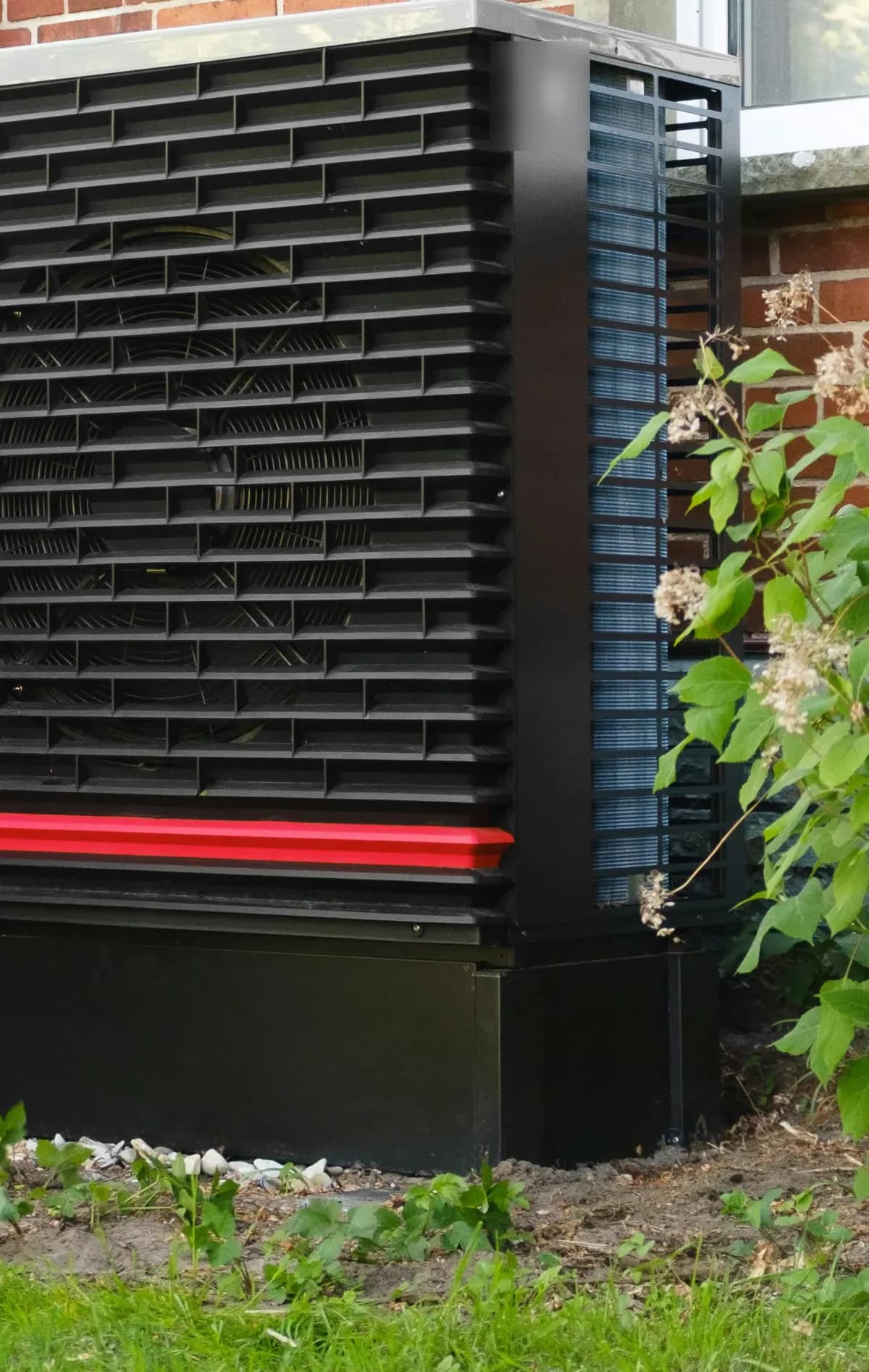
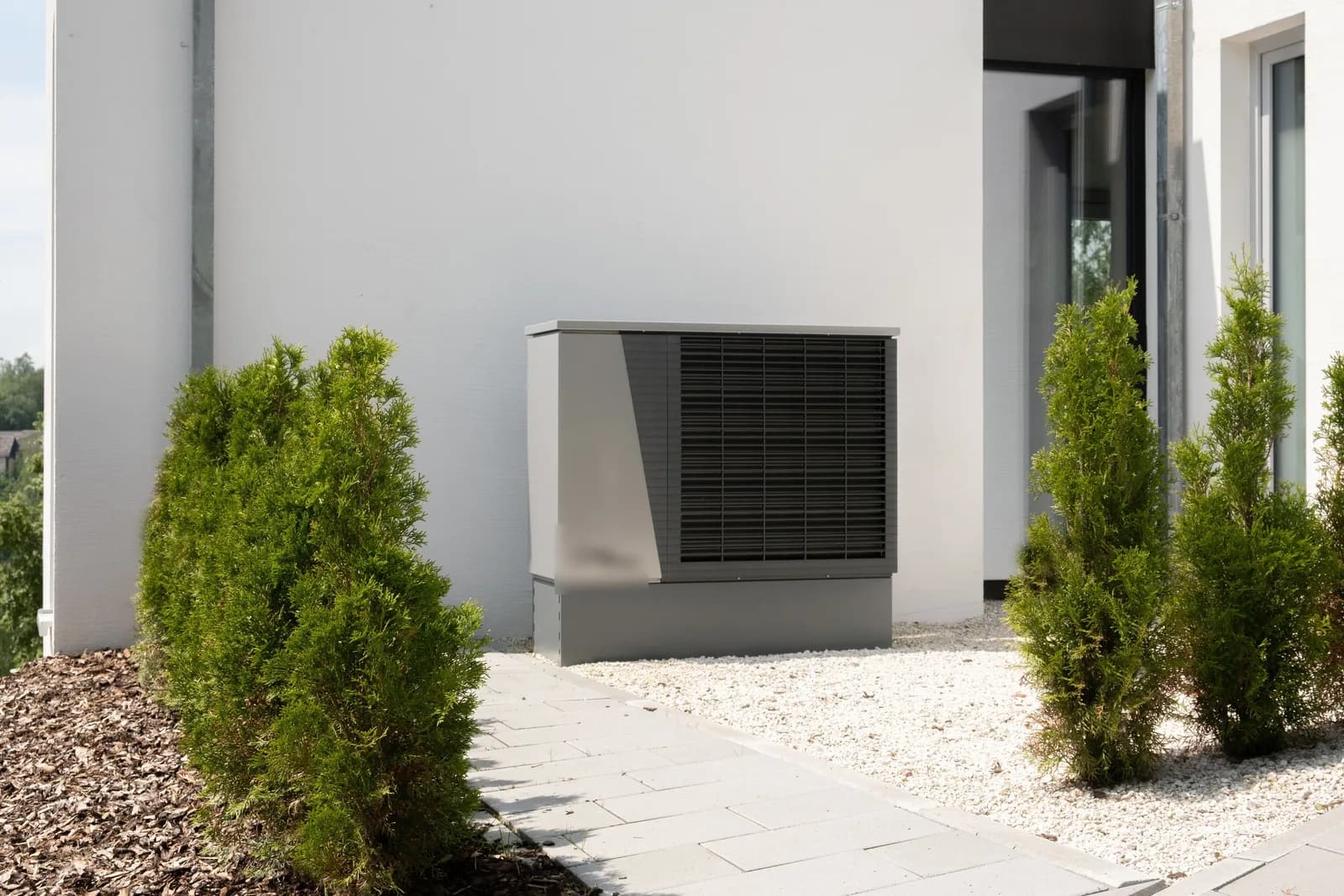
- Outdoor unit — fan and compressor extract heat from outside air
- Reversing valve — switches the system between heating and cooling
- Line set — carries hot, high-pressure refrigerant indoors
- Indoor coil — releases heat into the airstream
- Warm air — the blower delivers it to the room
J&R Mechanical Services installs cold-climate heat pumps built to perform through real winter weather. We handle everything from system selection and sizing to professional installation and testing, and we work with major brands to fit your home and budget.
We install cold-climate heat pumps rated to perform in sub-zero temperatures, and we work with major manufacturers to find the right fit for your home and budget. Every installation starts with a proper load calculation to make sure your system is sized correctly — not too big, not too small.
Our installations include indoor and outdoor unit placement, refrigerant line routing, and thorough system testing. We take pride in clean line sets, secure mounting, and a tidy work area when we leave.
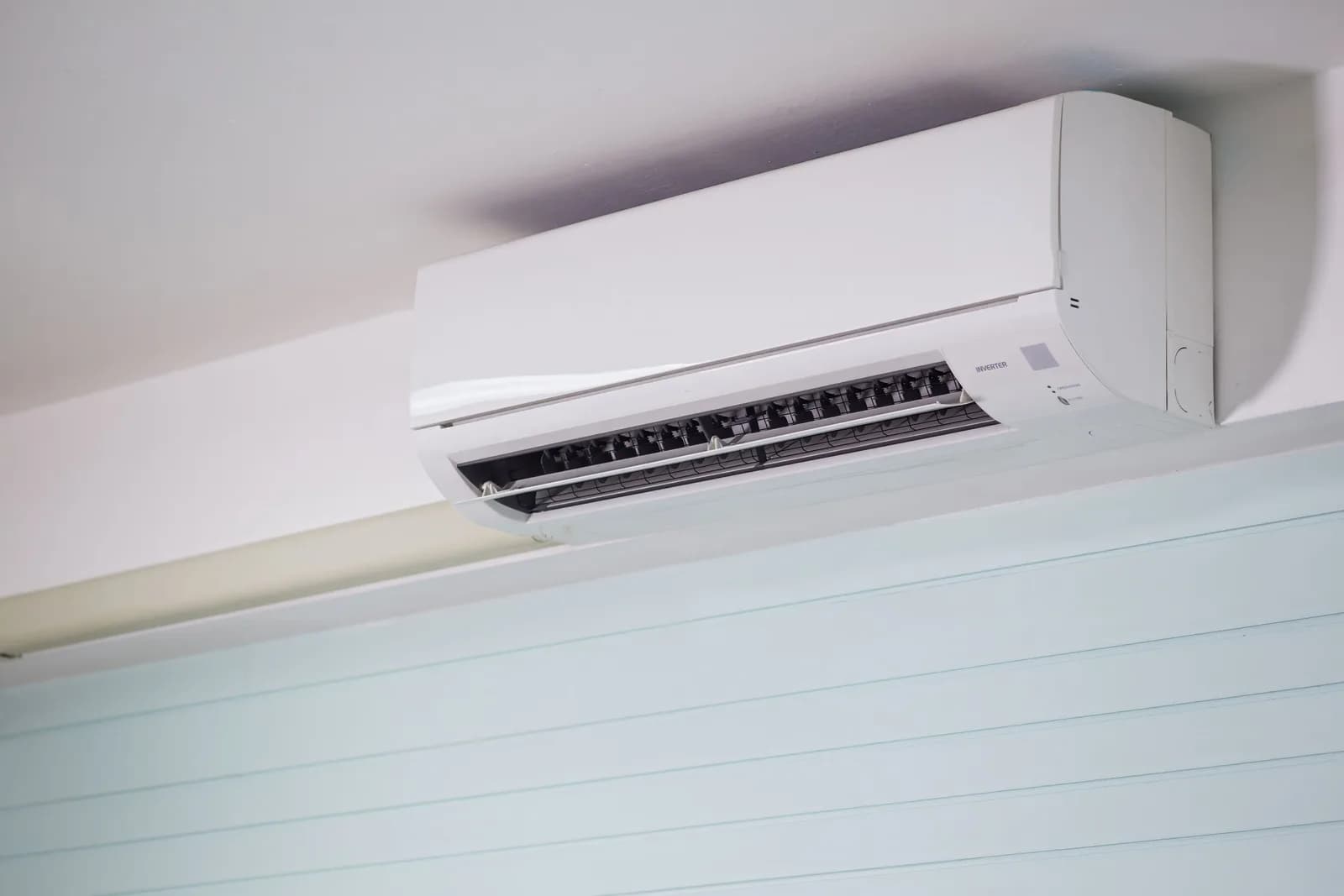
Whether you are adding a single-zone mini-split to a problem room or installing a multi-zone ductless mini-split system for whole-home comfort, we communicate clearly about what to expect and deliver on time.
Do Heat Pumps Really Work in Cold Winters?
Yes — when the right equipment is installed the right way. Modern cold-climate heat pumps are rated to deliver full heating output well below zero. The catch is that the technology only performs when the system is sized from an actual load calculation, the outdoor unit is mounted above snow depth with proper drainage, and the refrigerant lines are run and charged correctly. That installation quality, not the brand on the box, is what separates a heat pump that carries a hard winter from one that struggles.
Many homeowners keep an existing boiler or furnace as a backup for the deepest cold snaps. Others go all-in on heat pumps for the whole home. We will walk you through both approaches honestly, including what each one does to your operating costs, before you spend a dollar.
What Happens on Installation Day?
Most single-zone installations are complete in one day. Our crew mounts the indoor head and outdoor unit, routes and insulates the refrigerant line set in clean line-hide, connects the system, pressure-tests and evacuates the lines, and commissions the system in both heating and cooling modes. We walk you through the remote and the maintenance schedule before we leave, and we take the packaging with us.

Efficiency Maine
Rebates & Guidance
- Recommendation
Don't oversize the system
Efficiency Maine advises against oversizing: smaller, correctly sized heat pumps often heat and cool more effectively than an oversized unit, and there's little penalty to adding more units later if some rooms are still underheated after the first round.
Source: Efficiency Maine - Rebate
Supplemental rebate for low-income households
Low-income homeowners adding one supplemental heat pump alongside an existing heating system can get a $3,000 rebate, verified through enrollment in MaineCare, HEAP, SNAP, or TANF, as long as it's their first heat pump and the home has no natural gas account.
Source: Efficiency Maine - Recommendation
Use a Registered Vendor and file on time
To qualify for an Efficiency Maine heat pump rebate, the equipment must be on Efficiency Maine's rebate-eligible list and installed by an Efficiency Maine Residential Registered Vendor, and the rebate claim form must be submitted within six months of project completion.
Source: Efficiency Maine - News· Dec 31, 2026
$500 bonus for 2026 heat pump upgrades
Through December 31, 2026, Efficiency Maine is adding a $500-per-housing-unit bonus on top of its regular whole-home heat pump rebate for projects completed and claimed between March 1 and December 31, 2026.
Source: Efficiency Maine
Program details as of Sep 26, 2026. Rebate amounts and eligibility change; confirm current terms at efficiencymaine.com.
Sizing, Placement and Line Sets: What a Good Install Looks Like
Most of what makes a heat pump work well is decided before anyone drills a hole: its size, where the outdoor unit sits, and how far the lines run.
This guide covers the standards behind those decisions, the limits printed in manufacturers' installation manuals, and the checklist Efficiency Maine requires for rebate-eligible installs as of January 1, 2026.
Sizing: Manual J Versus Rules of Thumb
ACCA Manual J, 8th Edition, is the ANSI-recognized national standard for calculating heating and cooling loads in single-family homes, small multi-unit buildings, condominiums, townhouses and manufactured homes. ACCA notes that a load calculation done to Manual J is required by national building codes and most state and local jurisdictions.
Rules of thumb, such as a set number of square feet per ton, leave out what actually drives a home's load. An ENERGY STAR sizing guide calls oversized cooling equipment a costly mistake: it costs more to buy, cycles on and off frequently, shortens equipment life, lowers efficiency and can lead to moisture problems. Even that guide's simplified sizing chart is built from Manual J software and changes with climate, not floor area alone.
Efficiency Maine makes the same point for heat pumps: bigger is not always better, and smaller units tend to be more efficient and can often heat and cool better than oversized ones.
Ask any installer for the load calculation behind their equipment choice, including the outdoor design temperature they used. A quote without one is a guess.
Where the Outdoor Unit Goes
Efficiency Maine's Installation Requirements Checklist does not need to be submitted, but every item on it is required for rebate eligibility. The manufacturers' installation manuals add their own cold-weather rules.
| Topic | Efficiency Maine checklist (1/1/2026) | What manuals and Efficiency Maine guidance add |
|---|---|---|
| Snow | At least 18 in. above any surface where snow will accumulate | Mitsubishi's MSZ-FX manual calls for a canopy, pedestal or baffle boards in heavy snow. Daikin's Oterra manual says to mount the unit high enough that it cannot be buried and to add a snow hood if snow can pile on it. |
| Mounting | Secured to a wall or stand | Efficiency Maine: foundation brackets are quietest and stay clear of shovels and mowers. Ground stands are quiet but can heave with poor drainage. Wall mounts can send a low hum indoors. |
| Roof runoff | Protected by a gutter, rain cap, gable end or overhang | Daikin recommends building a large canopy in heavy-snow areas. |
| Defrost water | Water from defrost will not form ice on a walkway | Mitsubishi says not to use the drain socket in cold regions because the drain can freeze and stop the fan. Daikin recommends a drain pan heater in heavy-snow areas to stop ice building up from the bottom. |
| Wind | Not listed | Mitsubishi and Daikin both say not to face the air inlet into the wind. Turn the inlet side toward the wall. |
| Clearances | Not listed | Set by each model's manual and by which sides are open. Mitsubishi's MSZ-FX manual calls for 4 to 20 in. depending on unit size and layout. Efficiency Maine adds: avoid shrubs, drift-prone spots and anything that blocks airflow, and leave room for service. |
Line-Set Length Limits by Brand
Every system has a maximum refrigerant line length and a maximum height difference between the indoor and outdoor units. Units also ship with enough refrigerant for a set length. Past that, the installer must weigh in more.
- Mitsubishi allows no more than 10 bends, and notes that lines under 16 ft can make intermittent noise noticeable in very quiet rooms.
- Daikin sets a minimum line length of 10 ft.
- Efficiency Maine notes outdoor units can sit more than 50 ft from their indoor units, which helps put them on a less visible side of the house, as long as the model's limits allow it.
| Model line | Max line length | Max height difference | Pre-charged length |
|---|---|---|---|
| Mitsubishi MSZ-FX06/09/12NL | 65 ft (20 m) | 40 ft (12 m) | 25 ft, then 0.22 oz per extra ft |
| Mitsubishi MSZ-FX15/18/24NL | 100 ft (30 m) | 50 ft (15 m) | 50 ft, then 0.22 oz per extra ft |
| Fujitsu Halcyon 12RLS3H (XLTH) | 65 ft (20 m) | 49 ft (15 m) | 49 ft |
| Daikin Oterra RX(B)09/12 | 65-5/8 ft (20 m) | 49-1/4 ft (15 m) | 32-13/16 ft, then 0.21 oz per extra ft |
| Daikin Oterra RX(B)18/24 | 98-1/2 ft (30 m) | 65-5/8 ft (20 m) | 32-13/16 ft, then 0.21 oz per extra ft |
What Efficiency Maine Requires of the Install
The system must be installed by an Efficiency Maine Residential Registered Vendor. In the heat pump category, vendors must show EPA refrigerant-handling certification and completion of ENERGY STAR heat pump manufacturer installation training. Efficiency Maine reserves the right to verify the installation and inspect it.
- The installer records the manufacturer's minimum length, maximum length with factory charge, maximum length, the actual length, and any refrigerant added.
- The line set is prepared to the manufacturer's guidelines, or shown to hold more than 600 PSIG for 10 minutes and a vacuum below 500 microns for 10 minutes.
- Flare connections are tightened to the manufacturer's torque specification.
- Visible line sets are covered, with covers connected to their fittings. Unfinished spaces and the run between the house and the outdoor unit are exceptions.
- Line sets are not coiled (preferred), are coiled horizontally, or meet the manufacturer's specifications.
- Wall, floor and ceiling penetrations are sealed, with no visible spray foam, and the condensate line has no dips or traps.
- For ducted heat pumps: accessible seams sealed with mastic or metal tape, a tight filter slot cover, duct insulation of at least R-8 in unconditioned basements and R-12 in other unconditioned spaces, and adjustable registers or dampers for balancing.
J&R Mechanical Services is an Efficiency Maine Registered Residential Vendor. We can walk you through how each checklist item applies to your install before work starts.
Sources: ACCA Manual J, Residential Load Calculation (8th Edition) · ENERGY STAR Equipment Sizing Guidelines (EPA/TVA/NRECA/MHRA) · Efficiency Maine Residential Heat Pump Installation Requirements Checklist (1/1/2026) · Efficiency Maine, Ductless Heat Pump Installation Considerations · Efficiency Maine residential heat pump rebates (installer and inspection rules) · Efficiency Maine vendor locator (Registered Vendor heat pump requirements) · Mitsubishi Electric MSZ-FX installation manual (JG79N842H03) · Fujitsu Halcyon 12RLS3H submittal data (archived copy) · Daikin Oterra R410A split series installation manual
Local & Independent
J&R Mechanical Services is an independent contractor — not a national franchise. Our technicians are not commissioned salespeople. We do the work you called us for, do it right, and earn the next call.
More Heat Pumps & Mini-Splits Services
Serving Augusta & Brunswick
Heat Pump Installation FAQs
What temperature do cold-climate heat pumps work down to?
The cold-climate systems we install are rated to produce heat well below zero and continue operating past that with reduced output. Properly sized, they handle the large majority of winter hours on their own; many homeowners keep an existing boiler or furnace as backup for extreme cold.
How long does a heat pump installation take?
A single-zone ductless installation is typically done in one day. Multi-zone systems usually take two to three days depending on the number of indoor heads.
What size heat pump does my home need?
It depends on your home’s heat loss, not just square footage. We perform a load calculation that accounts for insulation, windows, air sealing, and layout before recommending equipment. Oversized systems short-cycle and dehumidify poorly; undersized systems fall behind in deep cold. Sizing is the most important decision of the whole project.
How long do heat pumps last?
A quality cold-climate heat pump that receives annual maintenance typically lasts fifteen years or more. Keeping coils clean and the outdoor unit clear of snow and debris is the biggest factor in reaching the high end of that range.
More Ways We Can Help
Google ReviewsService Areas
9Find your town on our service area pages, starting with…
Company
5Learn more about how we work, starting with…
Services
30Related services you may also need, such as…
Get a Quote
Request Service
Fill out the form below to request an estimate or schedule service.
“*” indicates required fields
Need it today?Call (207) 902-8899