






AC Installation
Heat Pump & Ductless Cooling · Right-Sized for Your Home · Quiet, Efficient Systems
Our Approach to AC Installation
How Central Air Conditioning Works
- Condenser — outside, rejects heat picked up indoors
- Compressor — pressurizes the refrigerant gas
- Evaporator coil — at the furnace, absorbs heat from indoor air
- Blower — pushes air across the cold coil
- Cool air — delivered through the ducts
A properly sized air conditioning system keeps your home comfortable through every heat wave. J&R Mechanical Services installs high-efficiency cooling — from whole-home heat pumps to single-room ductless units — sized and installed right the first time.
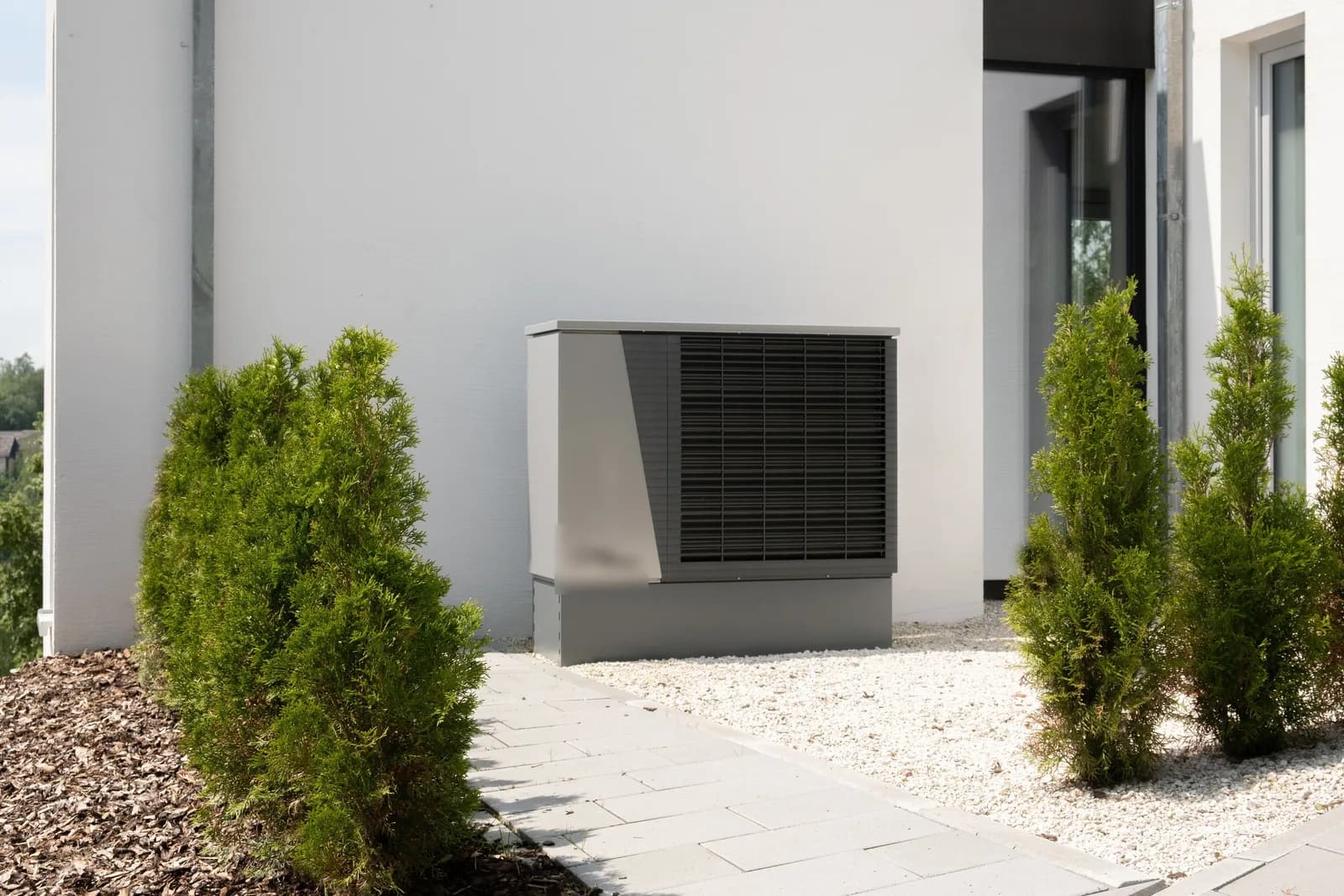
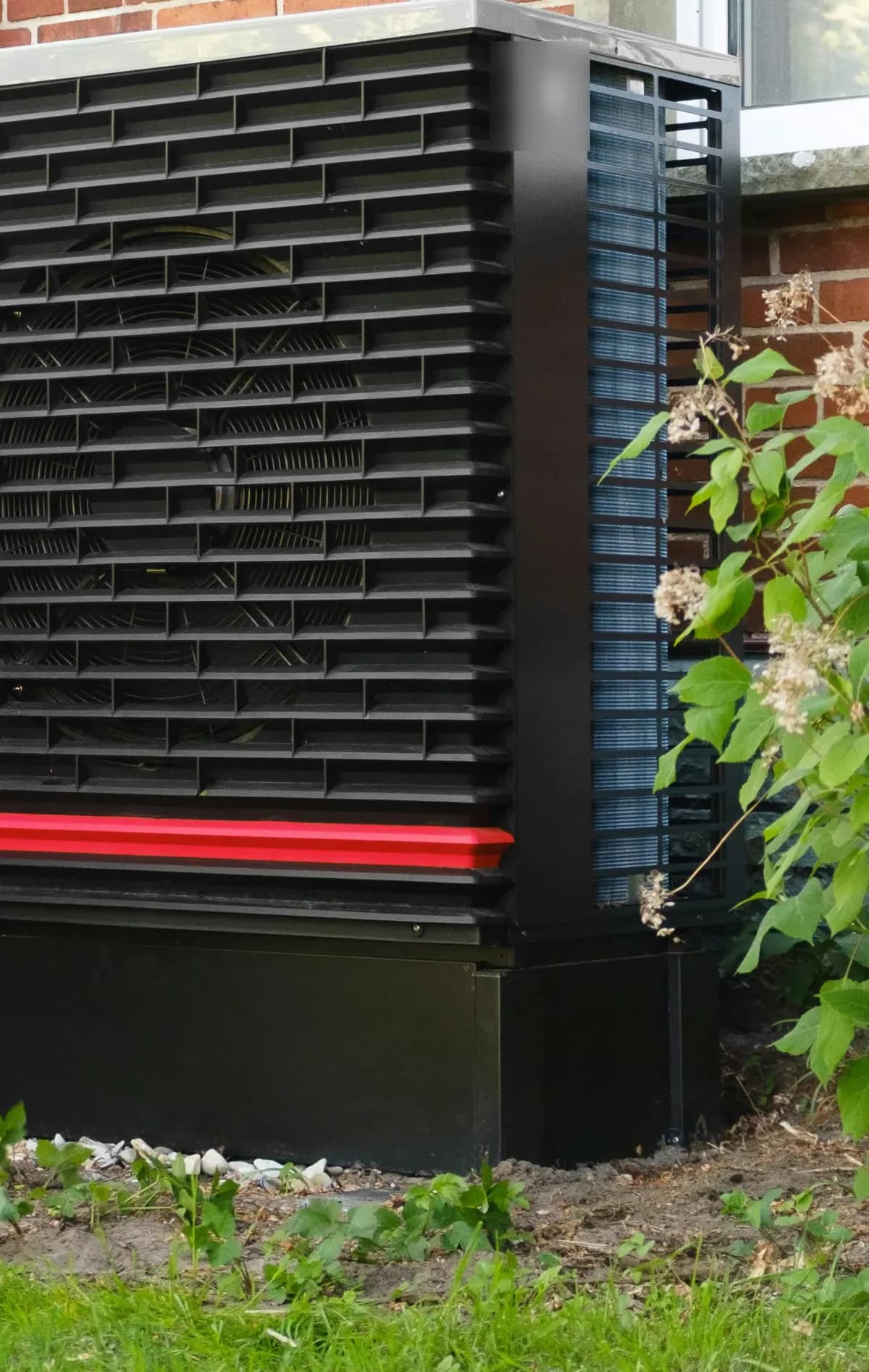
For most homes, the smartest way to add air conditioning is a cold-climate heat pump: it cools efficiently in summer and heats your home the rest of the year, all from one system. We work with major brands to match your home and budget.
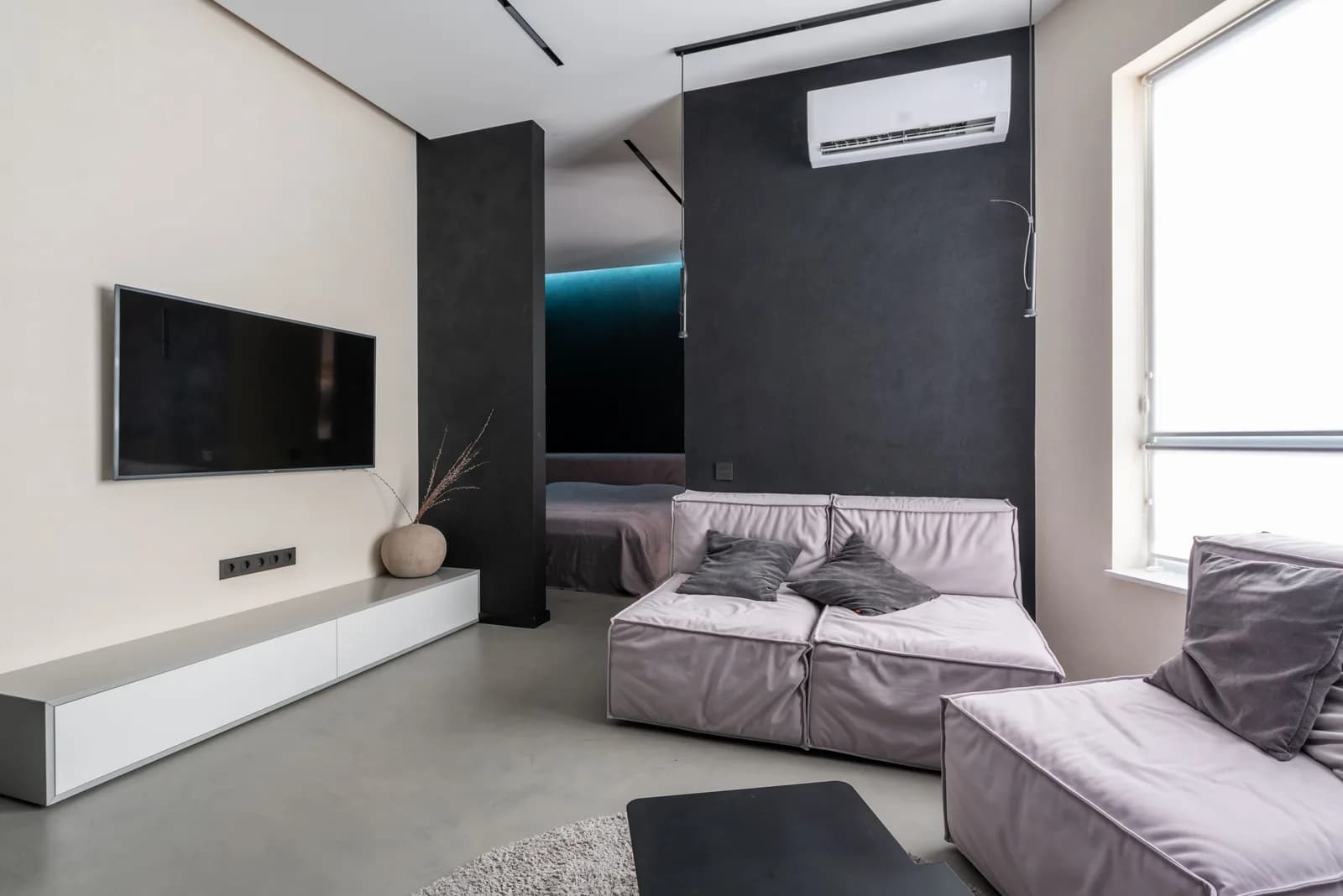
If you only need to cool a few rooms — a bedroom, a finished attic, an addition, or a home office — a ductless mini-split delivers targeted, zone-by-zone cooling without any ductwork. Every install begins with a proper load calculation so your system is sized correctly: an oversized AC short-cycles and leaves humidity behind, while an undersized one never keeps up on the hottest days.
Our cooling installations include indoor and outdoor unit placement, refrigerant line routing, and full performance testing.
What Is the Best Way to Add AC to an Older Home?
Many older homes were built without ductwork, which rules out the traditional central-air playbook — and that is fine, because ductless is usually the better answer here anyway. A cold-climate heat pump gives you high-efficiency cooling in summer and offsets your heating bill the rest of the year, so the same investment works all twelve months. For homes that only struggle in two or three rooms, single-zone mini-splits cool exactly where you need it without conditioning the whole house.
Window units are the comparison everyone makes, and honestly: a window unit is cheaper up front. But mini-splits cool far more efficiently, run drastically quieter, dehumidify properly, do not block a window or invite break-ins, and add heating value. If a window unit genuinely serves your need, we will say so — we would rather tell you the truth than sell you a system you do not need.
Why Correct Sizing Matters More Than Brand
Summer humidity is half the comfort problem, and an oversized air conditioner makes it worse: it blasts the room to temperature and shuts off before it has run long enough to wring moisture out of the air, leaving you cold and clammy at the same time. An undersized unit runs flat-out through every heat wave and never catches up. We size from a real load calculation — window area, orientation, insulation, occupancy — so the system runs long, steady, efficient cycles that control both temperature and humidity.

Efficiency Maine
Rebates & Guidance
- Recommendation
A heat pump can replace central AC too
Efficiency Maine doesn't have a stand-alone central air conditioning rebate; a ducted or ductless heat pump provides both heating and cooling, qualifies for the whole-home heat pump rebate, and cools for roughly half the running cost of a window air conditioner.
Source: Efficiency Maine - Rebate
Whole-home heat pump rebates
Efficiency Maine rebates whole-home heat pump systems by income tier: ducted systems get $3,000 (any income), $6,000 (moderate income), or $9,000 (low income); other whole-home systems get $1,000-$3,000 per outdoor unit depending on income. Your home may need more or fewer units, so the total varies.
Source: Efficiency Maine
Program details as of Sep 26, 2026. Rebate amounts and eligibility change; confirm current terms at efficiencymaine.com.
AC Installation in Maine: Efficiency Rules, Refrigerants, and System Types
Anyone installing new air conditioning in Maine now is buying into two federal changes that both took effect within the last few years: a 2023 update to the minimum efficiency a system has to meet, and a 2025 shift in which refrigerant new equipment is allowed to use. Neither is optional, and both affect what a contractor can legally sell and install today.
This guide covers what those two changes mean for a homeowner buying now, why correct sizing matters more than ever under the new efficiency test, and how central air, a ducted heat pump, and a ductless mini-split compare for a Maine home.
The 2023 Minimum Efficiency Standard for Maine's Region
The U.S. Department of Energy divides the country into three regions for central air conditioner efficiency standards, because a unit works harder in a hot, humid climate than in a cooler one. Maine falls in the North region. Under the DOE's 2023 test procedure (10 CFR Part 430, Subpart B, Appendix M1), a split-system central air conditioner sold for the North region must meet a minimum of 13.4 SEER2 for capacities under 45,000 Btu/h, or 13.8 SEER2 and 11.2 EER2 for larger capacities — lower than the 14.3 SEER2 minimum required in the South and Southwest regions, since Maine's cooling season is shorter and less demanding on the equipment.
The '2' in SEER2 isn't cosmetic. The 2023 test procedure raised the external static pressure used during testing to better match how a system performs against a real duct system, so a unit's SEER2 number typically reads a bit lower than the SEER number the same equipment would have posted under the old test. A contractor quoting 'SEER2 14' isn't offering a weaker system than one quoted 'SEER 14' under the old label — it's a different, more realistic test, and Maine's North-region minimum already reflects it.
The Refrigerant Change: R-410A to R-454B/R-32
The EPA's Technology Transitions rule, issued under the AIM Act, restricts new residential air conditioning and heat pump equipment built for the U.S. market to refrigerants with substantially lower global warming potential than R-410A, starting January 1, 2025. An interim rule gave some room at the changeover: equipment already manufactured or imported before that date can still be installed through January 1, 2026, so a small amount of R-410A equipment may legitimately still turn up for a while after the deadline.
In practice, new residential systems sold from 2025 onward use replacement refrigerants such as R-454B or R-32 instead of R-410A. For a homeowner, that mostly matters at installation and at end of life: these newer refrigerants are mildly flammable (rated A2L) and require equipment, fittings, and handling procedures built for them, so a system using them needs to be installed and serviced by someone trained on the new refrigerant rather than handed the old R-410A gauges. It does not mean an existing R-410A system already in a house is illegal or has to be replaced — the EPA has confirmed that repairing an existing system, including replacing a major component like a compressor or condensing unit, remains allowed. R-410A is being phased down at the production level, not banned from service work.
If you're comparing quotes for new equipment, ask which refrigerant the proposed system uses. New equipment installed today should already be on R-454B or R-32 in most cases — if a quote is for new R-410A equipment, ask why, since that supply is limited to stock manufactured before 2025.
Sizing: Why Bigger Isn't Better
A cooling system that's too large for the space cools the air quickly but shuts off before it has run long enough to pull humidity out of it, leaving rooms that read cold on the thermostat but feel damp. ENERGY STAR's guidance is direct on this: oversized equipment cycles too frequently, which hurts both comfort and equipment lifespan, and poor airflow from incorrect sizing or duct design can mean higher bills and reduced comfort even when the equipment itself is efficient. Improper installation generally, not just wrong-sized equipment, can cut a system's real-world efficiency by as much as 30 percent compared to its rated performance. The fix is sizing from the house's actual characteristics — window area and orientation, insulation levels, air leakage, and occupancy — rather than a rule of thumb like square footage alone or simply matching whatever equipment was there before.
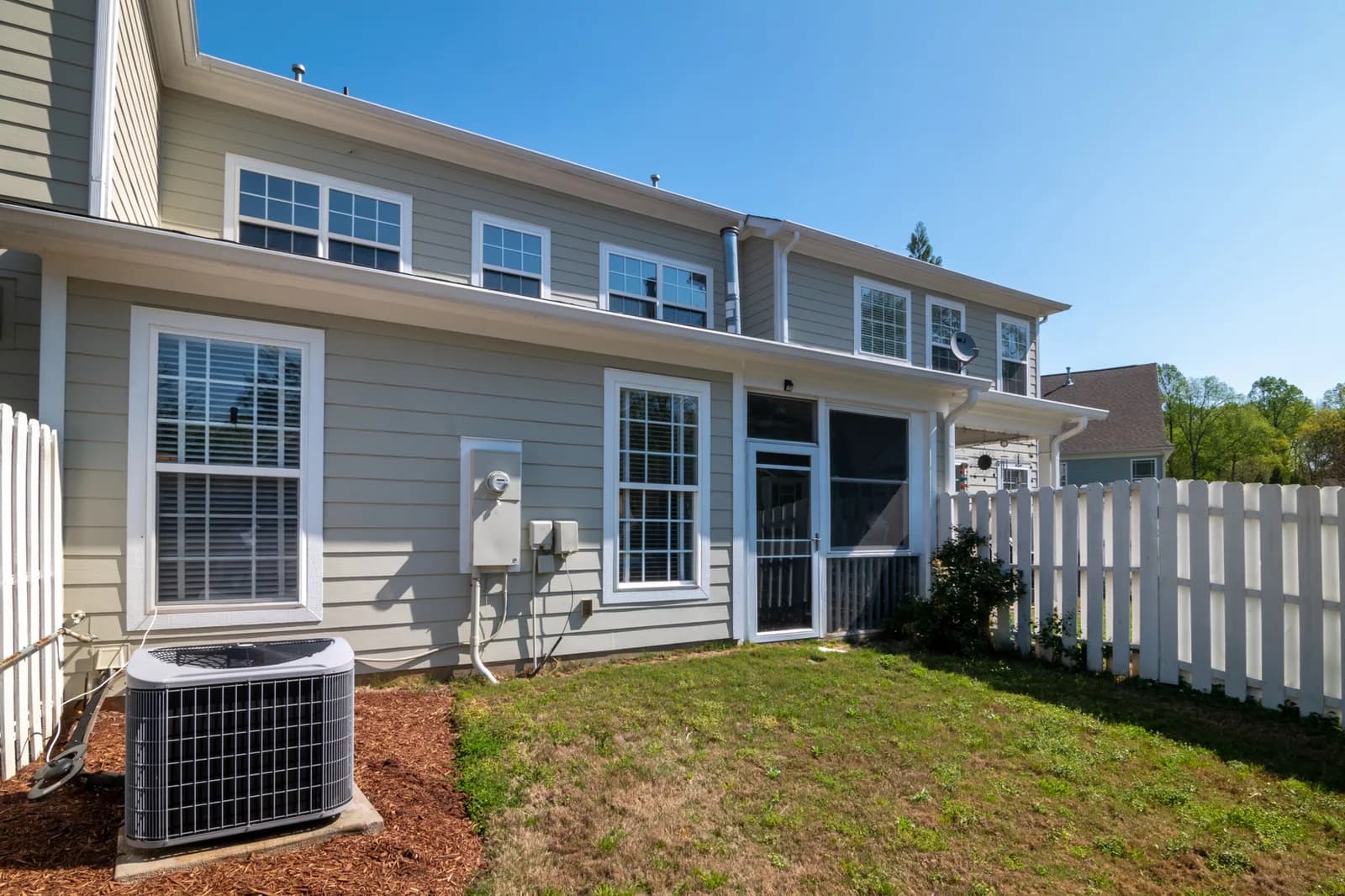
Central AC vs. Ducted Heat Pump vs. Ductless Mini-Split
All three technologies can cool a Maine home, but they differ in what they need from the house and what they do for the rest of the year.
A central air conditioner only cools, so it makes the most sense where a furnace and duct system are already in place and heating is staying on its current fuel. A ducted heat pump uses the same duct distribution but can heat and cool from a single outdoor unit, which is why it's increasingly the default recommendation in homes that already have ductwork. Where there's no ductwork — an older home, an add-on room, a converted attic — a ductless mini-split delivers the same cold-climate heat pump technology zone by zone, without the cost or disruption of adding ducts.
| System | Needs ductwork? | Heats in winter? | Efficiency rating | Best fit |
|---|---|---|---|---|
| Central air conditioner | Yes — existing or new ducts | No — cooling only | SEER2 (13.4+ required, Maine North region) | Homes that already have a forced-air furnace and ductwork |
| Ducted heat pump | Yes — existing or new ducts | Yes, in place of or alongside a furnace/boiler | SEER2 and HSPF2 (≥15.2 SEER2 for ENERGY STAR) | Forced-air homes wanting both heating and cooling from one system |
| Ductless mini-split | No — runs refrigerant lines instead | Yes, per zone | SEER2 and HSPF2; cold-climate models add a 5°F COP rating | Homes without ductwork, additions, or rooms that run hot or cold |
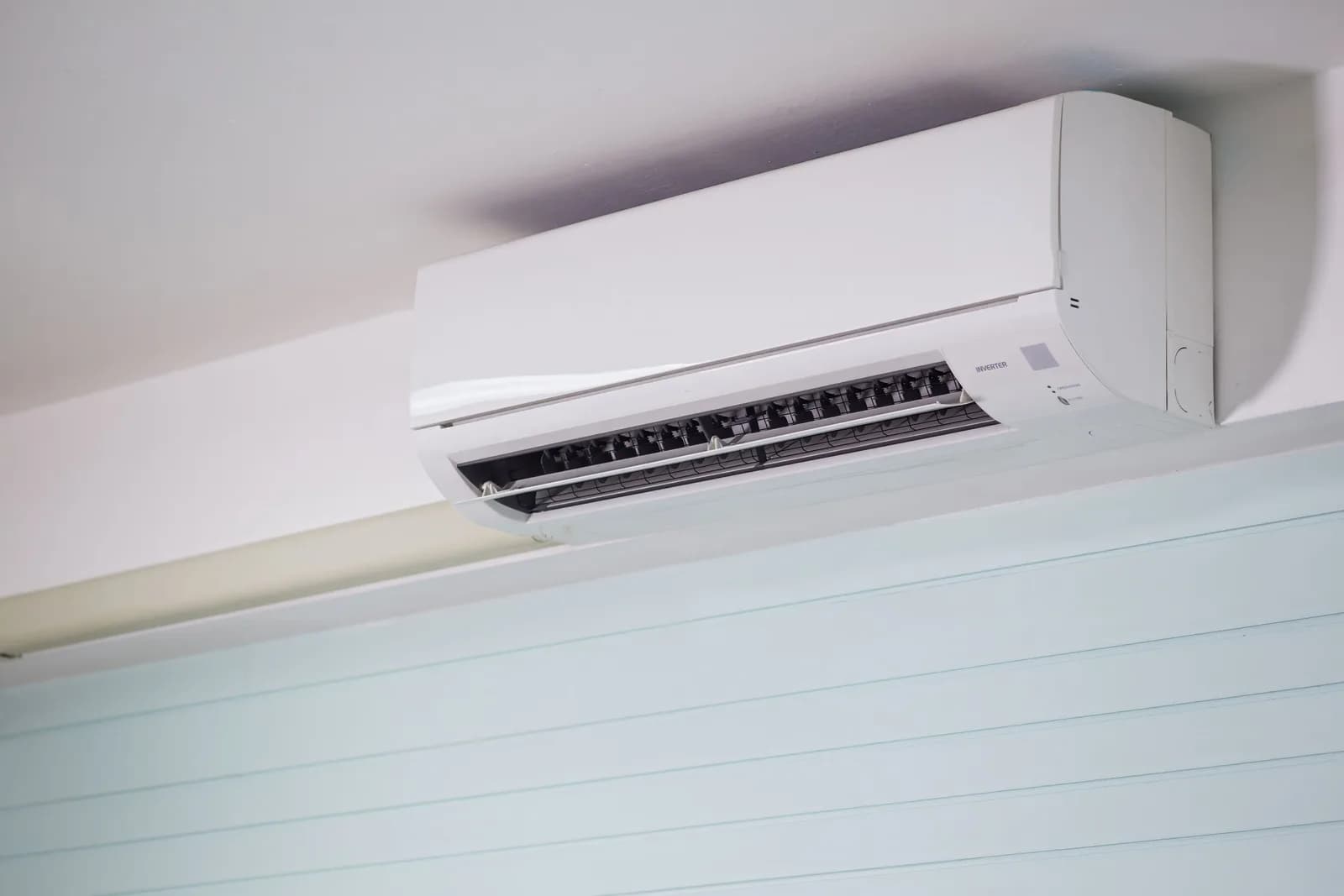
Sources: eCFR — Title 10 Part 430, Subpart B, Appendix M1 (SEER2 regional standards) · Federal Register — Energy Conservation Program: Test Procedures for Central Air Conditioners and Heat Pumps (Jan. 24, 2023) · EPA — Climate HFCs Reduction (AIM Act / Technology Transitions) · EPA — Regulatory Actions for Technology Transitions · EPA — Frequent Questions on the Phasedown of Hydrofluorocarbons · ENERGY STAR — Heating & Cooling: HVAC Quality Installation · ENERGY STAR — Air-Source Heat Pumps Key Product Criteria (SEER2/HSPF2/COP)
Local & Independent
J&R Mechanical Services is an independent contractor — not a national franchise. Our technicians are not commissioned salespeople. We do the work you called us for, do it right, and earn the next call.
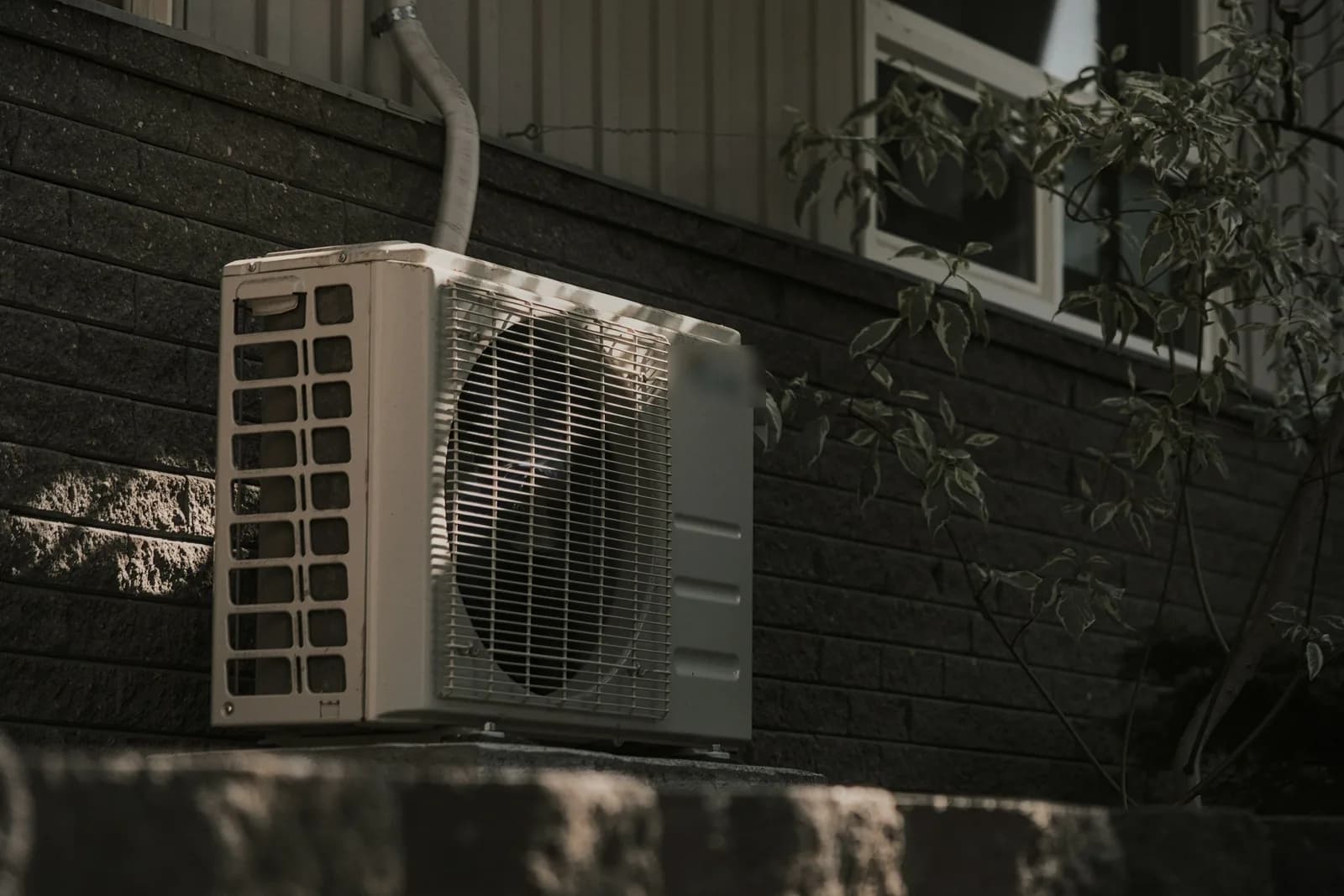
More Heat Pumps & Mini-Splits Services
Serving Augusta & Brunswick
AC Installation FAQs
Is a heat pump or central air better for cooling?
For most homes without existing ductwork, a ductless heat pump wins: no ductwork required, higher efficiency, and it heats in winter as well as cools in summer. Central air only tends to make sense if your home already has good ductwork from a forced-air furnace.
Will a mini-split dehumidify my house?
Yes — properly sized, a mini-split removes humidity as it cools, and most models also have a dedicated dry mode for muggy days that are not especially hot. Oversized systems dehumidify poorly, which is why we size from a load calculation.
How long does AC installation take?
Single-zone installations are typically completed in one day. Multi-zone or whole-home systems take two to three days.
More Ways We Can Help
Google ReviewsService Areas
9Find your town on our service area pages, starting with…
Company
5Helpful pages to start with include…
Services
30You can also count on us for…
Get a Quote
Request Service
Fill out the form below to request an estimate or schedule service.
“*” indicates required fields
Need it today?Call (207) 902-8899