




Boiler Installation
High-Efficiency Systems · Proper Sizing & Design · Clean Copper Piping
Our Approach to Boiler Installation
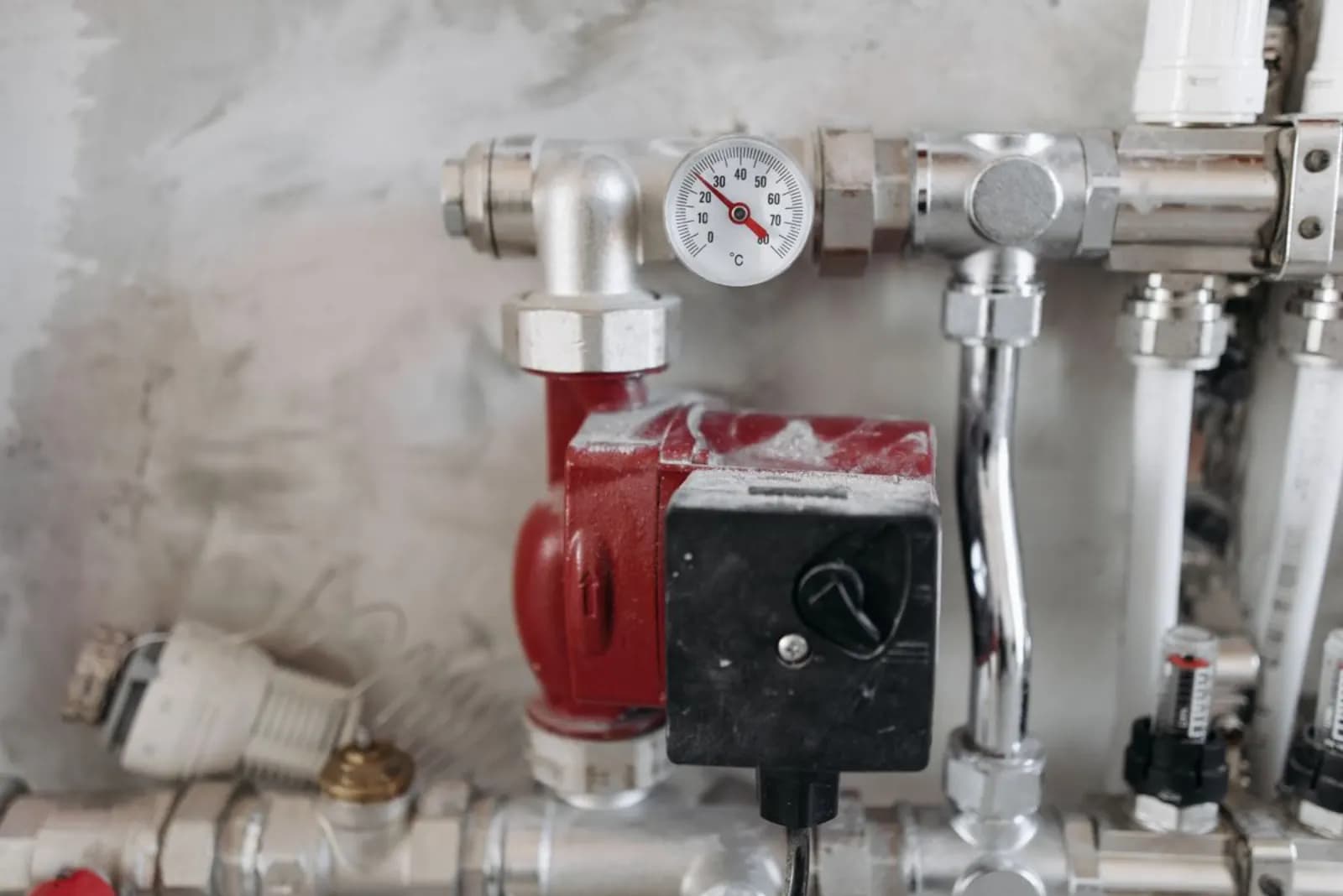
How a Boiler Works
- Burner — ignites fuel to heat the exchanger
- Heat exchanger — heats the water circulating in the loop
- Circulator pump — pushes hot water through the loop
- Expansion tank — absorbs pressure as water heats and expands
- Baseboard loop — hot water out, cooler water returns
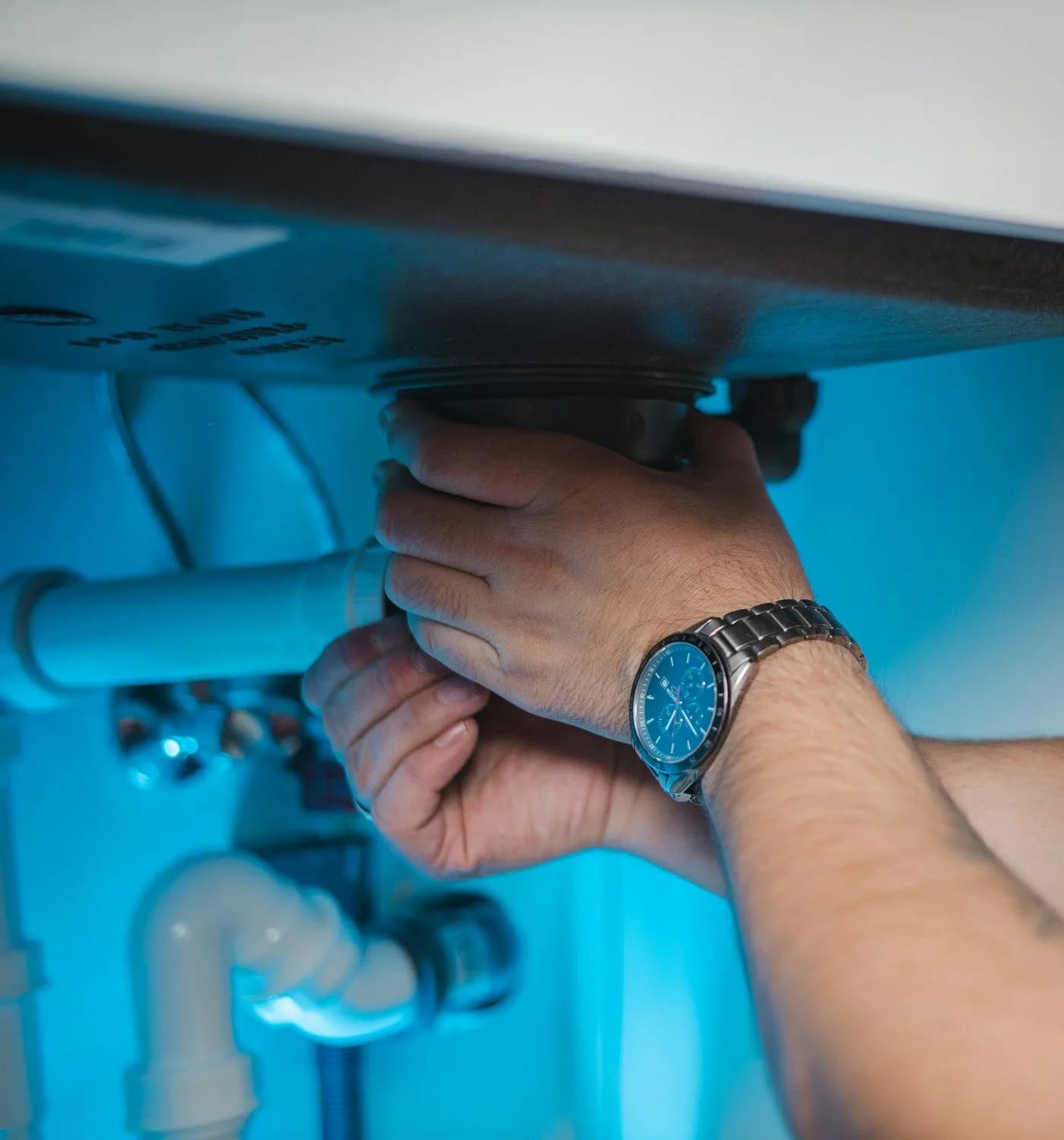
J&R Mechanical Services installs high-efficiency boiler systems designed to keep your home warm through the toughest winters. Every installation is properly sized, cleanly piped, and thoroughly tested before we leave.
We install oil, propane, and natural gas boilers from trusted manufacturers. Our installations feature clean copper piping, properly insulated lines, and professional workmanship that speaks for itself.
Every boiler installation starts with a heat loss calculation to determine the right size system for your home. An oversized boiler wastes fuel and short-cycles, while an undersized system cannot keep up in cold weather. We get the sizing right. Pair your new boiler with a radiant floor heating system for the ultimate in comfort.
We handle complete system installations including boiler placement, piping, zone controls, expansion tanks, and all necessary safety devices. Our work meets or exceeds all applicable codes and manufacturer specifications.
How Do You Choose the Right Boiler?
Three decisions drive the project: fuel, efficiency class, and size. On fuel, most homeowners are choosing between staying on oil, converting to propane, or — where available — natural gas. Oil equipment costs less up front and delivery infrastructure is widely available; propane and gas open the door to compact, ultra-quiet condensing boilers with efficiency in the 90s. We install all three and will price the conversion honestly, including the venting and fuel-line work.
On efficiency, a high-efficiency condensing boiler extracts heat from the exhaust that a conventional boiler sends up the chimney — but condensing boilers only hit their rated numbers when the system runs low return-water temperatures, which depends on your radiators or baseboard. This is exactly the kind of detail a spec-sheet salesman skips and an experienced installer does not: we look at your emitters and tell you which efficiency class your house can actually use.
On size, we perform a heat-loss calculation on your actual home. Contractors who size the new boiler by copying the old one’s nameplate perpetuate decades of oversizing — a boiler that is too big short-cycles, wastes fuel, and wears out sooner.
What Happens During Installation?
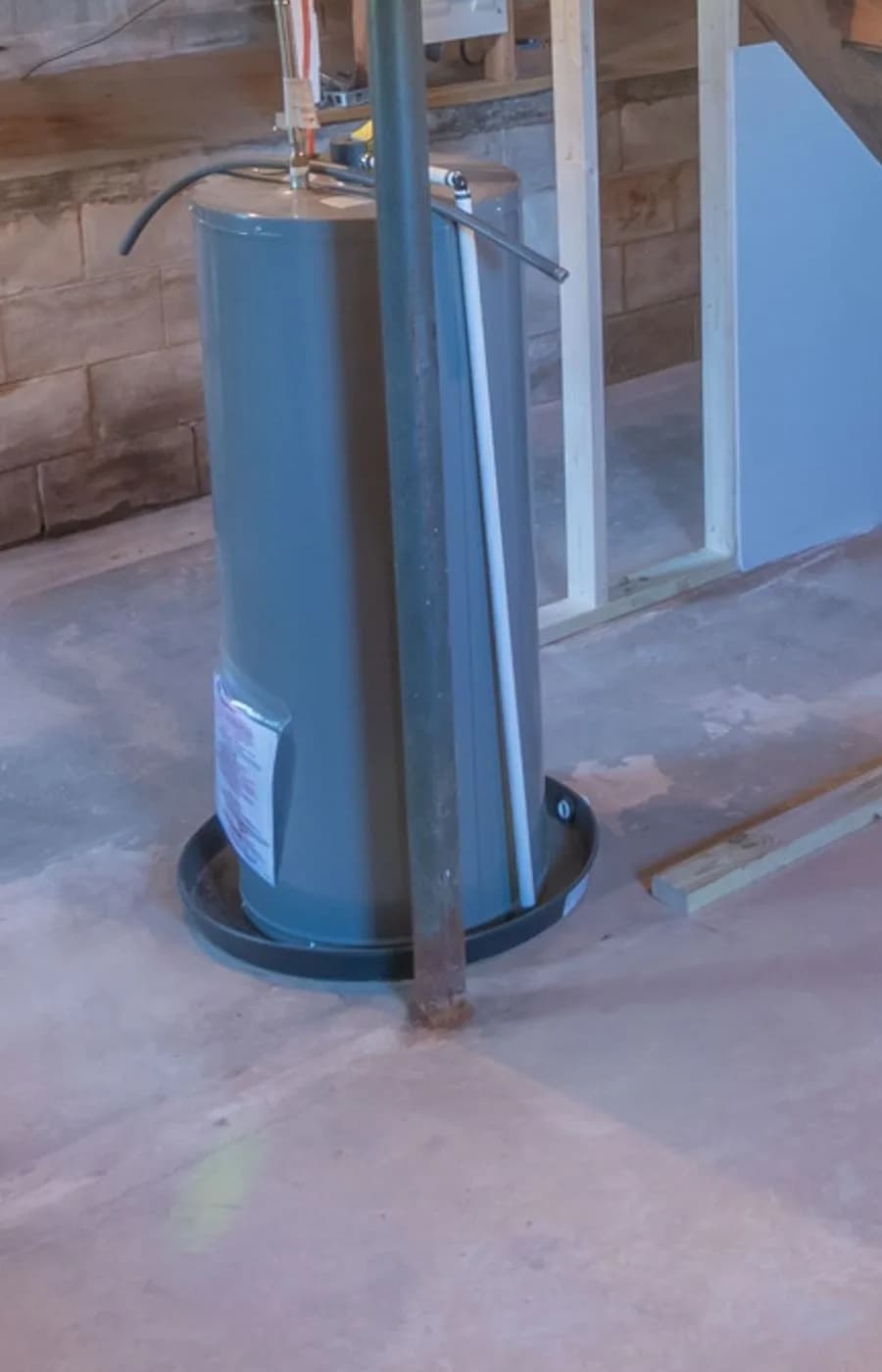
A typical boiler replacement takes one to two days. We drain and remove the old boiler, set and pipe the new one with clean, properly supported copper, install or reuse zone controls and circulators as the design calls for, connect venting and fuel supply, fill and purge the system, and then commission it with a combustion analysis so it leaves tuned — not just running. You get a walkthrough of the new controls, and we work efficiently to minimize how long your home is without heat. Pair the new boiler with radiant floor heating or an indirect water heater and it can carry your domestic hot water too.

Efficiency Maine
Rebates & Guidance
- Rebate
Biomass boiler/furnace rebate
For wood-pellet (biomass) boilers and furnaces, Efficiency Maine rebates 1/3 of project cost up to $6,000; the system must reach at least 70% efficiency and be installed by a Registered Vendor for Biomass Boilers and Furnaces. Standard oil, gas, or propane boilers and furnaces don't currently have an Efficiency Maine rebate.
Source: Efficiency Maine - By the numbers· Apr 23, 2025
Statewide weatherization and oil-savings targets
Efficiency Maine's current three-year plan (through June 2028) targets 9,900 Maine homes weatherized and more than 35 million gallons of heating oil saved statewide over the lifetime of the funded upgrades.
Source: Efficiency Maine
Program details as of Sep 26, 2026. Rebate amounts and eligibility change; confirm current terms at efficiencymaine.com.
Sizing, Venting, and Setup Choices Behind a Boiler Install
A boiler installation involves more decisions than picking a brand. How the new boiler is sized, how it's vented, whether it also handles domestic hot water, and how its control manages water temperature all affect comfort and fuel use for the life of the system. This guide walks through those choices using manufacturers' own installation and service manuals.
Two Ways to Size a Boiler
The current industry standard for sizing heating equipment is ACCA Manual J, described by the Air Conditioning Contractors of America as "the national ANSI-recognized standard for producing HVAC equipment sizing loads for single-family detached homes" — a room-by-room heat-loss calculation based on the home's insulation, windows, and local design temperature. ACCA notes that "a proper load calculation, performed in accordance with the Manual J... procedure, is required by national building codes and most state and local jurisdictions," so it isn't an optional extra step. Manual J is the right method for a full re-pipe or a home where the heating history isn't known.
When a boiler is being replaced on an existing hydronic system — the same baseboard, radiators, or radiant loops staying in place — installers commonly size instead to the connected radiation, a method boiler manufacturers build into their own ratings. Weil-McLain's boiler manual, for example, publishes a "Net AHRI" rating for each model specifically for matching "net installed radiation of sufficient quantity for the requirements of the building," based on a piping and pickup allowance of 15%. Either method beats copying the old boiler's nameplate Btu rating, which just carries forward whatever oversizing the original installer built in.
Chimney Liner or Plastic Vent Pipe
Oil boilers still depend on a chimney for draft, and that chimney has to be sized and lined correctly. Burnham's installation manual for its EMP oil boiler puts it plainly: a masonry chimney must be lined with a listed chimney lining system, and "under no circumstances shall a chimney constructed of brick only be used." An oversized or exterior chimney also needs a listed corrosion-resistant metal liner, because it's more prone to flue-gas condensation. The same manual sets a minimum draft of 0 inches water column at the boiler's breech connection, with up to -0.03 inches acceptable — a number a technician checks with a manometer, not something read off a gauge in the basement.
Condensing gas and propane boilers don't use a chimney at all. The installation manuals for the Weil-McLain Evergreen, Buderus GB142, Navien NCB-H, and Burnham Alpine all specify the same category of venting: 2- to 4-inch PVC, CPVC, or approved polypropylene pipe, run as a sealed, direct-vented "Category IV" system straight through a wall or roof.
| Boiler type | Vent material | Key requirement |
|---|---|---|
| Cast-iron oil boiler | Masonry or metal chimney | Inspected per NFPA 211 before new equipment goes in; an unlined brick-only chimney can't be used, per Burnham's installation manual |
| Condensing gas/propane boiler | PVC, CPVC, or approved polypropylene, 2–4 inches depending on model | Direct-vented (Category IV, sealed combustion), confirmed across the Weil-McLain Evergreen, Buderus GB142, Navien NCB-H, and Burnham Alpine manuals |
Pairing With an Indirect Water Heater
An indirect water heater is an insulated tank with the boiler's hot water circulated through an internal coil, so the boiler's own burner — not a second burner or heating element — makes the domestic hot water. Weil-McLain's control manual shows how the pairing is typically wired: "Priority 1" is set up for the domestic hot water tank by default, and a call for hot water "will turn off lower priorities during DHW calls," meaning the space-heating zones wait a few minutes while the tank recovers. That priority scheme is what lets an indirect tank deliver a strong, sustained hot-water flow rate — it borrows the boiler's full output instead of sharing it.
What Outdoor Reset Actually Does
Outdoor reset is a control strategy that lowers the water temperature the boiler produces as the outdoor temperature rises, instead of sending out the same hot supply water on a 45°F day as on a 0°F day. Weil-McLain's Evergreen control manual lays out the two anchor points an installer sets: a "SUPPLY MAX" temperature for the coldest day the system is designed around (180°F is the manual's own example for finned-tube baseboard) paired with an "OD RESET MIN" outdoor temperature (0°F in the same example), and a "SUPPLY MIN" for the mildest day the system still runs, paired with an "OD RESET MAX" (70°F in the example, where supply and room temperature are equal and the system delivers essentially no heat). Between those two points, the control calculates a sliding target rather than an on/off supply temperature.
The payoff is a boiler that spends more of the season producing cooler water, which matters directly for condensing boilers, since they only reach their rated efficiency at lower return-water temperatures.
Ask your installer to show you the outdoor reset curve programmed for your specific radiation — finned-tube baseboard, cast-iron radiators, and radiant floor each call for a different SUPPLY MAX setting.
Sources: ACCA – Manual J Residential Load Calculation · Weil-McLain Evergreen Pro 110/155 Boiler Manual · Weil-McLain Evergreen Pro 110/155 Series 1 Advanced Manual (control settings, outdoor reset) · Burnham EMP Installation & Service Manual (chimney venting and draft) · Buderus Logamax plus GB142 Installation Instructions · Navien NCB-H Installation and Operation Manual · Burnham Alpine Installation, Operating & Service Instructions
Local & Independent
J&R Mechanical Services is an independent contractor — not a national franchise. Our technicians are not commissioned salespeople. We do the work you called us for, do it right, and earn the next call.
More Boilers & Hydronic Heating Services
Serving Augusta & Brunswick
Boiler Installation FAQs
How long does a boiler last?
A well-maintained cast-iron boiler commonly runs twenty to thirty years; high-efficiency condensing boilers typically last fifteen to twenty. Annual maintenance is the biggest factor — a neglected boiler gives up years early, a serviced one keeps going.
How long will I be without heat during the swap?
Most replacements are completed in one to two days, and we plan the changeover so your home is without heat for the shortest window possible.
Should I convert from oil to propane or natural gas?
It depends on fuel availability at your address, your current equipment’s age, and long-term fuel pricing. Conversions unlock quiet, compact high-efficiency boilers, but they carry added venting and fuel-line costs. We install oil, propane, and gas systems, so our recommendation is not biased toward any one answer.
What boiler brands do you install?
We install a range of trusted manufacturers and match the brand and model to your system design rather than pushing a single house brand.
More Ways We Can Help
Google ReviewsServices
30Homeowners often pair this with our other offerings, including…
Service Areas
9Our primary service areas are Augusta and Brunswick, along with…
Company
5Get to know J&R Mechanical Services through…
Get a Quote
Request Service
Fill out the form below to request an estimate or schedule service.
“*” indicates required fields
Need it today?Call (207) 902-8899