
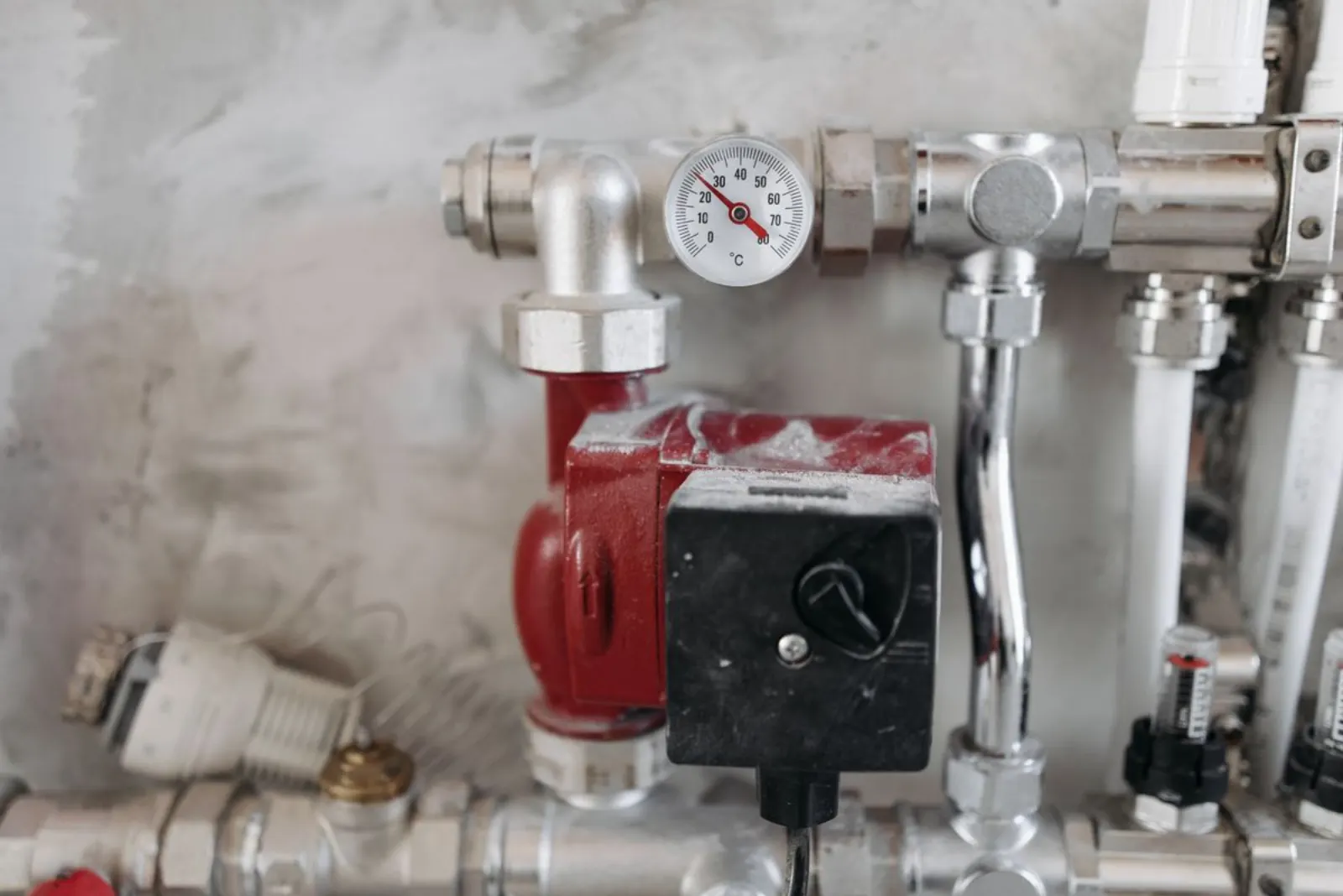
Radiant Floor Heating
Even Heat Distribution · Energy Efficient · Silent Operation
Our Approach to Radiant Floor Heating
Radiant floor heating delivers warm, even comfort from the ground up — no drafts, no noise, and no dust blowing through ducts. J&R Mechanical Services installs hydronic radiant floor systems for new construction and renovations.
Hydronic radiant floor heating works by circulating warm water through PEX tubing installed beneath your floors. The heat radiates evenly across the floor surface, warming the room from the bottom up for consistent, draft-free comfort.
We install radiant systems in concrete slabs, under wood subfloors, and in staple-up configurations. Each system is designed with proper tube spacing, zone controls, and manifold sizing to ensure even heat distribution throughout your home. A new high-efficiency boiler is the ideal companion for a radiant floor system.
Radiant floor heating pairs perfectly with high-efficiency boilers and can also work with heat pump water heaters. We design each system based on your home, your floors, and your heating goals. Reach out for a consultation on radiant floor heating for your home.
Where Radiant Floor Heat Makes Sense
New construction and gut renovations are the sweet spot — tubing goes into the slab or subfloor while everything is open, and the whole home can run on silent, even radiant heat. In existing homes, the best-value targets are the rooms where cold floors actually hurt: bathrooms, kitchens, mudrooms, and basement or garage slabs being finished into living space. Staple-up installation under an accessible subfloor lets us retrofit radiant into first-floor rooms without tearing up the finished floor.
Radiant is also one of the most comfortable options for cold-climate winters in a physical sense: the warmth lives at floor level where you are, instead of stratifying at the ceiling, and there is no blower pushing dust or drying the air. Design is everything, though — tube spacing, water temperature, zoning, and floor covering all interact, and a poorly designed radiant floor is expensive to correct. We engineer each system before a foot of PEX is stapled.
How Radiant Floor Heating Saves on Operating Cost
Radiant systems run low water temperatures, which is exactly where high-efficiency condensing boilers do their best work — the pairing routinely operates more efficiently than baseboard on the same boiler. Because the floor itself is the radiator, rooms feel comfortable at lower thermostat settings, which shaves fuel use further. Installed cost varies with the installation type, so we quote per project after seeing the space — and the quote is firm.
Local & Independent
J&R Mechanical Services is an independent contractor — not a national franchise. Our technicians are not commissioned salespeople. We do the work you called us for, do it right, and earn the next call.
More Boilers & Hydronic Heating Services
Radiant Floor Heating FAQs
Does radiant floor heating work under wood and tile floors?
Yes. Tile and stone are the best conductors and feel warmest; engineered wood and many hardwoods work well when water temperatures are designed for them; even carpet can work with the right pad. We design the tube layout and water temperature around your specific floor covering.
Can radiant floors heat my whole house?
Yes — with a properly done heat-loss calculation and design, hydronic radiant can be the sole heat source for a home. In retrofits, many homeowners run radiant in key rooms and keep baseboard or a heat pump elsewhere, all off the same boiler with separate zones.
Is radiant floor heating efficient?
Very. Radiant runs low water temperatures that let condensing boilers operate at peak efficiency, distributes heat without duct losses, and keeps warmth at occupant level — so most homes feel comfortable at a lower thermostat setting than with forced air.
Can you add radiant heat to an existing room?
Often yes. If the subfloor is accessible from below (an unfinished basement under a kitchen, for example), staple-up radiant installs without disturbing the finished floor. Bathrooms and kitchens being remodeled are the other classic opportunity.
How long does a radiant floor system last?
The PEX tubing itself is typically rated for fifty-plus years — it generally outlives the boiler feeding it. The system has no moving parts in the floor; circulators and controls at the boiler are the only components that ever need service.
More Ways We Can Help
Company
Connect with our team via…
Services
We provide complete HVAC and plumbing service, including…
Service Areas
We cover Kennebec and Cumberland County, including…
Get a Quote
Request Service
Fill out the form below to request an estimate or schedule service.
“*” indicates required fields
Need it today?Call (207) 902-8899