






Boiler Maintenance
Annual Tune-Up Service · Combustion Analysis · Safety Control Testing
Our Approach to Boiler Maintenance
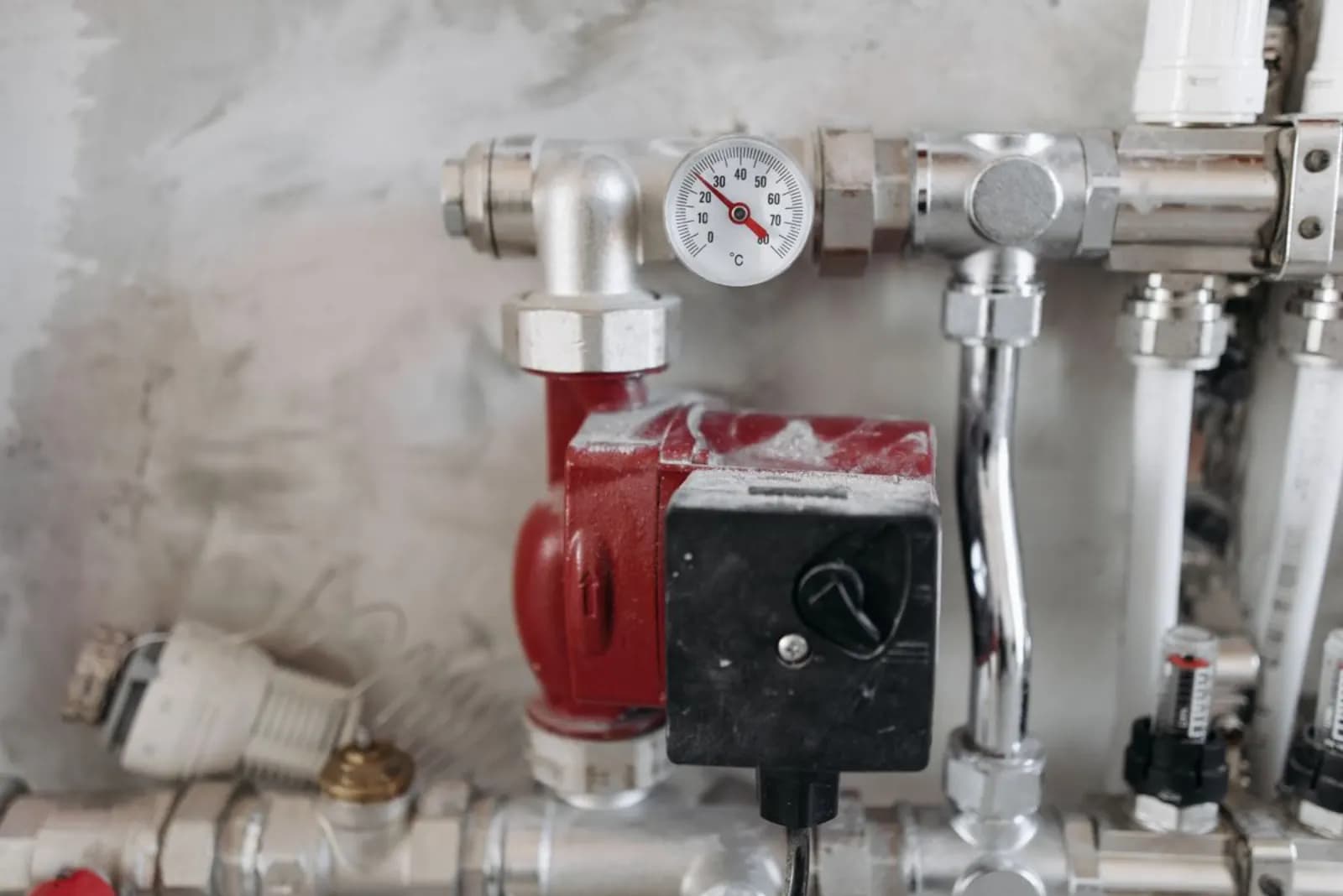
How a Boiler Works
- Burner — ignites fuel to heat the exchanger
- Heat exchanger — heats the water circulating in the loop
- Circulator pump — pushes hot water through the loop
- Expansion tank — absorbs pressure as water heats and expands
- Baseboard loop — hot water out, cooler water returns
A well-maintained boiler is a safe and efficient boiler. J&R Mechanical Services provides thorough annual maintenance service that keeps your heating system running reliably and helps prevent mid-winter breakdowns.
Our boiler maintenance includes cleaning the heat exchanger, testing and adjusting combustion, checking all safety controls, inspecting the venting system, testing water pressure and expansion tank, and examining all piping and connections for leaks.
Regular maintenance also improves efficiency. A clean, properly tuned boiler uses less fuel and heats more evenly. Most manufacturers require annual maintenance to maintain warranty coverage. While we are there, we can also service your water heater to keep your entire system running smoothly.
We recommend scheduling your boiler maintenance in early fall, before the heating season begins. This gives you peace of mind knowing your system is ready for winter and any issues can be addressed before you need heat.
What Is Included in a Boiler Tune-Up?
A real boiler tune-up is more than a quick look and a sticker on the jacket. When a J&R Mechanical Services technician services your boiler, the visit follows a full checklist: we brush and vacuum the heat exchanger and flue passages to remove soot and scale, replace the oil nozzle and oil filter on oil-fired systems, clean and inspect the burner assembly, and check the electrodes and ignition system.
Then we verify the system with instruments, not guesswork. That means a combustion analysis to measure efficiency, smoke, draft, and CO — with the burner adjusted until the numbers are right — plus testing every safety control: the high-limit aquastat, low-water cutoff, pressure relief valve, and carbon monoxide levels at the appliance. We check system water pressure, the expansion tank, circulator pumps, zone valves, and every visible pipe and connection for leaks, and we bleed air from the system where needed.
Before we leave, you get a plain-English rundown of what we found, what we did, and anything worth watching. If something is wearing out, we tell you what it is and how urgent it actually is — then the decision is yours. Nobody on our team is paid a commission to sell you parts you do not need.
Why Annual Boiler Service Matters
Homes that heat with oil rely on exactly the systems that cannot skip their annual cleaning. Oil combustion leaves soot behind, and soot is an insulator: even a thin layer on the heat exchanger can cut efficiency noticeably, which you pay for on every fuel delivery. A plugged nozzle or dirty burner can also cause hard starts, sooting events that coat your basement, or a no-heat call on the coldest night of the year.
Gas and propane boilers burn cleaner, but they still need annual attention — condensate traps clog, venting corrodes, burners drift out of adjustment, and safety controls only prove they work when someone actually tests them. Annual service is also what protects you from the serious risks: a blocked flue or cracked heat exchanger can put carbon monoxide into your home, and CO problems are almost always caught during routine maintenance, not after.
There is a financial case too. Most manufacturers require documented annual service to keep warranty coverage, a tuned boiler burns noticeably less fuel over a winter, and a maintained system simply lasts longer. An hour of maintenance each fall is cheap insurance against a mid-winter breakdown or a premature replacement.
Signs Your Boiler Is Overdue for Service
If it has been more than a year since your last cleaning, you are due — but your boiler will often tell you first. Watch for rising fuel use without a colder winter to explain it, a smoky or oily smell near the boiler, black soot around the burner or draft hood, short-cycling (firing on and off rapidly), gurgling or banging pipes, radiators that heat unevenly, or a burner flame that looks yellow or lazy instead of steady.
Any of those symptoms means the system is working harder than it should, and some of them — soot, odd smells, flame problems — deserve a prompt call rather than a spot on the fall list. If your boiler has already reached the point of leaks or no heat, our boiler repair team can diagnose it, and if it is time to weigh replacement, we will give you an honest read on repair versus a new high-efficiency boiler with real numbers, not pressure.
What's Actually in an Annual Boiler Tune-Up
Oil and gas condensing boilers wear differently, so their annual service checklists aren't the same. The lists below come from two manufacturers' own installation and service manuals — Burnham's cast-iron oil boiler manual and Navien's condensing combi manual — lined up side by side, rather than from a generic "tune-up" description that treats every fuel type the same way. Knowing what's actually supposed to happen during the visit is also the best way to tell a thorough technician from a rushed one.
Annual Checklist: Oil vs. Gas Condensing
| Task | Oil boiler | Gas condensing boiler |
|---|---|---|
| Burner nozzle | Replaced — the manufacturer ships a nozzle matched to a specific flame shape and CO2 target, and warns that substitutes "may not perform at the expected level" | Not applicable |
| Fuel filter | Inspected and typically replaced; the manual recommends a supply-line filter plus a high-efficiency micron filter to protect the nozzle | Not applicable |
| Heat exchanger / flueways | Brushed clean — the manual has technicians push a wire brush through each flue pass until it's clear of soot, then vacuum the combustion chamber | Inspected for scale; the condensate side is checked for blockage rather than brushed for soot |
| Combustion test | CO2 and smoke checked with a calibrated analyzer at high and low fire | CO2 and CO checked with a calibrated analyzer against the maker's target range |
| Draft | Checked at the breech with a manometer; the manual calls for 0 in. w.c. minimum, up to -0.03 in. w.c. acceptable | Not applicable — sealed-combustion boilers don't rely on natural draft |
| Condensate trap | Not applicable | Cleaned out annually; Navien's manual notes it can collect debris |
| Condensate neutralizer | Not applicable | Media checked annually; Navien specifies replacing it once the outlet pH drops below 6.0 |
| Chimney / vent inspection | Checked for soot, corrosion, and obstruction before the heating season, per NFPA 211 | Vent pipe and terminations checked for physical damage; no chimney involved |
Why Combustion Analysis Matters
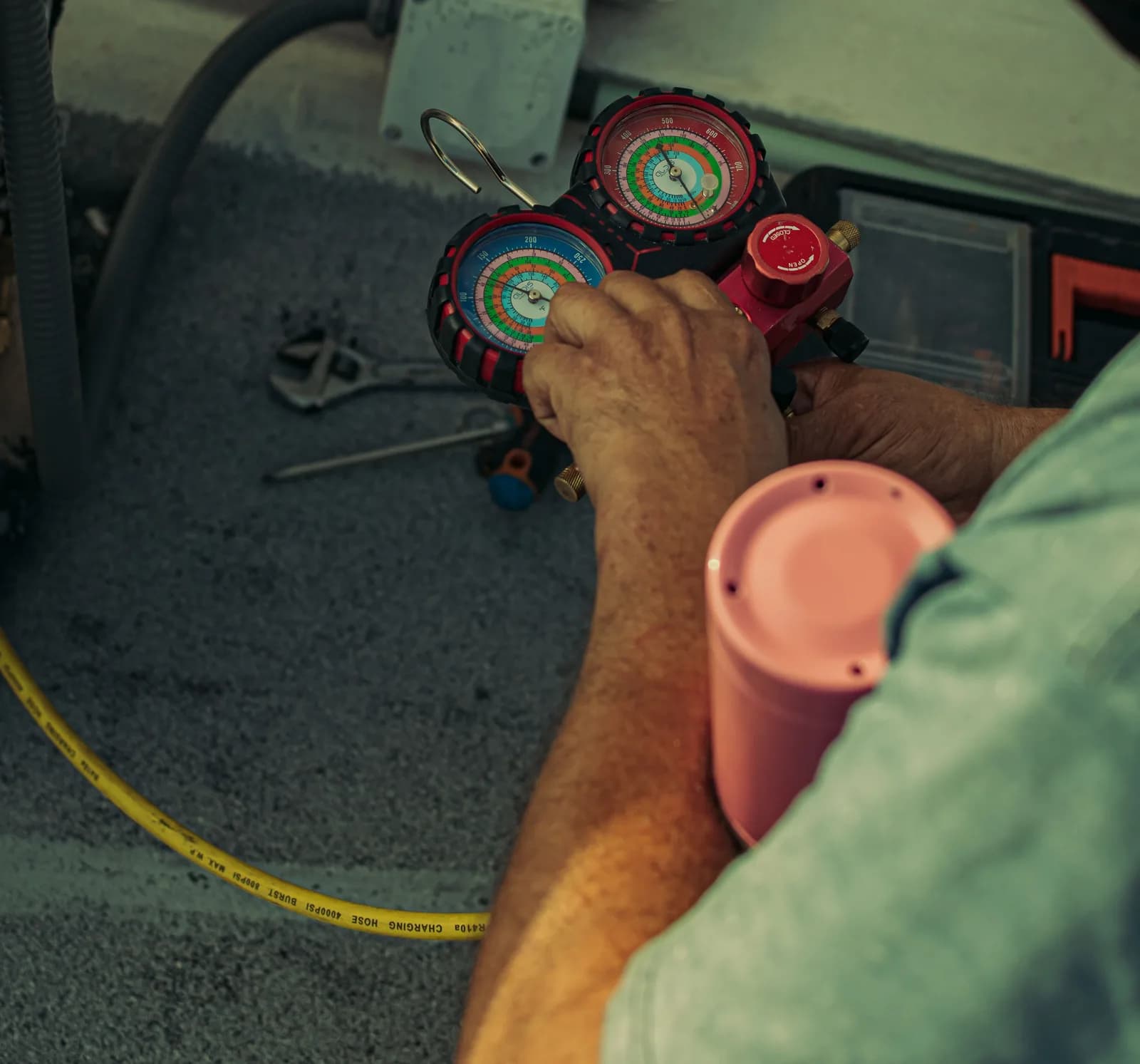
A combustion analyzer measures two things a visual check can't: how much CO2 is in the exhaust (a proxy for how completely the fuel is burning, and how much heat is being wasted up the flue) and how much carbon monoxide it contains. Weil-McLain's own boiler manual publishes the acceptable combustion range for its Evergreen line — roughly 9% to 10.5% CO2 depending on model and fuel, with carbon monoxide required to stay under 150 ppm at high fire and 50 ppm at low fire — and states plainly that boiler behavior like "difficulty igniting, poor flame stability... or high carbon monoxide values" is a sign combustion needs to be checked. A boiler that looks and sounds fine can still be putting out CO above a safe level; a combustion analyzer is the only way to know for sure. The same manual also notes that these target numbers shift with elevation and with whether the jacket door is on or off during the test, which is part of why a printed target range from the manufacturer, not a rule of thumb, is what a technician should be checking against.
Ask to see the actual combustion analyzer printout from your tune-up, not just a verbal "it's fine" — the CO2 and CO numbers on it are the real record of how the burner is running, and a dated printout gives you something to compare against next year's visit.
Two Systems, Two Failure Patterns
The pattern in the table above comes down to what each fuel leaves behind. Oil combustion deposits soot on the heat exchanger every heating season, which is why the manufacturer's manual treats brushing the flueways as routine, annual work. Gas condensing boilers don't soot up the same way, but they produce acidic condensate that has to drain and be neutralized — miss that step, and Navien's manual points to the more likely failure: a clogged trap or exhausted neutralizing media, not a dirty heat exchanger.
The Low Water Cutoff Gets Its Own Annual Check
A low water cutoff is a safety device, not a wear part, but it still needs yearly attention. Burnham's oil boiler manual is specific about it: "probe and float type low water cut-off devices require annual inspection and maintenance," because the probe sits in the boiler water and is "subject to fouling" from scale or sediment even though it's solid-state. The documented procedure has a technician remove the probe, inspect and clean it, reinstall it with fresh pipe dope, refill the boiler, and then fire the burner to boil the fresh water briefly and drive off dissolved oxygen before returning the system to service. The same category of device shows up on gas boilers too, which is part of why a tune-up checklist covers more than just the burner — a device that's only supposed to act in an emergency is exactly the kind of part that goes unnoticed until the one day it has to work.
What Removing the Flue Baffles Trades Away
Oil boilers ship with flue baffles that slow the exhaust gas down inside the heat exchanger so it gives up more heat before leaving the boiler. Burnham's manual is explicit that these baffles are part of how the boiler earns its rated efficiency, and that no other baffle should be substituted. It also notes a real trade-off some technicians use to solve a different problem: pulling the baffles increases the flue gas temperature, which raises chimney draft and reduces the chance of flue-gas condensation in a marginal chimney — at the direct cost of efficiency, since "the lower the CO2 level the higher the stack temperature." That's a documented, deliberate adjustment a technician might make for a specific chimney, not something to try without a combustion analyzer to confirm the boiler is still burning cleanly afterward. If your annual visit ever includes a conversation about baffles coming out, it's worth asking why, and asking to see the before-and-after combustion numbers.
Local & Independent
J&R Mechanical Services is an independent contractor — not a national franchise. Our technicians are not commissioned salespeople. We do the work you called us for, do it right, and earn the next call.
More Boilers & Hydronic Heating Services
Serving Augusta & Brunswick
Boiler Maintenance FAQs
How often should a boiler be serviced?
Once a year, every year. For oil-fired boilers this is non-negotiable — oil combustion builds up soot that steadily chokes efficiency and can lead to breakdowns or sooting events. Gas and propane boilers should also be checked annually to keep the burner tuned, venting clear, and safety controls verified.
What happens if I skip annual boiler maintenance?
Efficiency drops as soot and scale build up, so you burn more fuel for the same heat. Small problems like a worn nozzle or weak ignition go unnoticed until they become a no-heat emergency, manufacturer warranties can be voided, and safety issues such as blocked venting or carbon monoxide leaks go undetected.
When is the best time to schedule boiler service?
Late summer or early fall, before the heating season starts. You beat the first-cold-snap rush, and any parts or repairs the tune-up uncovers can be handled before you actually need the heat.
Is boiler maintenance different for oil versus gas or propane?
Yes. Oil boilers need a full annual cleanout — soot removal from the heat exchanger and flue, a new oil nozzle, and a new oil filter — plus combustion adjustment. Gas and propane boilers burn cleaner but still need burner inspection, combustion analysis, condensate and venting checks, and safety-control testing every year. We service all three fuel types.
Will you try to sell me a new boiler during a maintenance visit?
No. Our technicians are not commissioned and have no upsell quotas. If your boiler is nearing the end of its life we will tell you honestly and give you real numbers, but a tune-up with us is a tune-up, not a sales appointment.
More Ways We Can Help
Google ReviewsServices
30We provide complete HVAC and plumbing service, including…
Service Areas
9Our primary service areas are Augusta and Brunswick, along with…
Company
5Connect with our team via…
Get a Quote
Request Service
Fill out the form below to request an estimate or schedule service.
“*” indicates required fields
Need it today?Call (207) 902-8899