





Boilers & Hydronic Heating
Reliable heating diagnostics, maintenance, and installations for cold-weather comfort.
Boiler Installation & Replacement · Hydronic Heating Systems · Annual Maintenance & Diagnostics
Our Approach to Boilers & Hydronic Heating
How a Boiler Works
- Burner — ignites fuel to heat the exchanger
- Heat exchanger — heats the water circulating in the loop
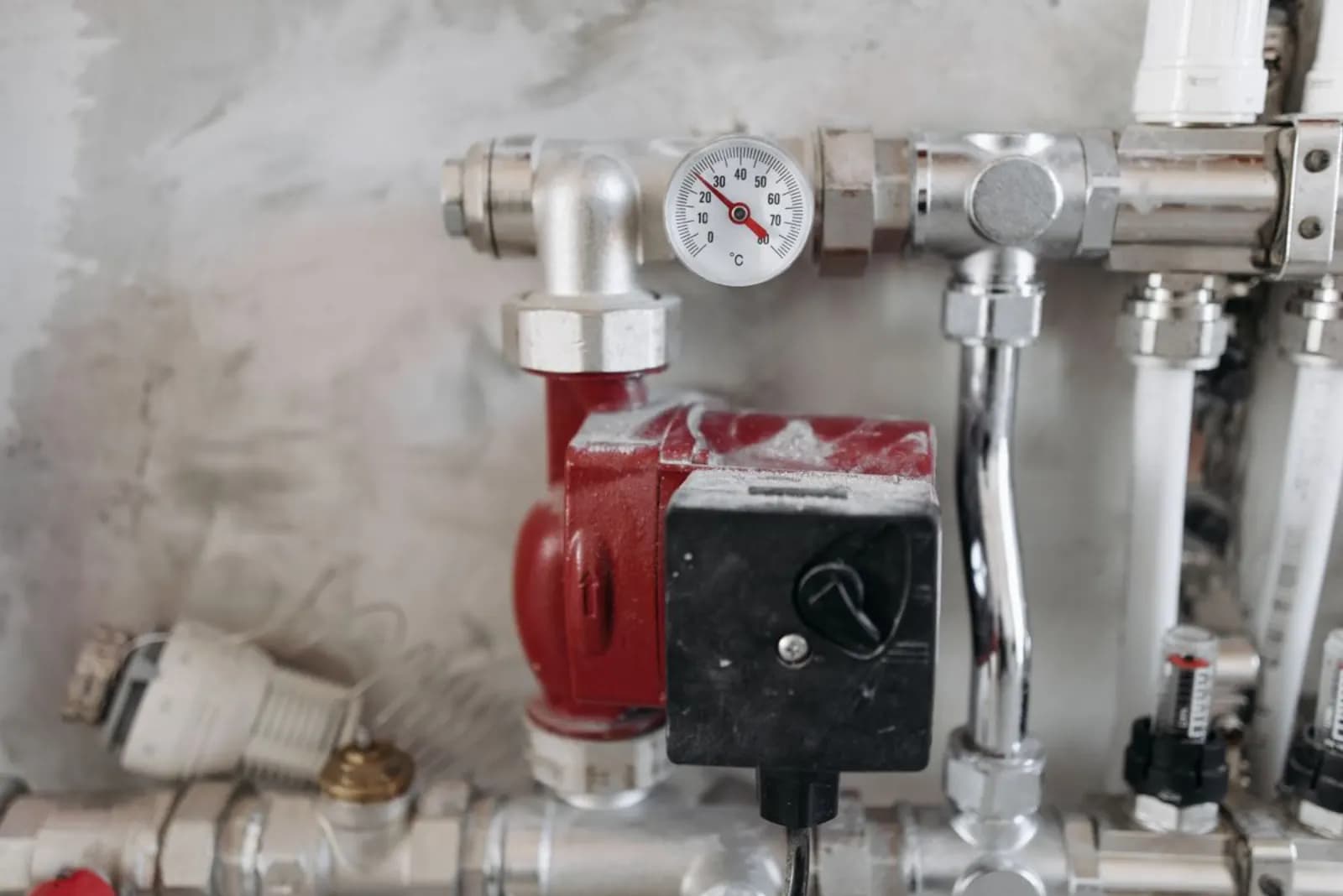
- Circulator pump — pushes hot water through the loop
- Expansion tank — absorbs pressure as water heats and expands
- Baseboard loop — hot water out, cooler water returns
When temperatures drop, your boiler needs to perform. J&R Mechanical Services provides diagnostics, maintenance, repairs, and full replacements for boiler and hydronic heating systems.
We work with oil, propane, and natural gas boilers, handling everything from routine tune-ups to complete system replacements. Our technicians diagnose issues accurately the first time, so you get the right fix without paying for unnecessary parts or labor. If your boiler is beyond repair, we can also help you explore alternatives like a high-efficiency furnace for forced-air heating.
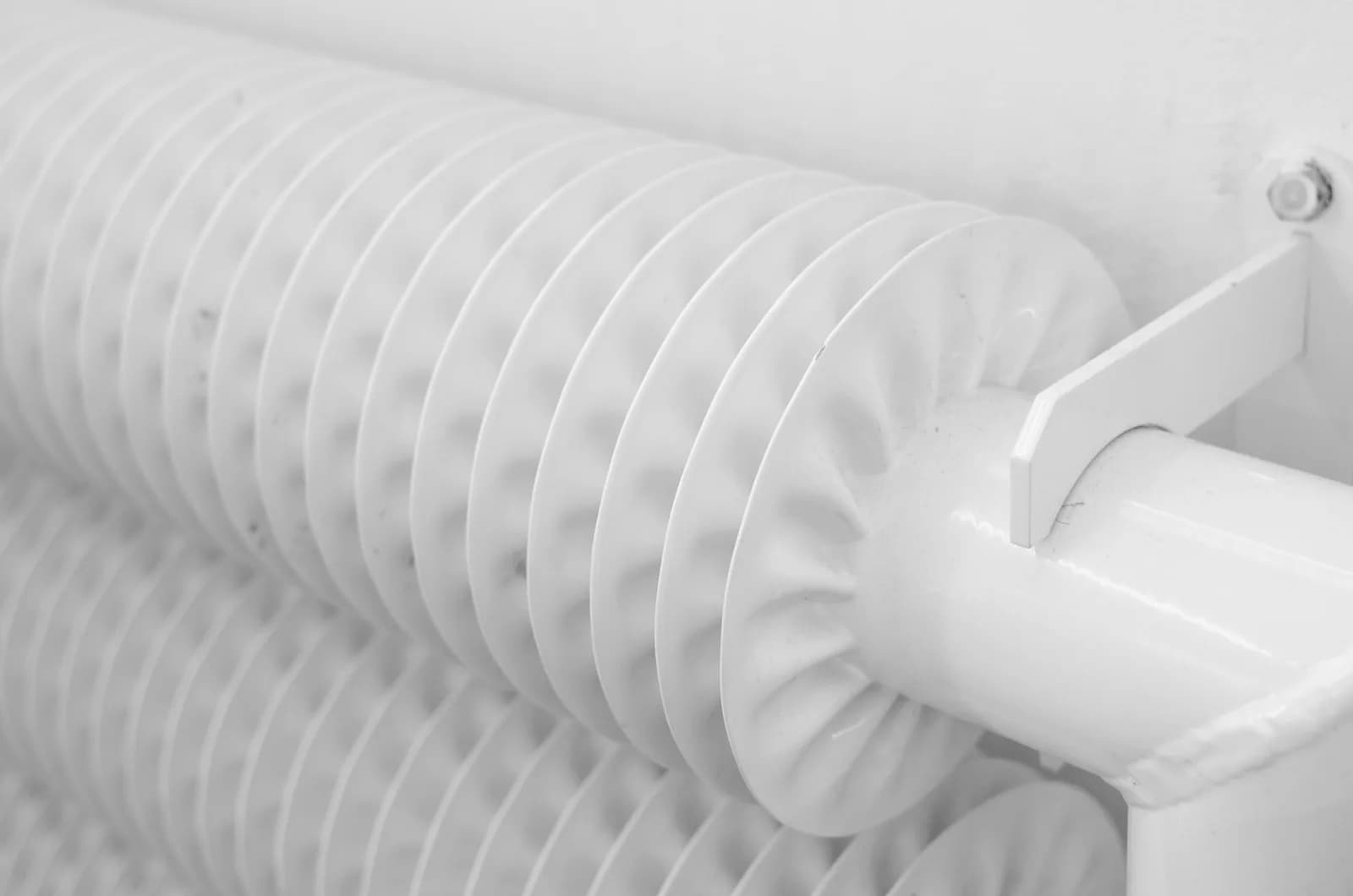
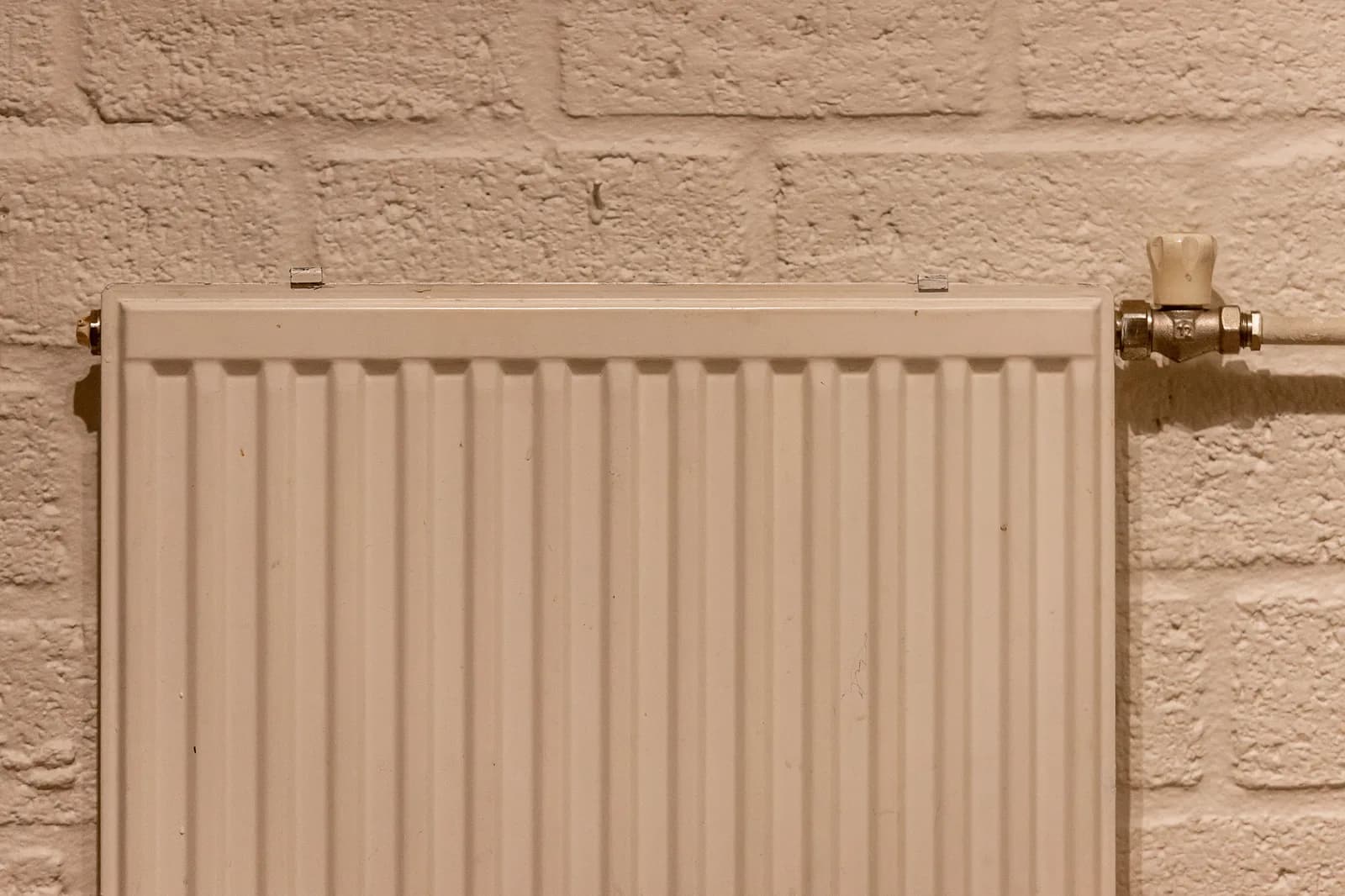
Hydronic heating systems — including baseboard, radiant floor heating, and radiator systems — require specialized knowledge. We have the experience to install, repair, and maintain these systems properly, ensuring even heat distribution and long equipment life.
A well-maintained boiler is a safe and efficient boiler. Our annual maintenance service includes a thorough inspection, cleaning, and testing of all safety controls. When it is time to upgrade, we pair new boiler systems with modern water heater solutions for efficiency. Contact us to schedule boiler service.
Our Approach
We are honest about what your system needs. If a repair will get you through, we will tell you. If replacement makes more sense, we will explain why. No pressure, no upselling — just straight talk and quality work.
Boilers & Hydronic Heating Services
Equipment We Work On
Serving Augusta & Brunswick

Efficiency Maine
Rebates & Guidance
- Rebate
Biomass boiler/furnace rebate
For wood-pellet (biomass) boilers and furnaces, Efficiency Maine rebates 1/3 of project cost up to $6,000; the system must reach at least 70% efficiency and be installed by a Registered Vendor for Biomass Boilers and Furnaces. Standard oil, gas, or propane boilers and furnaces don't currently have an Efficiency Maine rebate.
Source: Efficiency Maine - Recommendation
Check your AFUE rating
Efficiency Maine recommends checking your boiler or furnace's AFUE efficiency rating and considering a condensing model, which extracts extra heat from combustion exhaust, to cut fuel use, even though no rebate applies to standard fossil-fuel units.
Source: Efficiency Maine - By the numbers· Apr 23, 2025
Statewide weatherization and oil-savings targets
Efficiency Maine's current three-year plan (through June 2028) targets 9,900 Maine homes weatherized and more than 35 million gallons of heating oil saved statewide over the lifetime of the funded upgrades.
Source: Efficiency Maine
Program details as of Sep 26, 2026. Rebate amounts and eligibility change; confirm current terms at efficiencymaine.com.
Boiler Types and Major Brands, Explained
Most Maine homes with a boiler have one of three basic types: an older cast-iron boiler fired by oil, a modern condensing boiler fired by gas or propane, or a combi boiler that also makes domestic hot water on demand. The type installed determines how efficiently it burns fuel, what it vents into, and what it costs to run. This guide compares the three types side by side, then looks at five boiler brands found in the field, with the AFUE rating of each brand's current flagship residential line, taken from the manufacturers' own manuals and spec sheets.
AFUE (Annual Fuel Utilization Efficiency) measures how much of the fuel's heat content ends up as usable heat over a full year, after startup and standby losses are counted. The federal government sets a minimum AFUE standard, and ENERGY STAR certifies boilers that beat it by a meaningful margin — 90% or higher for gas boilers, versus a federal minimum around 84%, and 87% or higher for oil boilers, versus a federal minimum around 86%. AFUE and heating-capacity ratings for both are certified by AHRI, the industry's independent testing body, so the numbers below are comparable across brands.
Cast-Iron Oil, Condensing Gas/Propane, and Combi Boilers Compared
Cast-iron boilers burn oil and vent up a chimney; because they don't condense the flue gas, their efficiency tops out well below the gas condensing designs. Condensing gas and propane boilers pull extra heat out of the exhaust before it leaves the building, which is also why they vent through ordinary plastic pipe instead of a chimney. Combi boilers are condensing gas or propane boilers built to also heat domestic hot water on demand, without a separate storage tank.
| Type | Typical AFUE | Venting | Fuel |
|---|---|---|---|
| Cast-iron oil boiler | 85–87% on U.S. Boiler Company's current oil lineup; ENERGY STAR requires 87%+, federal minimum is about 86% | Masonry or metal chimney, often needs a listed liner | Oil |
| Condensing gas/propane boiler | 90–97%; ENERGY STAR requires 90%+ for gas | PVC, CPVC, or approved polypropylene pipe, direct-vented as a Category IV appliance | Natural gas or propane |
| Combi boiler | Around 95% on the models reviewed here | Same plastic direct-vent piping as other condensing boilers | Natural gas or propane |

Weil-McLain
Weil-McLain's flagship residential condensing line is the Evergreen Pro, built in five sizes from 110,000 to 399,000 Btu/hr input. The manufacturer's own boiler manual rates the two smallest models, the 110 and 155, at 95.0% and 95.1% AFUE, both certified by AHRI. Evergreen boilers must be direct-vented through 3-inch PVC pipe as a Category IV appliance — a chimney cannot be used with this line.

Burnham
Burnham is a boiler brand of U.S. Boiler Company. Its flagship residential condensing line, the Alpine, is rated at 95% AFUE across its six sizes (80,000 to 399,000 Btu/hr input) per the manufacturer's product data sheet, and vents through PVC or CPVC pipe with a CPVC-to-PVC adapter kit. U.S. Boiler Company still sells cast-iron oil boilers for homes staying on oil — its EMP and MPO-IQ lines are rated at 87% AFUE and the MegaSteam steam boiler at 86%, per the same product line-up.

Buderus
Buderus boilers are still common in Maine basements, but Bosch, which owns the Buderus brand, now lists Buderus residential boilers — including the Logamax plus GB142 — on its own "discontinued products" documentation page and sells its current condensing lineup under the Bosch name. The GB142's own service manual rates its thermal efficiency at 88% at full firing rate and up to 97% at part load with low return-water temperature. That isn't the same test as AFUE, but it illustrates how much a condensing boiler's real-world efficiency depends on the water temperature it's actually piped to run. The GB142 vents through PVC or CPVC pipe.

Navien
Navien's NCB-H series is a combi boiler — it heats the house and supplies domestic hot water from one unit, in five sizes handling 11,000 to 150,000 Btu/hr of space-heating input. The manufacturer's installation manual lists every NCB-H model at 95.0% AFUE, tested to U.S. Department of Energy procedures. Like the other condensing boilers on this page, it's a Category IV appliance, vented with 2- or 3-inch PVC, CPVC, or approved polypropylene pipe.

Viessmann
Viessmann's Vitodens 100-W, the company's entry-level residential condensing line, carries a 95% AFUE rating on every model and switches between natural gas and propane at the control, without a separate conversion kit, per the manufacturer's product page. Sizes run from about 8,500 to 199,000 Btu/hr input.
AFUE Is a Lab Number, Not a Guarantee
AFUE is measured under a standard laboratory test cycle, using Department of Energy procedures, not your specific home's piping or water temperature. That's why two condensing boilers with the same 95% rating can perform differently once installed: a condensing boiler only condenses, and only earns its rated efficiency, when the water coming back to it is cool enough. Piping, radiation type, and control settings all affect that return temperature in practice — the installation guide on this site covers how outdoor reset controls are used to keep it low through the season.
Why These Five Brands
These five are large, multi-line manufacturers with published AFUE data available directly from their own manuals and spec sheets. We didn't find a Maine-specific study ranking residential boiler brands by installed base, so this page doesn't claim any one of them is "the most common" — they're widely installed nationally, and a technician recommending a brand not listed here isn't necessarily steering you wrong.
Sources: ENERGY STAR – Boilers (AFUE certification thresholds) · Weil-McLain Evergreen Pro 110/155 Boiler Manual · Burnham Alpine Product Data Sheet (U.S. Boiler Company) · U.S. Boiler Company residential boiler product selector (EMP, MPO-IQ, MegaSteam, V8H) · Bosch Home Comfort – Discontinued Buderus Products · Buderus Logamax plus GB142 Service Instructions · Navien NCB-H Installation and Operation Manual · Viessmann Vitodens 100-W product page
Brand names and logos are trademarks of their respective owners, shown only to identify the equipment discussed. J&R Mechanical Services is an independent contractor and is not affiliated with or endorsed by these manufacturers.
Boilers & Hydronic Heating FAQs
How long does a boiler last?
Cast-iron oil and gas boilers commonly run 25–30 years with annual cleaning; high-efficiency condensing boilers average 15–20. Age alone is not a reason to replace — falling efficiency, rust at the sections, or repeat no-heat calls are.
What drives the cost of a new boiler?
Fuel type, efficiency tier, venting requirements, and whether an indirect water heater is added all move the price. Call for a firm quote based on your specific system.
Why does my boiler keep losing pressure?
Usually a leak somewhere in the loop — a weeping relief valve, a failed expansion tank, or a pinhole in old baseboard piping — or a faulty auto-fill valve. Topping it up every week hides the problem and pulls fresh oxygenated water into the system, which rusts it from the inside.
Should I switch from oil to gas or to a heat pump?
If natural gas runs to your home, a gas boiler usually cuts fuel cost and removes the tank. If not, a cold-climate heat pump paired with your existing boiler as backup is often a strong value. We price the options honestly.
Does my boiler really need an annual cleaning?
Yes — oil boilers especially. A few millimeters of soot cuts efficiency measurably, and a yearly service checks the burner, controls, relief valve, and combustion for carbon monoxide safety.
More Ways We Can Help
Google ReviewsServices
30You can also count on us for…
Service Areas
9We serve Augusta, Brunswick, and towns throughout Kennebec & Cumberland County, including…
Company
5Helpful pages to start with include…
Get a Quote
Request Service
Fill out the form below to request an estimate or schedule service.
“*” indicates required fields
Need it today?Call (207) 902-8899