




Furnace Repair & Installation
Dependable furnace diagnostics, maintenance, and replacements for worry-free winter heat.
Expert Furnace Diagnostics · High-Efficiency Installations · Preventive Maintenance Plans
Our Approach to Furnace Repair & Installation
How a Furnace Works
- Return air — pulled in through the filter
- Blower — pushes air across the heat exchanger
- Burners — ignite to heat the exchanger
- Heat exchanger — transfers heat without mixing combustion gases
- Supply air — warm air delivered to the home
A reliable furnace matters when temperatures drop. J&R Mechanical Services provides furnace diagnostics, maintenance, repairs, and complete installations — ensuring your home stays warm and your system runs safely and efficiently.
Whether your furnace is making strange noises, not heating evenly, or has stopped working entirely, our technicians can diagnose the issue and get your heat back on. We carry common parts and work efficiently to minimize downtime. If you are considering switching from a furnace to a more efficient system, ask us about heat pump options for year-round comfort.
When repair costs start adding up or your furnace has reached the end of its life, we help you select and install a high-efficiency replacement that fits your home and budget.
Regular furnace maintenance is the best way to prevent unexpected breakdowns. Our tune-up service includes filter replacement, safety checks, burner cleaning, and a full system inspection.
Our Approach
We diagnose accurately and repair honestly. When we say your furnace needs a part, it actually needs that part. Our goal is to keep you warm and safe — not to pad a bill.
Furnace Repair & Installation Services
Equipment We Work On
Serving Augusta & Brunswick

Efficiency Maine
Rebates & Guidance
- Rebate
Biomass boiler/furnace rebate
For wood-pellet (biomass) boilers and furnaces, Efficiency Maine rebates 1/3 of project cost up to $6,000; the system must reach at least 70% efficiency and be installed by a Registered Vendor for Biomass Boilers and Furnaces. Standard oil, gas, or propane boilers and furnaces don't currently have an Efficiency Maine rebate.
Source: Efficiency Maine - By the numbers
Smart thermostats trim run time
Efficiency Maine notes that smart Wi-Fi thermostats can reduce a heating system's average run time by about 8% when paired with your furnace, boiler, or heat pump.
Source: Efficiency Maine - Recommendation
Fossil-fuel furnace rebates aren't offered
Efficiency Maine's furnace/boiler guidance is informational only for standard oil, gas, and propane systems - there's no cash rebate for replacing them, only for wood-pellet (biomass) systems or for switching to a heat pump.
Source: Efficiency Maine
Program details as of Sep 26, 2026. Rebate amounts and eligibility change; confirm current terms at efficiencymaine.com.
Furnace Types, Efficiency Rules, and When a Furnace Makes Sense in Maine
Maine homes with ductwork are heated by three different fuels and three different levels of burner technology, and the combination matters more than the brand name on the cabinet. A homeowner comparing quotes is really comparing two separate choices: what the furnace burns, and how finely it controls its own output.
This guide covers the practical differences between those choices, the federal efficiency floor every new furnace has to clear, and how to think about a furnace next to a heat pump when a home already has ducts. It does not repeat the general furnace repair, installation, and maintenance information already on this site — see those pages for what a technician actually does.
Fuel and Staging: The Two Things That Actually Differ
A furnace is defined by two independent choices: the fuel it burns and how many output levels its burner has. Natural gas is not run to every part of Maine — it follows the utility pipeline network, mostly in and around the larger service areas — so homes outside those corridors typically heat with oil or propane instead, both delivered by truck and stored on-site.
The staging question is separate from fuel. A single-stage furnace has one burner setting: full fire or off. A two-stage furnace has a high and a low firing rate and runs on low most of the time, only stepping up to high on the coldest days or right after a big setback. A modulating furnace adjusts its firing rate in small increments across a wide range instead of jumping between fixed steps, matching output to the house's actual heat loss at that moment.
| Type | What it means | Where it typically fits |
|---|---|---|
| Oil-fired | Burns heating oil delivered and stored on-site; common where no gas main runs. | Rural and older homes across Kennebec and Cumberland counties without gas service. |
| Propane-fired | Burns propane from a tank on the property; similar equipment to natural gas furnaces. | Homes without a gas main that want gas-style burner equipment. |
| Natural gas | Burns piped utility gas; no on-site fuel storage or delivery needed. | Homes along the gas utility's existing distribution lines. |
| Single-stage | One burner setting — full fire or off. | Simpler, lower first cost; more on/off cycling and temperature swing. |
| Two-stage | A low firing rate for normal demand, a high rate for cold snaps. | Steadier temperatures and typically quieter than single-stage. |
| Modulating | Firing rate adjusts in small increments to match the load continuously. | The most even temperatures and typically the highest efficiency operation. |
The Federal AFUE Floor
AFUE (annual fuel utilization efficiency) is the percentage of fuel energy that ends up as usable heat in the house rather than going out the flue. The U.S. Department of Energy sets a legal minimum AFUE for every new residential furnace sold, and it varies by fuel type and furnace category. Under the current federal rule (10 CFR 430.32), the AFUE floor for furnaces manufactured from November 19, 2015 onward is shown below.
A separate DOE rule raises the minimum for non-weatherized and mobile-home gas furnaces to 95% AFUE — effectively requiring condensing technology — for units manufactured on or after December 18, 2028. Oil furnace minimums are not changed by that rule. Homeowners shopping today can still buy furnaces at the current floor, but anything installed well before that date should be sized and vented with the newer condensing standard in mind if a replacement is likely before the furnace's expected service life is up.
| Furnace category | Minimum AFUE | Effective |
|---|---|---|
| Non-weatherized gas furnace | 80.0% | Furnaces manufactured Nov. 19, 2015 – Dec. 17, 2028 |
| Non-weatherized gas furnace | 95.0% | Furnaces manufactured on or after Dec. 18, 2028 |
| Mobile home gas furnace | 80.0% | Furnaces manufactured Nov. 19, 2015 – Dec. 17, 2028 |
| Mobile home gas furnace | 95.0% | Furnaces manufactured on or after Dec. 18, 2028 |
| Weatherized gas furnace | 81.0% | Furnaces manufactured on or after Nov. 19, 2015 |
| Non-weatherized oil-fired furnace | 83.0% | Furnaces manufactured on or after Nov. 19, 2015 |
| Mobile home oil-fired furnace | 75.0% | Furnaces manufactured on or after Nov. 19, 2015 |
| Weatherized oil-fired furnace | 78.0% | Furnaces manufactured on or after Nov. 19, 2015 |
ENERGY STAR-certified furnaces sit above these federal minimums — ENERGY STAR notes that certified gas furnaces run up to 16–18% more efficient than baseline models depending on region, and certified oil furnaces up to 4% more efficient than baseline.
Furnace, Heat Pump, or Both
A home with existing ductwork has three reasonable paths, and the right one depends on the fuel already available, the age of the ducts, and how much the household cares about summer cooling.
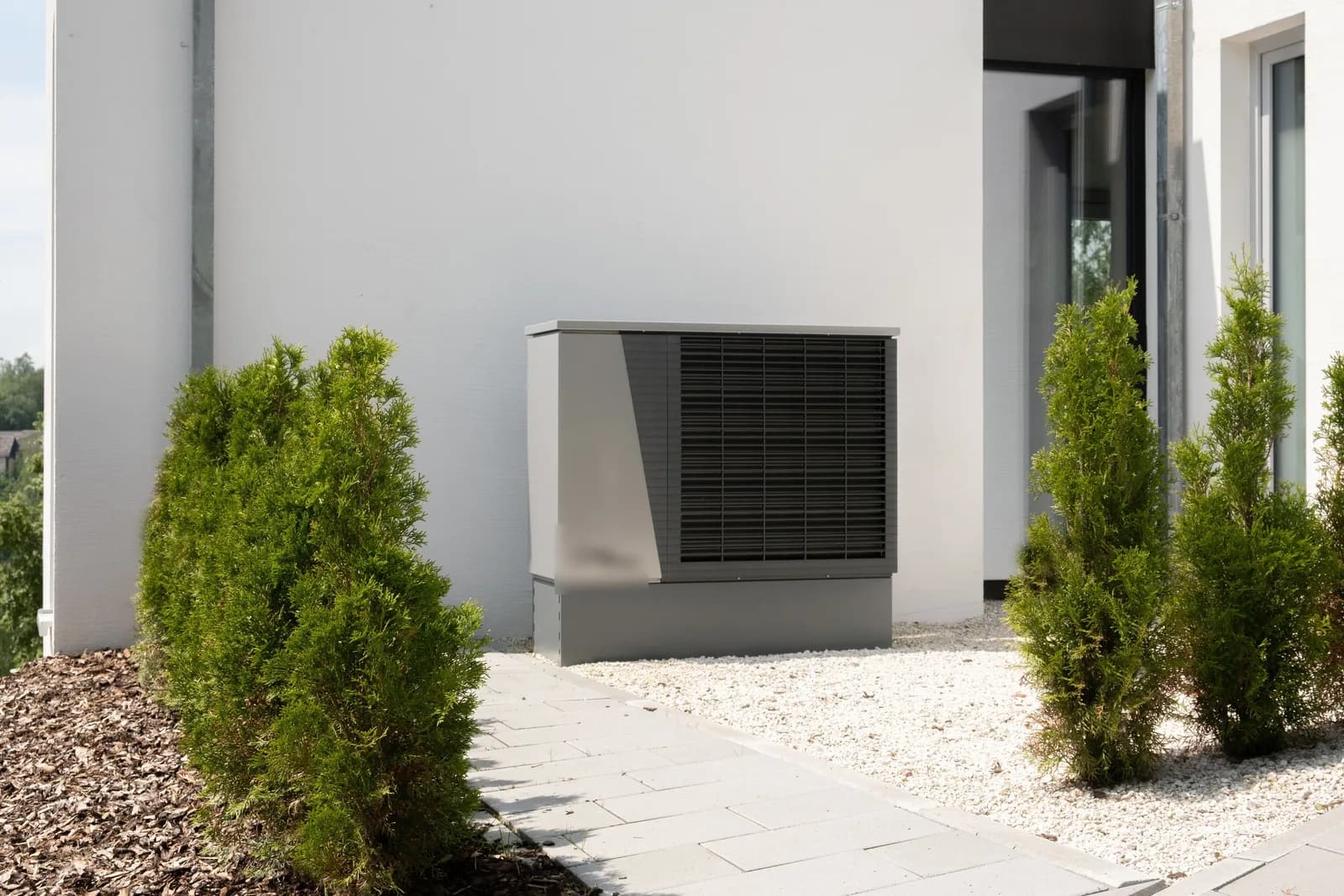
Furnace only makes sense when the ducts and furnace are both in good shape, the home has no interest in central air conditioning, and fuel cost is not pushing toward electrification. A pure heat pump replacement removes the furnace (or keeps it only as an emergency backup) and moves all normal heating and cooling to the heat pump. Efficiency Maine notes that many cold-climate heat pump models keep producing heat down to –22°F or lower, and Maine customers have reported them running as the only heat source through wind chills near –49°F — but that depends on correctly sizing the equipment to the house, not just picking a model off a spec sheet.
Dual fuel sits between the two: a heat pump does most of the heating and cooling, and the furnace switches on automatically only below a set outdoor temperature or during a cold snap, when the furnace can recover the house faster or when electricity is pricier per unit of heat than the fuel already in the tank. The one setup detail that matters in any combined system: Efficiency Maine warns that where a heat pump and another heating system are controlled by separate thermostats, poor placement can let one system's thermostat block the other from running — not a concern with a heat pump running alone, but worth getting right in a dual-fuel design.
We price furnace-only, heat-pump-only, and dual-fuel options side by side for a given house before any equipment is ordered, so the decision is based on real numbers for that home rather than a general rule of thumb.
Sources: 10 CFR 430.32 — Energy conservation standards (furnace AFUE minimums), Cornell Law School Legal Information Institute · ENERGY STAR — Furnaces product page (regional efficiency savings by fuel type) · Efficiency Maine — Heat Pumps (cold-climate performance, dual-system thermostat guidance) · Wikipedia — Furnace (central heating): staging (single-stage, two-stage, modulating) and fuel types
Furnace Repair & Installation FAQs
My furnace runs but blows cool air — what is wrong?
The usual causes are a dirty filter tripping the high-limit switch, a failed igniter or flame sensor, or a cracked heat exchanger. The last one is a safety issue: if you also smell exhaust or your CO detector sounds, shut the furnace down and call us.
What does a furnace repair typically involve?
Common repairs include igniters, flame sensors, capacitors, and blower motors. We quote the repair price before we start, so you decide with the number in front of you.
How often should I change the furnace filter?
Every one to three months during heating season — monthly if you have pets or a dusty environment. A clogged filter is one of the most common causes of no-heat calls.
Is a heat pump better than a new furnace?
For many homes with ductwork, a ducted cold-climate heat pump can heat efficiently and adds air conditioning. Natural-gas customers often keep a furnace or pair one with a heat pump. We give you both options and the operating-cost comparison.
More Ways We Can Help
Google ReviewsServices
30We provide complete HVAC and plumbing service, including…
Service Areas
9Our primary service areas are Augusta and Brunswick, along with…
Company
5Connect with our team via…
Get a Quote
Request Service
Fill out the form below to request an estimate or schedule service.
“*” indicates required fields
Need it today?Call (207) 902-8899