




AC Repair
Mini-Split, Heat Pump & Central AC · Diagnosed on the First Visit · Price Before We Start
Our Approach to AC Repair
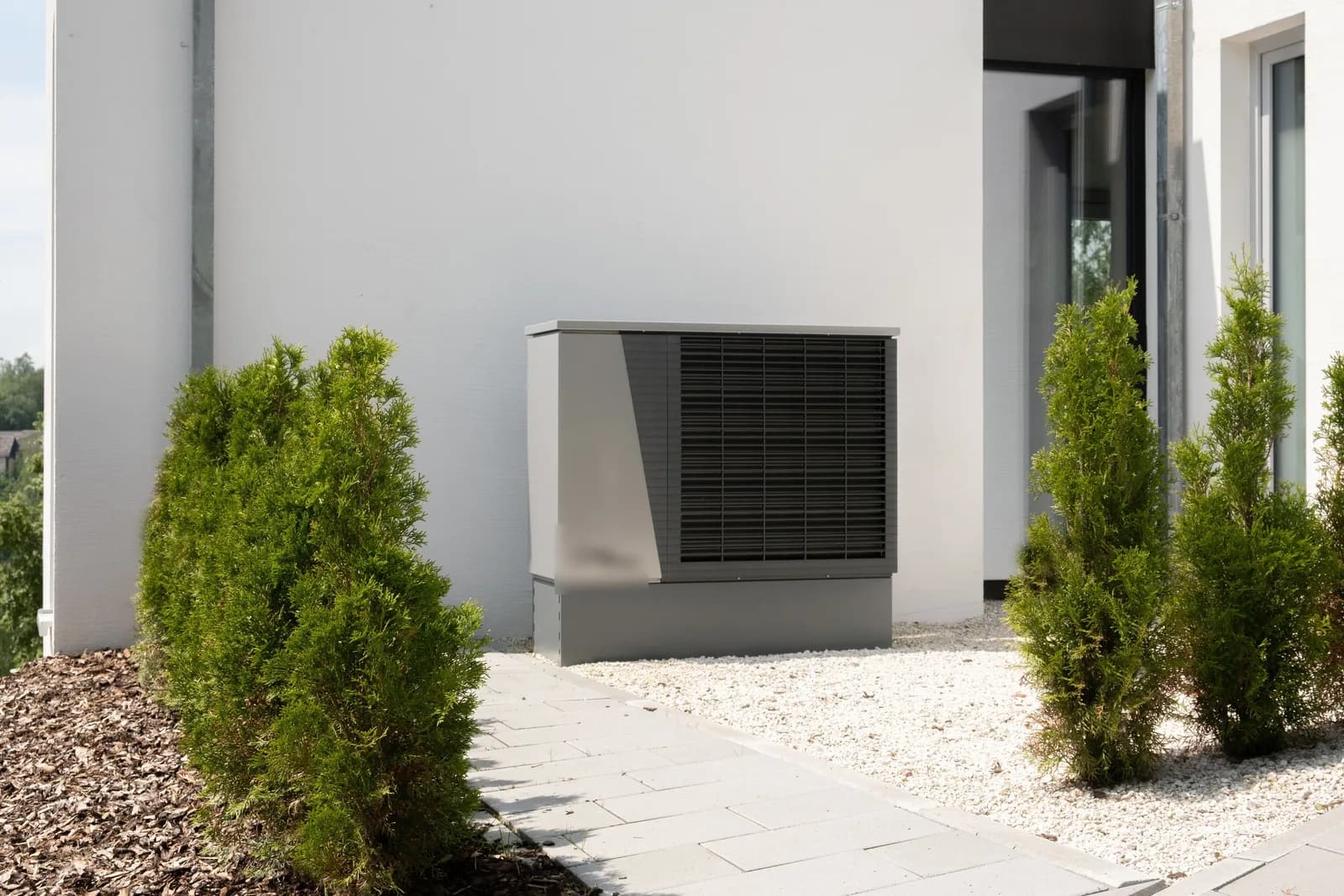
How Central Air Conditioning Works
- Condenser — outside, rejects heat picked up indoors
- Compressor — pressurizes the refrigerant gas
- Evaporator coil — at the furnace, absorbs heat from indoor air
- Blower — pushes air across the cold coil
- Cool air — delivered through the ducts
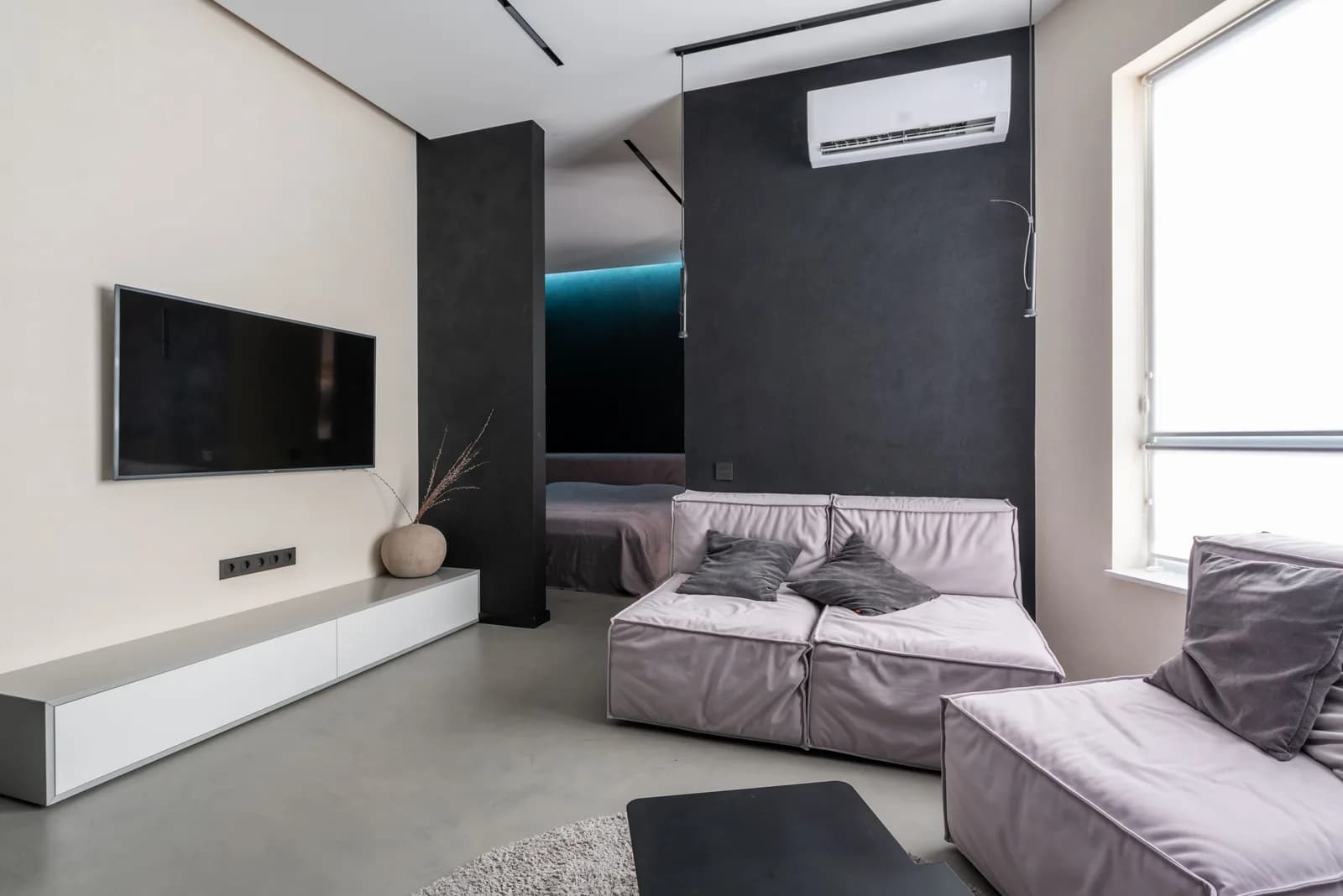
When the cooling quits during a heat wave, you need a technician who diagnoses on the first visit and quotes before starting. J&R Mechanical Services repairs ductless mini-splits, heat pumps in cooling mode, and central air.
Most residential cooling is a ductless mini-split or a heat pump in cooling mode, and failures follow a pattern: a weak capacitor, a clogged condensate drain, a dirty coil, a tripped breaker, or a slow refrigerant leak.
We service every major brand, plus conventional central air condensers paired with a furnace. Our vans carry capacitors, contactors, condensate pumps, and common sensors, so most repairs finish in one visit.
If the unit is old, runs on phased-out refrigerant, or needs a compressor, we show you the numbers on replacement.
Call (207) 902-8899, tell us what the unit is doing, and we will help you understand what it needs. Regular maintenance prevents most of these calls.
Why Is My Mini-Split Blowing Warm Air?
Warm air in cool mode usually means one of four things: the remote is on heat or fan mode, the outdoor unit lost power, the outdoor coil is choked with pollen and debris, or the refrigerant charge is low.
Check the mode and the breaker first — they solve a surprising share of calls. Anything beyond that needs gauges and a trained technician; adding refrigerant without finding the leak buys a few weeks and costs you the same repair twice.
Why Is Water Dripping From My Indoor Unit?
Every cooling system pulls moisture out of humid air, and it has to drain somewhere. A condensate line clogged with algae, a failed condensate pump, or an indoor head knocked off level sends that water down your wall.
Shut the unit off to stop the dripping, then call. Clearing the line and flushing the drain pan is a quick repair; leaving it running risks stained drywall and a mold problem behind the head.
Repair or Replace: When Does a New System Make More Sense?
Age, refrigerant type, and repair history decide it. An old unit on phased-out refrigerant, a system that has needed refrigerant two summers running, or a compressor failure on an out-of-warranty unit all point toward replacement.
A newer system with one failed part is almost always worth fixing. We give you both numbers — repair and replacement — and explain what each means for your energy bill and winter heating, since most of these systems heat too.
What Should I Do Before the Technician Arrives?
Confirm the breaker is on, set the remote to cool with the fan on auto, and clear anything stacked around the outdoor unit. Rinse visible debris off the outdoor coil with a garden hose — never a pressure washer.
Note when the problem started, whether it happens all day or only in afternoon heat, and any error code on the indoor head. Those three details often cut the diagnosis time in half.
AC Not Working? Symptoms, Likely Causes, and What You Can Check
Most residential cooling problems fall into a handful of patterns, and knowing which one you're looking at helps you understand what a technician is likely to find — and which few things are safe to check yourself before that visit.
This guide covers common symptoms and their likely causes, what a homeowner can safely check without opening the sealed refrigerant system, how the ongoing R-410A phase-down affects the repair-or-replace decision on an older system, and what a couple of common thermostat displays and alerts are actually telling you.
Symptom to Likely Cause
These are the most common explanations, not a diagnosis. Several of them — low refrigerant, a failing capacitor, a compressor problem — need gauges, a meter, and training to confirm safely, since opening a sealed refrigerant system or working on a live compressor circuit is technician work, not a homeowner task.
| Symptom | Most likely cause(s) | Homeowner-checkable? |
|---|---|---|
| Blowing warm or room-temperature air | Thermostat set to heat/fan instead of cool; tripped breaker; dirty outdoor coil; low refrigerant charge | Mode and breaker: yes. Coil and refrigerant: no |
| Ice on the refrigerant line or indoor coil | Restricted airflow from a dirty filter or blocked vents; low refrigerant charge; a blower that's stopped moving air across the coil | Filter and vents: yes. Refrigerant and blower motor: no |
| Short cycling — on and off every few minutes | Oversized equipment; a failing capacitor; a dirty coil tripping the system's own safety limits; a thermostat sited near a heat source | Thermostat location: yes. Capacitor and coil: no |
| Water leaking from the indoor unit | Clogged condensate drain line or algae in the drain pan; a full or failed condensate pump; an indoor unit that's come off level | Visual check for a full/overflowing pan: yes. Clearing the line: no |
| Breaker trips when the system starts | Failing start/run capacitor; a compressor drawing excess current on startup; a worn breaker or an overloaded shared circuit | Confirm it's not a shared-circuit overload: yes. Diagnosing the capacitor/compressor: no |
What You Can Safely Check Before Calling
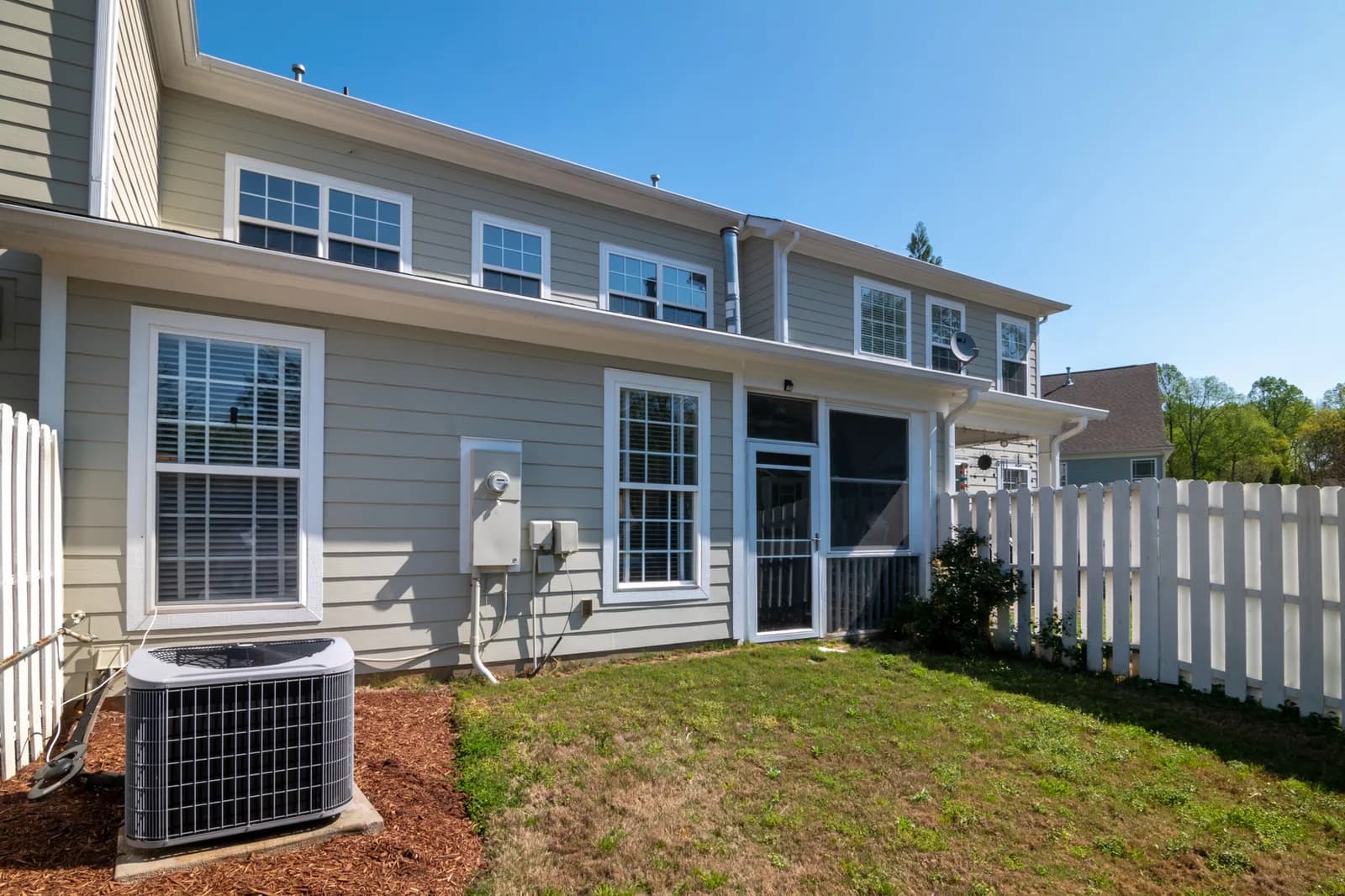
- Filter: a dirty filter restricts airflow across the indoor coil, a common cause of both warm air and ice buildup. ENERGY STAR recommends checking it monthly during cooling season and cleaning or replacing it once it's visibly dirty.
- Breaker: confirm the outdoor unit's breaker hasn't tripped and isn't sharing an overloaded circuit with other equipment. Don't reset a tripped breaker more than once — repeated resets can stress a failing compressor further.
- Thermostat: confirm it's set to cool with the fan on auto, and check batteries if it uses them. A thermostat mounted near a lamp, a sunny window, or a supply vent can read the room wrong and cause short cycling that has nothing to do with the outdoor unit.
- Condensate: look at the drain pan and line for standing water or visible overflow, and shut the system off if you see it. Clearing an algae-clogged line or replacing a failed condensate pump is a quick professional fix; running the system while it's overflowing risks drywall and mold damage.
Never rinse or spray water into the outdoor unit's electrical compartment, and don't remove panels that expose the compressor or wiring. Those need the power locked out first.
How the R-410A Phase-Down Affects the Repair-or-Replace Call
R-410A is being phased down at the production level under the EPA's AIM Act rules, and new residential equipment sold since January 1, 2025 uses lower-global-warming-potential refrigerants like R-454B or R-32 instead. That doesn't make an existing R-410A system illegal or force a replacement — the EPA has confirmed homeowners can continue to repair an existing system, including swapping a major component like a compressor or condensing unit.
What it does change is the economics of an old system with a refrigerant leak. Refrigerant should never leave a sealed system on its own; if a unit is low, it has a leak somewhere, and topping it off without finding the leak means paying for the same refrigerant again next season. ENERGY STAR's general guidance points toward weighing replacement once a system is more than 10 years old and repairs are becoming frequent, or once energy bills are climbing along with the repair calls. On an R-410A system already in that position, it's worth factoring in that R-410A's supply chain will keep shrinking as the federal phase-down continues — a major repair on an older unit is a reasonable point to price out replacement rather than assume the same refrigerant stays cheap and available indefinitely.
What Your Thermostat Display Is Telling You
A thermostat can look like it's malfunctioning when it's actually protecting the equipment or simply waiting out a timer. Two widely installed brands illustrate the point.

Honeywell / Resideo
Honeywell's current smart thermostats (sold under parent company Resideo) depend on correct wiring and configuration at setup. Resideo's own installation guidance warns that improper wiring or configuration of a thermostat can cause the HVAC system to run in ways that weren't intended, so if a system won't respond to a call for cooling right after a new thermostat goes in, mismatched wiring or a configuration setting — not the outdoor unit — is one of the first things worth ruling out. Resideo publishes a wiring compatibility tool and model-specific manuals through its support site for exactly this kind of check.

ecobee
ecobee's thermostats include a feature the company calls Thermal Protect, which deliberately holds off on restarting the compressor for a short period to prevent excessive runtime and short-cycling. If the display shows the system delaying a cooling call by a few minutes rather than starting immediately, that's the protection feature working as designed, not a fault. ecobee thermostats also track filter life and send a change reminder, and can alert on an unexpected temperature or humidity swing in the house — worth checking on the app before assuming the equipment itself has failed.
If a thermostat shows a delay or countdown right after a call for cooling, that's typically compressor protection timing out, not an error. Give it a few minutes before assuming something's wrong.
Sources: ENERGY STAR — Heating & Cooling Maintenance Checklist · ENERGY STAR — When Is It Time to Replace? · EPA — Climate HFCs Reduction (AIM Act / Technology Transitions) · EPA — Regulatory Actions for Technology Transitions · EPA — Frequent Questions on the Phasedown of Hydrofluorocarbons · ecobee — Smart Thermostat Premium (Thermal Protect, alerts, filter reminders) · Resideo — Thermostat Support & Wiring Compatibility
Brand names and logos are trademarks of their respective owners, shown only to identify the equipment discussed. J&R Mechanical Services is an independent contractor and is not affiliated with or endorsed by these manufacturers.
Local & Independent
J&R Mechanical Services is an independent contractor — not a national franchise. Our technicians are not commissioned salespeople. We do the work you called us for, do it right, and earn the next call.
More Heat Pumps & Mini-Splits Services
Serving Augusta & Brunswick
AC Repair FAQs
Do you repair mini-splits and heat pumps, or only central air?
All three. Most residential cooling is a ductless mini-split or a heat pump in cooling mode, and those make up the majority of our repair calls. We also service conventional central air condensers paired with a furnace and air handler.
My AC is low on refrigerant — can you just top it up?
A sealed system should never lose refrigerant, so a low charge means a leak. We can add refrigerant to get you through a heat wave, but we will tell you it is temporary. Finding and repairing the leak is the real fix and avoids paying for the same refrigerant every summer.
Should I repair or replace my air conditioner?
Repair a newer system with a single failed part. Replace when the unit is old, uses phased-out refrigerant, needs a compressor out of warranty, or has needed refrigerant more than one season.
Why does my breaker trip when the AC starts?
Usually a failing capacitor or a compressor drawing too much current on startup — both create a surge the breaker reads as a fault. It can also be a worn breaker or a shared circuit. Stop resetting it repeatedly; each trip stresses the compressor. We diagnose which it is on the first visit.
Do I need a permit for AC repair?
No. Repairs and part replacements on an existing system typically do not require a permit. Replacing the outdoor unit or installing a new system does involve permitting and inspection, which we handle in-house.
More Ways We Can Help
Google ReviewsServices
30We handle the full range of home comfort work, including…
Service Areas
9Our primary service areas are Augusta and Brunswick, along with…
Company
5You can also visit…
Get a Quote
Request Service
Fill out the form below to request an estimate or schedule service.
“*” indicates required fields
Need it today?Call (207) 902-8899